
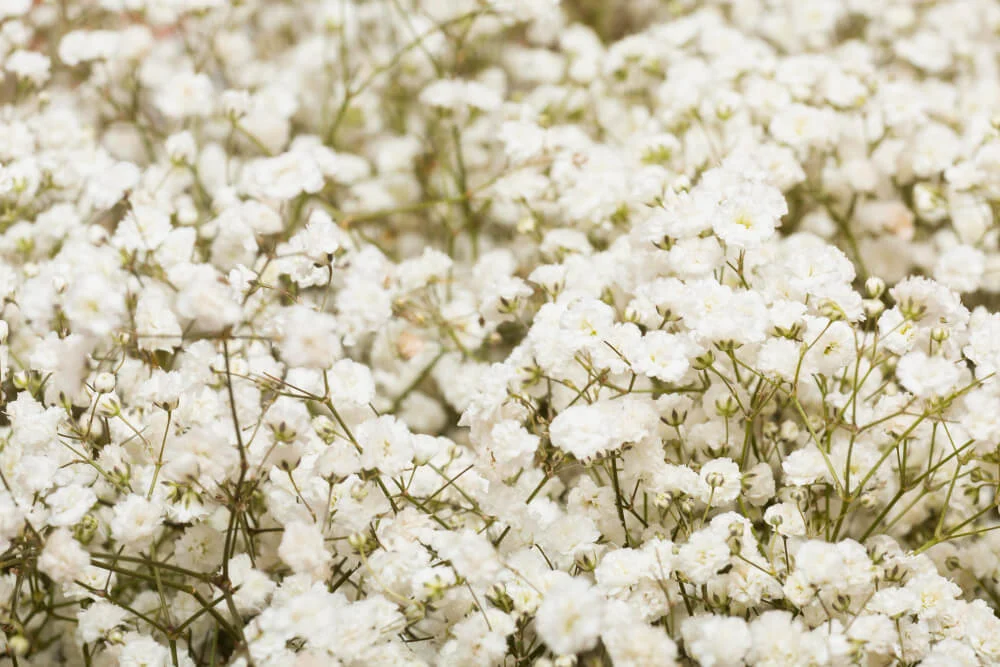
Flowers that start with B offer an impressive mix of textures, shapes, and colors, making them a fascinating group for gardeners, florists, and plant enthusiasts. From delicate woodland bloomers to bold tropical standouts, these flowers thrive across a wide range of habitats and bring something unique to any landscape. Whether you’re looking to add structure, color, fragrance, or wildlife appeal, exploring these B-named flowers opens the door to many beautiful and versatile planting possibilities.
Why These Flowers Are Worth Exploring
Flowers that begin with the letter B represent an unexpectedly diverse category, from drought-tolerant species to shade-loving perennials and exotic tropical blooms. Many of them are easy to grow, attract pollinators, and adapt well to different Garden styles whether naturalistic, cottage-inspired, or contemporary. Their wide color range and distinctive forms also make them excellent additions to bouquets, container gardens, and landscape focal points.
Bachelor’s Button
Bachelor’s Button is a classic wildflower celebrated for its bright blue, pink, or white blooms that bring a cheerful burst of color to any garden. It thrives in full sun and adapts easily to poor or dry soils, making it a favorite for meadow gardens and pollinator-friendly spaces. This hardy annual reseeds readily, creating a natural and effortless sweep of color year after year.
Balloon Flower
Balloon Flower gets its name from its unique inflated buds that resemble little balloons before they pop open into star-shaped blossoms. With shades of blue, white, and pink, this perennial prefers full sun to partial shade and well-drained soil. Its tidy growth habit and long bloom season make it an attractive addition to borders and rock gardens.
Begonia
Begonias are versatile flowering plants prized for their lush foliage and vibrant blooms that range from red to orange, pink, and white. Thriving in partial shade, these plants are ideal for containers, shaded patios, and indoor spaces. Their ability to bloom continuously throughout the warm months makes them a popular choice for gardeners seeking lasting color in lower-light areas.
Bellflower
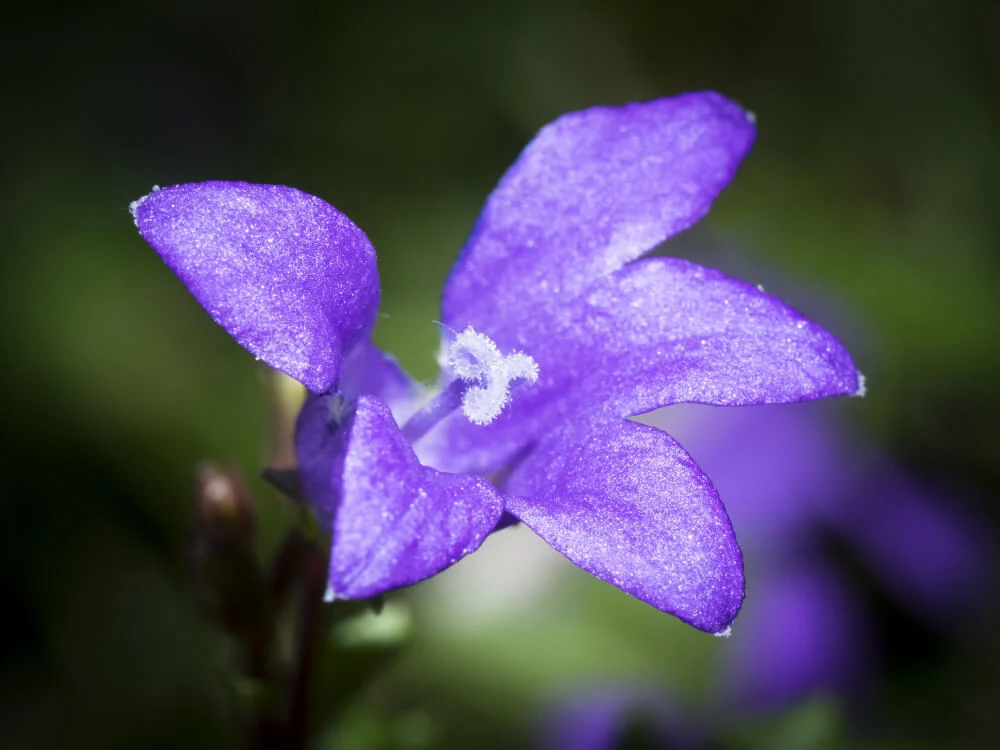
Bellflower features charming bell-shaped blossoms in shades of blue, purple, and white, adding a timeless cottage-garden feel to any landscape. It grows well in full sun to partial shade and prefers moist, well-drained soil. With both low-growing and tall varieties, Bellflower is suitable for rock gardens, borders, and cut-flower arrangements.
Bee Balm
Bee Balm is a vibrant flowering perennial known for its pom-pom-like blooms that attract bees, butterflies, and hummingbirds. The flowers come in shades of red, pink, purple, and white, while its aromatic foliage adds extra garden interest. It thrives in sunny spots with rich, moist soil and spreads easily, making it a favorite for pollinator gardens.
Bird of Paradise
Bird of Paradise stands out with its dramatic, tropical flowers that resemble a bird in flight. This plant thrives in warm climates with plenty of sunlight and well-drained soil. With its bold orange and blue blooms, it brings an exotic touch to landscapes and serves as a striking focal point in garden beds or large containers.
Black-eyed Susan
Black-eyed Susan is a hardy perennial known for its bright yellow petals surrounding a dark central cone. It thrives in full sun and tolerates a variety of soil types, making it easy to grow in both wildflower meadows and structured garden beds. Its long blooming period and ability to attract pollinators make it a staple in many landscapes.
Bleeding Heart
Bleeding Heart is a romantic shade-loving perennial with heart-shaped blooms that dangle gracefully from arching stems. Usually seen in pink or white, this plant prefers cool, moist soil and thrives in woodland-style gardens. Its soft, cascading form adds texture and charm to shaded borders and springtime plantings.
Bluebell
Bluebells are enchanting spring bloomers known for their nodding, bell-shaped blue or purple flowers that carpet woodland floors. They prefer partial shade and moist, well-drained soil, creating a dreamy, natural look when planted in drifts. Their early-season blooms make them an excellent choice for bringing color to shaded garden areas.
Bluestar
Bluestar is a graceful perennial known for its clusters of star-shaped pale blue flowers that appear in late spring. It thrives in full sun to partial shade and prefers moist, well-drained soil. As the seasons change, its narrow foliage turns a warm golden color, adding multi-season interest to garden borders and naturalized plantings.
Blue-Eyed Grass
Blue-Eyed Grass is a charming wildflower that resembles grass but produces delicate, six-petaled blue to violet blooms with bright yellow centers. It grows naturally in meadows and open woodlands, favoring full sun and evenly moist soil. Its fine texture and dainty flowers make it a subtle yet captivating addition to cottage gardens and native plant landscapes.
Blue Fescue
Blue Fescue is an ornamental grass appreciated for its soft, mounded shape and distinctive blue-gray foliage. While it doesn’t produce showy flowers, its airy summer plumes add gentle movement and texture to the landscape. It thrives in full sun and well-drained soil, making it ideal for rock gardens and drought-tolerant plantings.
Blue Hibiscus
Blue Hibiscus is an evergreen shrub known for its large, velvety flowers in shades of lavender and blue. It thrives in warm climates with full sun and moderate watering, making it a vibrant focal point in garden beds or containers. Its long blooming period and tropical appeal bring a lush, inviting atmosphere to outdoor spaces.
Blue Mistflower
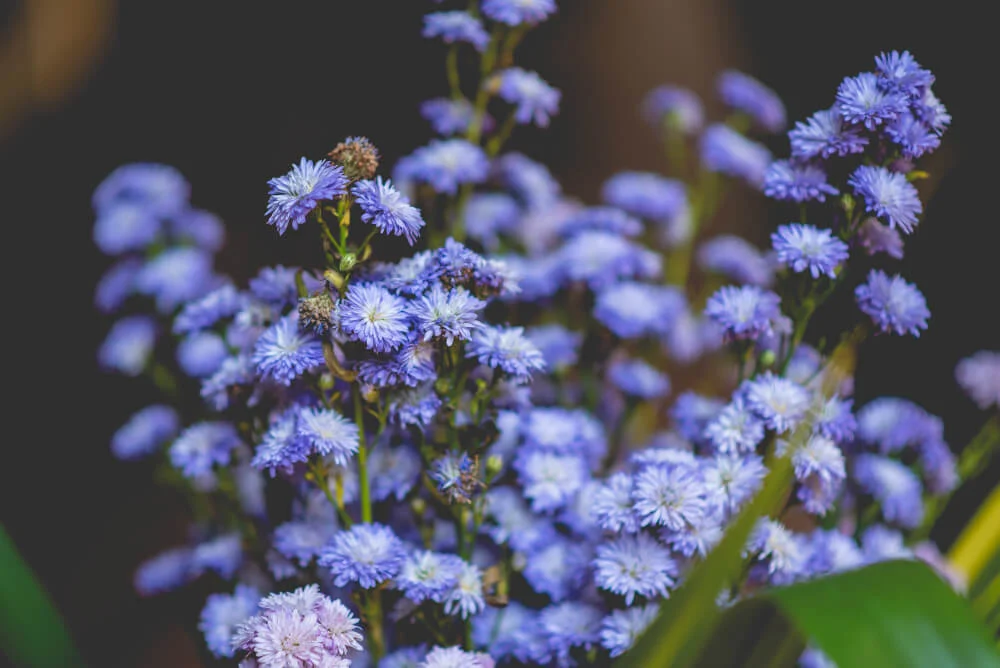
Blue Mistflower is a pollinator magnet that produces soft, fluffy clusters of blue or lavender blooms in late summer and fall. It naturally thrives in sunny meadows, stream edges, and open fields, preferring moist, well-drained soil. Its haze-like blooms add a relaxed, natural look to wildflower gardens and butterfly habitats.
Blue Orchid
Blue Orchid refers to several orchid varieties that display blue or bluish-lavender tones, prized for their exotic and striking appearance. These orchids thrive in warm, humid environments with bright, indirect light. Their intricate blooms and long-lasting flowers make them a standout choice for indoor plant collections and decorative arrangements.
Blue Sage
Blue Sage is a drought-tolerant perennial that produces tall spikes of deep blue or violet flowers loved by bees and hummingbirds. It thrives in hot, dry climates and well-drained soil, making it a dependable choice for xeric landscapes or low-maintenance gardens. Its vertical form and vivid color add structure and vibrancy.
Blue Throatwort
Blue Throatwort is a clump-forming perennial that bears clusters of small, starry blue flowers throughout summer. It prefers partial shade and moist, rich soil, thriving especially well in woodland gardens and shaded borders. Its soft color and elegant habit make it a quiet but beautiful addition to shaded landscapes.
Borage
Borage is an annual herb distinguished by its star-shaped blue flowers and fuzzy, silver-green stems. It grows easily in full sun and well-drained soil, often self-seeding for future seasons. Its edible blooms and strong pollinator attraction make it a favorite in vegetable gardens, cottage plantings, and pollinator-focused landscapes.
Bougainvillea
Bougainvillea is a vibrant climbing plant known for its papery bracts that come in brilliant shades of magenta, red, orange, white, and purple. It thrives in full sun and warm, dry climates, making it an iconic choice for tropical and Mediterranean-style landscapes. Its vigorous growth and unmatched color make it ideal for walls, trellises, and large containers.
Bowman’s Root
Bowman’s Root is a delicate perennial known for its airy clusters of star-like white flowers that sway gracefully in the breeze. It thrives in woodland edges and partially shaded gardens, preferring moist, well-drained soil. Its fine texture and natural movement make it ideal for softening borders and adding an understated elegance.
Bracteantha
Bracteantha, often called a strawflower, is prized for its papery, long-lasting blooms that retain their form even when dried. It grows best in sunny, warm environments with well-drained soil, making it a reliable choice for summer gardens. Its bright colors, ranging from yellow and orange to pink and red, bring cheerful energy to beds and containers.
Bristly Hollyhock
Bristly Hollyhock is a tall, stately plant recognized for its upright spikes of large, open-faced flowers. Native to prairies and open fields, it thrives in full sun and fertile, well-drained soil. Its blossoms appear in shades of pink, purple, and white, creating an old-fashioned charm that suits cottage gardens beautifully.
Bromeliad
Bromeliads are tropical plants celebrated for their striking rosettes of foliage and long-lasting, architecturally bold flower spikes. They naturally grow in rainforests, mounting themselves on tree trunks where humidity and filtered light support their growth. Colors vary widely, from bright reds and oranges to pinks, greens, and bi-colored patterns that create a bold tropical feel.
Brodiaea
Brodiaea is a bulbous plant that produces clusters of bell-shaped purple or blue flowers in late spring to early summer. It thrives in grasslands and foothill meadows, preferring dry conditions during dormancy and well-drained soil. Its slender stems and soft hues give it a light, graceful presence in naturalized plantings.
Browallia
Browallia is a tender annual known for its small, star-shaped flowers that appear in shades of blue, violet, and white. It thrives in warm but partially shaded habitats, especially in rich, consistently moist soil. Its compact size and soft coloring make it ideal for containers, window boxes, and shaded garden beds.
Brunfelsia
Brunfelsia, often called yesterday-today-and-tomorrow, is loved for its unique flowers that change color over several days, shifting from deep purple to lavender and finally white. It grows naturally in tropical forests with partial shade and consistent moisture. Its slow color transition adds a captivating, ever-changing element to garden spaces.
Buddleia
Buddleia, or butterfly bush, is famous for its elongated clusters of nectar-rich flowers that attract butterflies, bees, and hummingbirds. It thrives in sunny, open habitats and adapts well to poor or rocky soil. Flower colors range from purple and pink to white and even yellow, offering long-season color and wildlife appeal.
Bugleweed
Bugleweed is a low-growing ground cover known for its glossy leaves and dense spikes of blue, violet, or occasionally pink flowers. It naturally thrives in forest floors and partially shaded areas with moist soil. Its spreading habit makes it ideal for filling gaps, suppressing weeds, and adding early-season color.
Burning Bush
Burning Bush is a deciduous shrub best known for its brilliant red fall foliage, though it also produces small, inconspicuous flowers in spring. It grows well in full sun to partial shade and adapts to a variety of soils. Its striking autumn color makes it a standout in landscape designs, adding bold seasonal contrast.
Burdock
Burdock is a robust biennial plant known for its thistle-like purple flowers and large, heart-shaped leaves. It naturally grows in meadows, roadsides, and disturbed soils, thriving in full sun and moist, fertile ground. Its spiky burrs are easily recognizable, while its blooms add soft color to wild, naturalized landscapes.
Buttercup
Buttercup is a cheerful wildflower recognized for its glossy yellow petals that reflect sunlight beautifully. It thrives in meadows, woodland edges, and moist grassy fields, preferring full sun to partial shade. Its bright blooms appear in spring and early summer, adding a simple yet charming touch to natural settings.
Butterfly Flower
Butterfly Flower, often referring to various Asclepias species, is celebrated for its vibrant, nectar-rich blooms that draw butterflies and bees. It thrives in open prairies and sunny meadows with well-drained soil. Colors range from orange and red to yellow and pink, creating lively displays in wildlife-friendly gardens.
Butterfly Weed
Butterfly Weed is a drought-tolerant perennial known for its vivid orange flower clusters that attract monarch butterflies. It naturally grows in dry prairies, open fields, and sandy soils, thriving in full sun and heat. Its bright coloring and upright form make it a striking addition to pollinator gardens.
Babies Breath
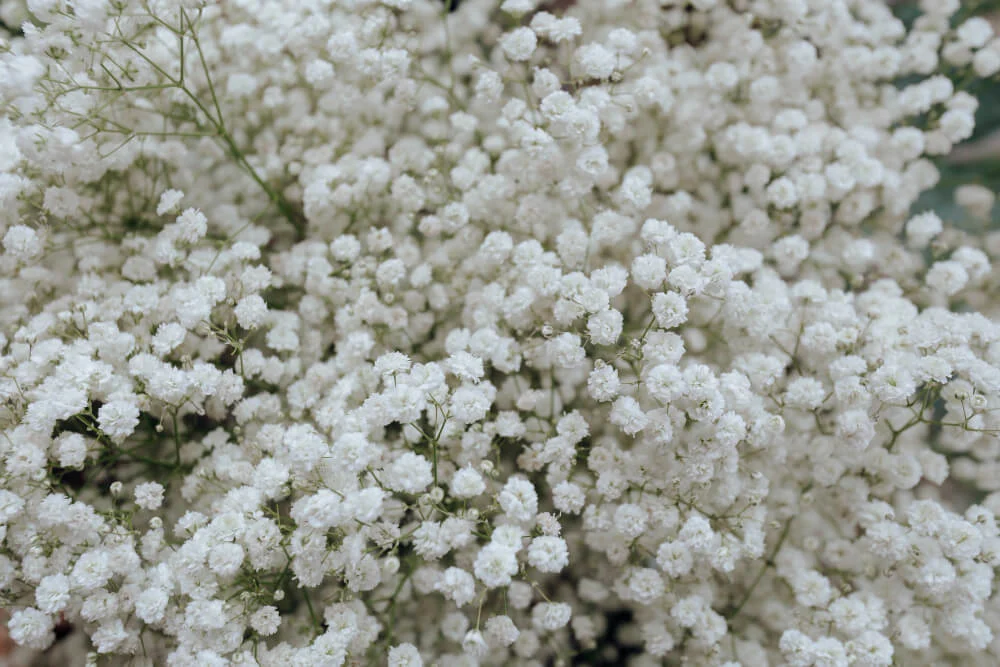
Baby’s Breath is a delicate plant prized for its airy sprays of tiny white or pink flowers, often used in bouquets and soft garden borders. It grows naturally in dry meadows and rocky slopes, preferring full sun and well-drained, alkaline soil. Its cloud-like texture adds a romantic, ethereal quality to plantings.
Bachelor’s Button
Bachelor’s Button, also known as cornflower, is an easy-growing annual producing charming, fringed flowers in shades of blue, pink, white, and purple. It thrives in open fields and sunny garden beds, tolerating poor soils and dry conditions. Its classic blue form remains especially popular for cottage-inspired and wildflower-style gardens.
Ball Cactus
Ball Cactus is a distinctive desert plant that produces round, ribbed stems topped by silky, brightly colored flowers. It thrives in arid habitats with intense sunlight and sandy, fast-draining soils. Its blooms can range from yellow and orange to pink and red, offering surprising bursts of color in dry environments.
Balloon Flower
Balloon Flower is named for its puffy, balloon-like buds that open into star-shaped blue, pink, or white flowers. It naturally grows in grasslands and rocky slopes, preferring full sun to partial shade and well-drained soil. Its long-lasting blooms and tidy form make it a favorite for summer borders.
Balsam
Balsam is a vibrant annual that features soft stems and lush, rose-like flowers in shades of pink, red, purple, and white. Native to humid, forested regions of Asia, it thrives in partial shade and moist, rich soil. Its bright, generous blooms bring a lively, old-fashioned charm to shaded gardens.
Baneberry
Baneberry is a woodland perennial recognized for its fluffy white spring flowers and striking, glossy berries that appear later in the season. It naturally grows in cool, shaded forests with moist, humus-rich soil. Its elegant foliage and seasonal interest make it well suited for woodland gardens, though its berries are toxic and should not be consumed.
Banksia
Banksia is an iconic Australian native known for its cylindrical or cone-shaped flower spikes composed of hundreds of small blooms. It naturally thrives in sandy coastal soils, open woodlands, and scrublands where sun and excellent drainage are abundant. Its colors range from yellow and orange to red and even green, adding bold, sculptural interest to landscapes.
Barberry
Barberry is a hardy shrub with small, bright flowers that appear in spring, though it’s often grown more for its colorful foliage. It thrives in open woodlands and sunny slopes, adapting well to poor or rocky soils. Its flowers are typically yellow, while its foliage may shift from green to deep red, adding year-round visual appeal.
Barleria
Barleria is a warm-climate shrub known for its funnel-shaped flowers that bloom in vivid shades of purple, yellow, white, or blue. It grows naturally in tropical and subtropical regions, often thriving in full sun and moderately moist soil. Its lush appearance and long blooming cycle make it a vibrant choice for warm-weather gardens.
Basil Flower
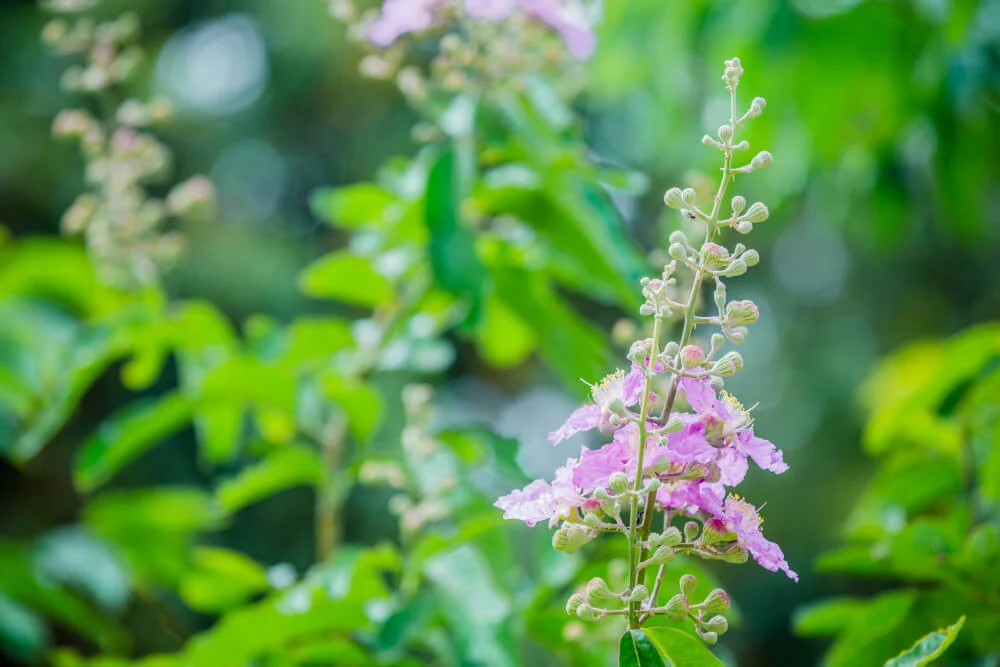
Basil Flower emerges when basil plants mature, producing small white or purple blossoms that attract bees and beneficial insects. It naturally thrives in warm, sunny environments with well-drained soil. While the plant is grown primarily for leaves, the flowers add soft beauty and a gentle fragrance to herb gardens.
Basketflower
Basketflower resembles a thistle without the prickles, offering large, fringed flowers in shades of lavender and purple. It grows wild in prairies, open fields, and roadsides, thriving in full sun and dry to moderately moist soil. Its lightweight, airy blooms attract pollinators and blend beautifully into natural meadow plantings.
Bay Laurel Flower
Bay Laurel produces small, yellow-green flowers that may be subtle but contribute to the plant’s aromatic appeal. It naturally grows in Mediterranean climates with hot, dry summers and mild winters. Its understated blooms contrast with its glossy foliage, making it a refined addition to herb gardens and ornamental landscapes.
Beardtongue
Beardtongue is a dependable perennial known for its tubular flowers that come in shades of pink, purple, red, or white. It thrives in dry, rocky habitats and open prairies, preferring full sun and well-drained soil. Its upright spikes attract hummingbirds and add vertical interest to drought-tolerant gardens.
Beauty Bush
Beauty Bush is a graceful shrub that produces arching branches covered in soft pink, bell-shaped flowers during late spring. It naturally thrives in sunny woodland edges and well-drained soil. Its abundant blooms create a cascading, romantic effect that makes it a standout in ornamental landscapes.
Bee Balm
Bee Balm is an aromatic perennial with tufted, firework-like flowers in shades of red, pink, purple, and white. It grows naturally in moist meadows and along stream banks, preferring full sun and rich soil. Its nectar-rich blooms attract bees, butterflies, and hummingbirds, making it a staple in pollinator gardens.
Exploring flowers that start with B reveals just how wide and diverse the plant world can be. These blooms bring color, character, and ecological value to gardens and indoor spaces, whether you’re drawn to the vibrant shapes of Bird of Paradise or the soft elegance of Bluebell. With so many unique varieties available, there’s always a B flower that can elevate your landscape or floral designs.
What is the most popular flower that starts with B?
Some of the most popular include Baby’s Breath for floral arrangements, Begonias for shade gardens, and Bird of Paradise for its dramatic tropical shape.
Which B flowers are the easiest to grow for beginners?
Baby’s Breath, Bachelor’s Button, Bee Balm, and Black-eyed Susan are beginner-friendly and thrive with minimal care.
Are there B flowers that attract pollinators?
Yes. Bee Balm, Butterfly Bush, Borage, and Bluebeard are excellent for attracting bees, hummingbirds, and butterflies.
Which B flowers grow well in shade?
Begonia, Bellflower, and Bleeding Heart are ideal choices for shaded or partially shaded areas.
