
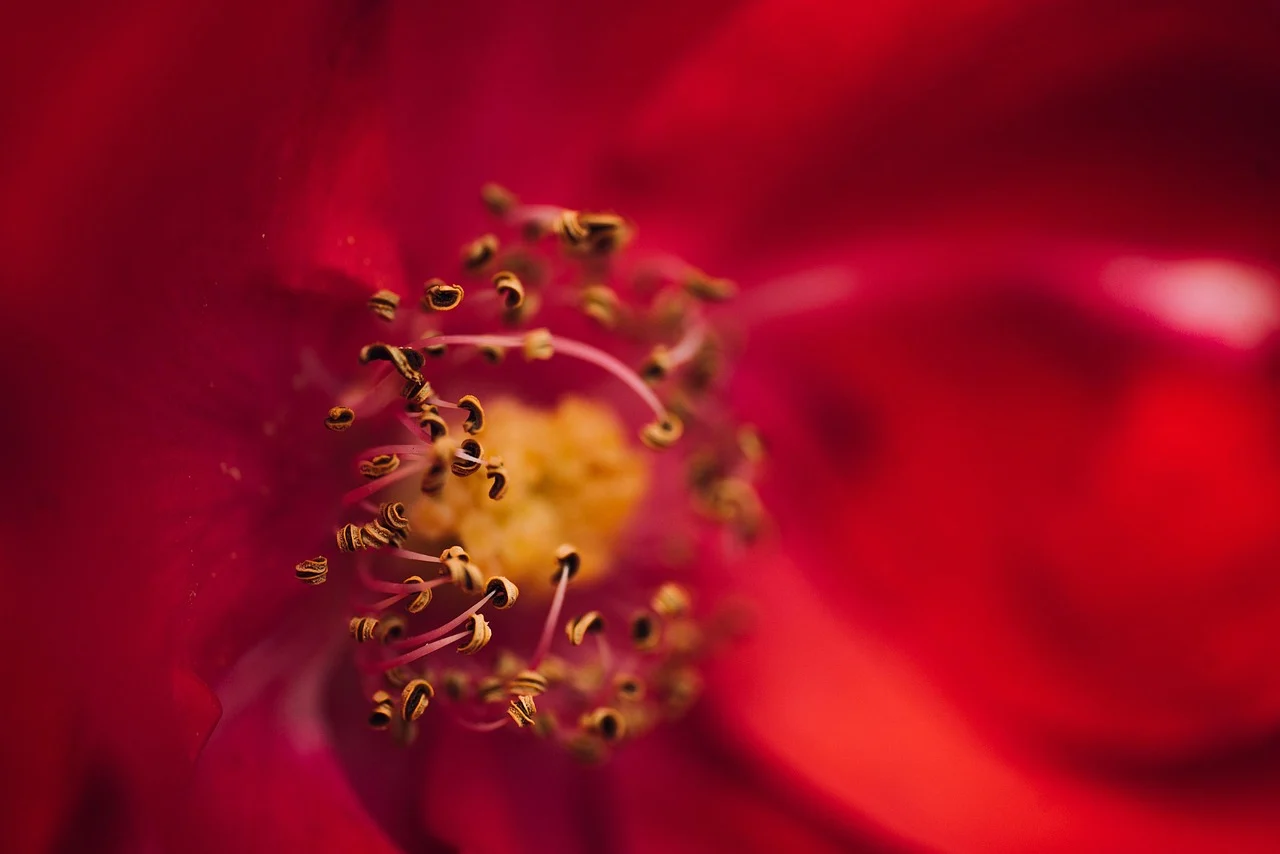
Have you ever looked closely at a bloom and wondered what is the middle of a flower called? Many gardeners struggle to identify specific parts when trying to propagate plants successfully in their home landscapes. Knowing the precise terminology helps you understand how the plant reproduces over time through complex biological processes. This foundational knowledge forms the basis for mastering advanced horticultural techniques effectively without guessing.
Accurate identification allows you to communicate clearly with other enthusiasts who share similar interests in botany. You will find that understanding these structures makes selecting the right fertilizer much easier for your crops. Additionally, recognizing reproductive organs helps prevent accidental hybridization when saving seeds from season to season. These practical benefits extend far beyond simple curiosity about plant biology and growth patterns.
What Is the Middle of a Flower Called Specifically?
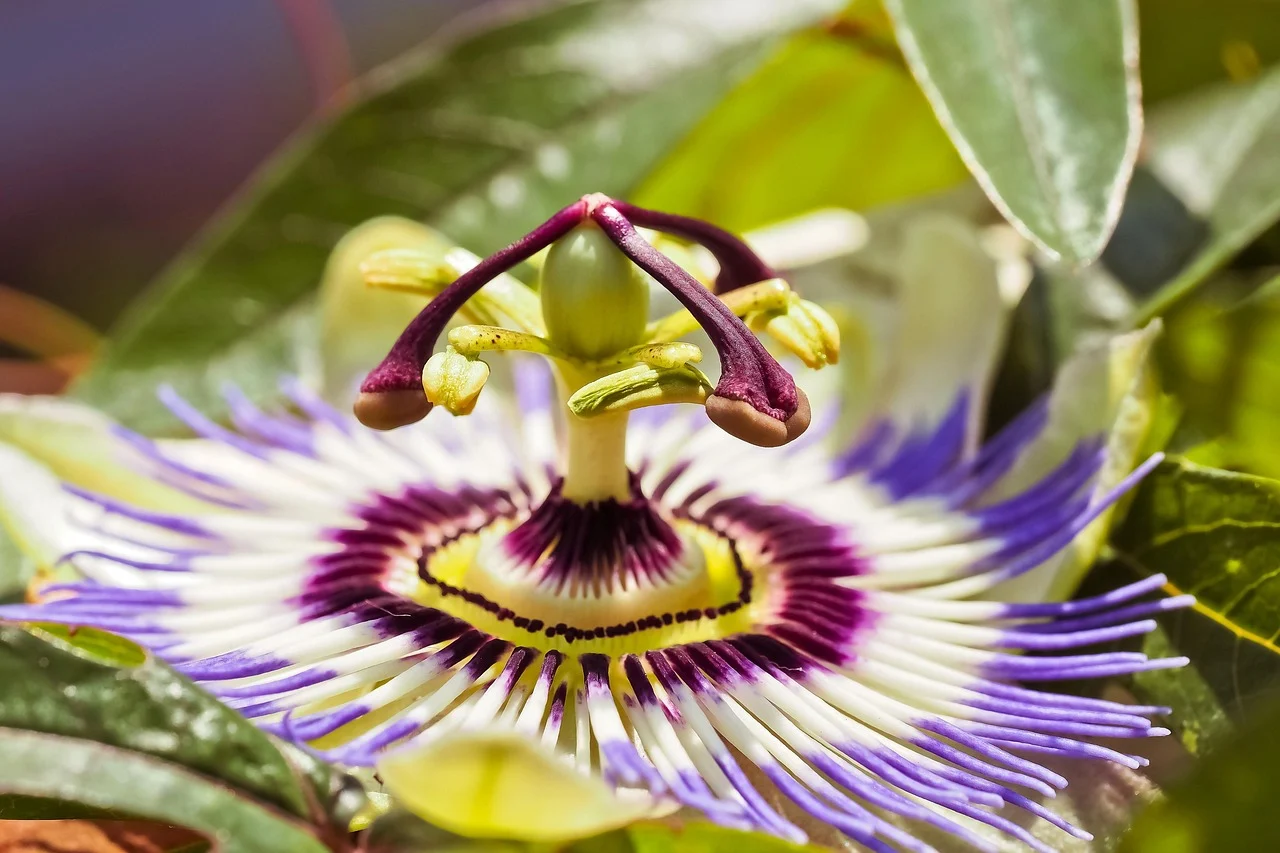
It is absolutely essential to distinguish between the female and male components accurately to avoid any confusion regarding the reproductive roles. The pistil sits in the absolute center and acts as the primary female organ system within the bloom. Conversely, the stamens surround this core and function as the male counterparts that produce pollen grains. This clear distinction clarifies exactly how fertilization occurs naturally in various plant species worldwide.
Every part of the central structure serves a specific purpose during the reproductive cycle of the plant. The stigma acts as a landing pad for incoming pollen carried by insects or wind currents. The style provides a pathway for the pollen tube to reach the ovary deep below. Finally, the ovary holds the potential seeds until they are ready to grow.
Some Flowers might appear different because the pistil varies significantly across different botanical families and orders. In certain cases, multiple pistils fuse together to form a complex gynoeceum structure instead of a single unit. Other species may lack distinct petals entirely to focus all available energy on seed production mechanisms. Recognizing these variations helps you classify plants into their correct botanical groups with greater ease.
Breaking Down the Pistil Structure
Each section of the pistil has a unique role in the fertilization process. The stigma catches pollen grains from visiting insects or wind currents effectively. The style connects the stigma to the ovary located at the base. Finally, the ovary holds the potential seeds until they are ready to grow.
Why Floral Anatomy Matters for Gardeners
Understanding these specific terms improves your ability to cross-breed specific plant varieties intentionally for desired traits. You can manually transfer pollen when natural pollinators are scarce during bad weather conditions outside. This knowledge prevents confusion when reading seed packets or planting guides that use technical language carefully. Accurate identification ensures you provide the right nutrients for blooming stages without wasting resources.
Gardening becomes more rewarding when you understand the underlying science behind the beautiful colors you see daily. Knowing the anatomy helps you predict when a flower will set fruit after successful pollination events. It also allows you to prune correctly to encourage more robust flowering in subsequent seasons. This level of insight separates casual hobbyists from dedicated cultivators who achieve consistent results yearly.
Proper care relies heavily on knowing which parts of the plant require water versus sunlight exposure. If you damage the delicate pistil accidentally, you risk losing the potential crop for that year completely. Being gentle around the center ensures maximum yield and healthy development throughout the growing period. Protecting these sensitive areas guarantees that your efforts result in viable seeds for future planting seasons.
Variations Across Different Plant Families
Not every flower follows the exact same structural layout throughout its entire life cycle process. Some species feature multiple pistils fused together into a compound structure resembling a single column. Others may lack distinct petals entirely to focus energy on seed production and dispersal methods. Recognizing these variations helps you classify plants into their correct botanical groups easily and efficiently.
Grasses and cereals present a unique challenge because their reproductive parts are hidden inside the florets. You must look closely at the spikelets to locate the stamens and pistils within the husks. This adaptation protects the reproductive organs from harsh environmental conditions while still allowing wind pollination. Understanding these hidden structures expands your ability to identify food sources in agricultural settings globally.
Trees often display their reproductive centers differently compared to herbaceous plants found in garden beds. Male flowers hang loosely from branches to release pollen into the air currents freely. Female flowers remain attached securely to support the developing nuts or fruits until maturity. Observing these seasonal changes teaches you about the resilience required for tree survival in nature.
Common Misconceptions About Flower Centers
People often mistake petals for the reproductive parts due to their bright and showy colors. Petals actually serve to attract pollinators rather than produce seeds themselves within the plant body. Another error involves confusing the anther with the stigma visually due to their proximity. Distinguishing these parts requires looking at their texture and position relative to each other carefully.
Some observers assume that the yellow dust seen on insects represents the most important part of the bloom. While pollen is vital, the female receiving end is equally critical for initiating the fertilization process. Ignoring the stigma leads to failed attempts at manual breeding projects in controlled environments. Balancing attention between male and female organs ensures successful propagation outcomes for any gardener.
Misidentifying the center can lead to incorrect watering schedules that harm the root systems unnecessarily. Overwatering can rot the tender tissues located in the base of the reproductive column quickly. Proper drainage is essential to maintain health in these vulnerable areas during heavy rain events. Adjusting your maintenance routine based on structural awareness prevents unnecessary loss of valuable plant specimens.
How Pollination Works Within the Center
Successful reproduction begins when pollen reaches the sticky surface of the stigma waiting to receive it. A tube then grows down the style to deliver sperm cells to the ovary deep inside. This journey results in fertilization and the eventual development of fruit or seeds for dispersal. Without this internal mechanism, most flowering plants could not continue their life cycle effectively.
Wind and animal agents play crucial roles in moving the microscopic particles to the receptive surfaces. Bees and butterflies carry the sticky grains on their bodies from one plant to another reliably. Birds and bats also assist in transferring pollen for specific tropical species that rely on size. These interactions highlight the intricate relationships between flora and fauna in any ecosystem.
Self-pollination occurs when the pollen lands on the stigma of the same flower without external help. Cross-pollination requires movement between different individuals to maintain genetic diversity within the population group. Farmers often manage these processes to ensure uniformity in crops like corn or tomatoes grown commercially. Controlling the flow of genetic material allows breeders to select for desirable traits consistently over generations.
Visual Identification Tips for Beginners
Use a magnifying glass to inspect the tiny structures near the flower base for better clarity. Look for the color differences between the male and female reproductive organs clearly under light. Notice if the center is hollow or solid when you examine the stem connection points. These visual cues allow you to determine the flower type quickly without specialized tools nearby.
Photographing the bloom from above provides a top-down view of the arrangement of petals and organs. Zooming in helps reveal the hair-like textures on the stigma that trap pollen efficiently. Comparing images online allows you to verify your observations against verified botanical databases and references. This method builds confidence in your ability to identify species in the wild independently.
Creating a sketch of the flower encourages you to notice details you might miss otherwise during a glance. Drawing forces you to label each part correctly to reinforce your memory of the structure names. Keeping a journal of your findings tracks progress in learning botanical terminology over several months. Consistent practice turns basic observation skills into expert-level identification capabilities for any environment.
Mastering these botanical terms empowers you to cultivate healthier gardens with confidence and precision. Now that you know the structure, try observing your own backyard blooms today with fresh eyes. Which flower have you found easiest to identify by its center parts so far?
FAQ
What is the name of the central female part of a flower?
The central female part of a flower is called the pistil. It typically consists of three main sections including the stigma, style, and ovary. Each component plays a vital role in capturing pollen and facilitating seed formation. Understanding this structure is key to identifying reproductive functions correctly.
Are the stamens considered part of the middle of a flower?
Stamens are usually located around the middle but technically surround the central pistil. They represent the male reproductive organs responsible for producing pollen. While close to the center, they are distinct from the pistil itself. Both structures work together to ensure successful pollination occurs.
Can the middle of a flower be empty or hollow?
Yes, some flowers appear hollow in the center before fertilization takes place. The space inside the ovary holds the ovules awaiting pollen arrival. Once pollination happens, this area fills up with developing seeds. The physical appearance changes significantly once the reproductive process completes.
How do I identify the difference between petals and the flower center?
Petals are often colorful and arranged outwardly to attract pollinators. The center contains the reproductive organs like the pistil and stamens. Check for sticky surfaces or powdery textures to locate the actual functional parts. Visual inspection reveals the distinct layers surrounding the innermost core.
