
Choosing a favorite bloom often feels impossible when so many options exist in Nature.
Many people search online hoping for a consensus, yet botanists agree that aesthetic appeal varies significantly across cultures.
This confusion stems from the fact that nature offers endless variety in shape, scent, and color.
Understanding why certain Flowers captivate us requires looking beyond simple visual attraction.
Why Subjectivity Defines Floral Beauty
The concept of beauty is deeply rooted in human psychology and evolutionary history.
When we ask what is the most beautiful flower in the world, we are really asking about our own emotional responses.
A flower might look stunning to one person but hold little meaning for another based on their background.
Research suggests that humans are genetically predisposed to notice bright colors and symmetrical patterns in plants.
However, individual experiences play a massive role in defining what constitutes perfection in a garden setting.
We must acknowledge that there is no universal standard that applies to every human being equally.
Top Contenders for Global Recognition
Several species consistently appear on international lists when discussing floral aesthetics.
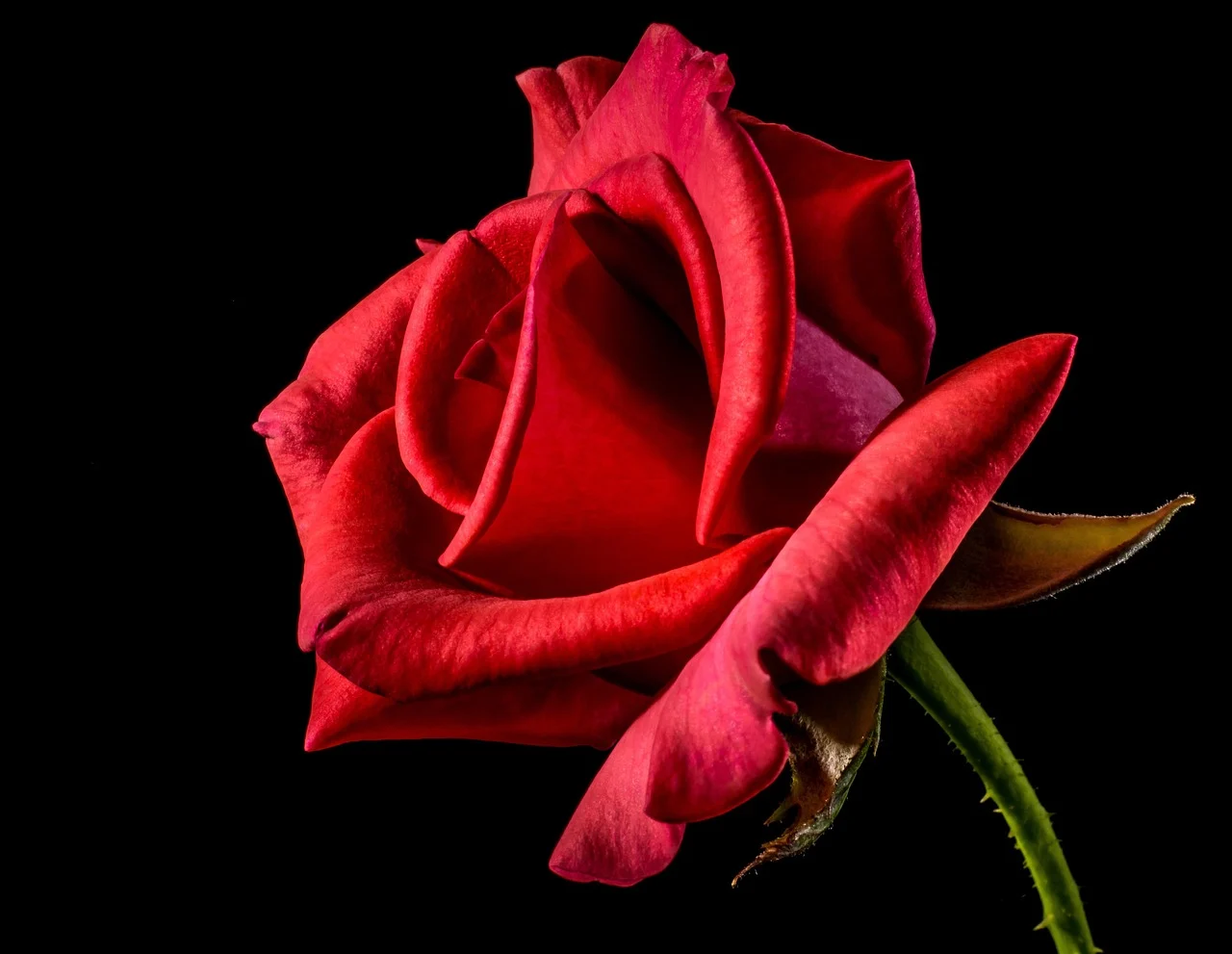
The red rose remains the most widely recognized symbol of love and passion worldwide.
Its layered petals and distinct fragrance create a sensory experience that appeals to many senses simultaneously.
Orchids are another frequent contender due to their exotic shapes and vibrant hues.
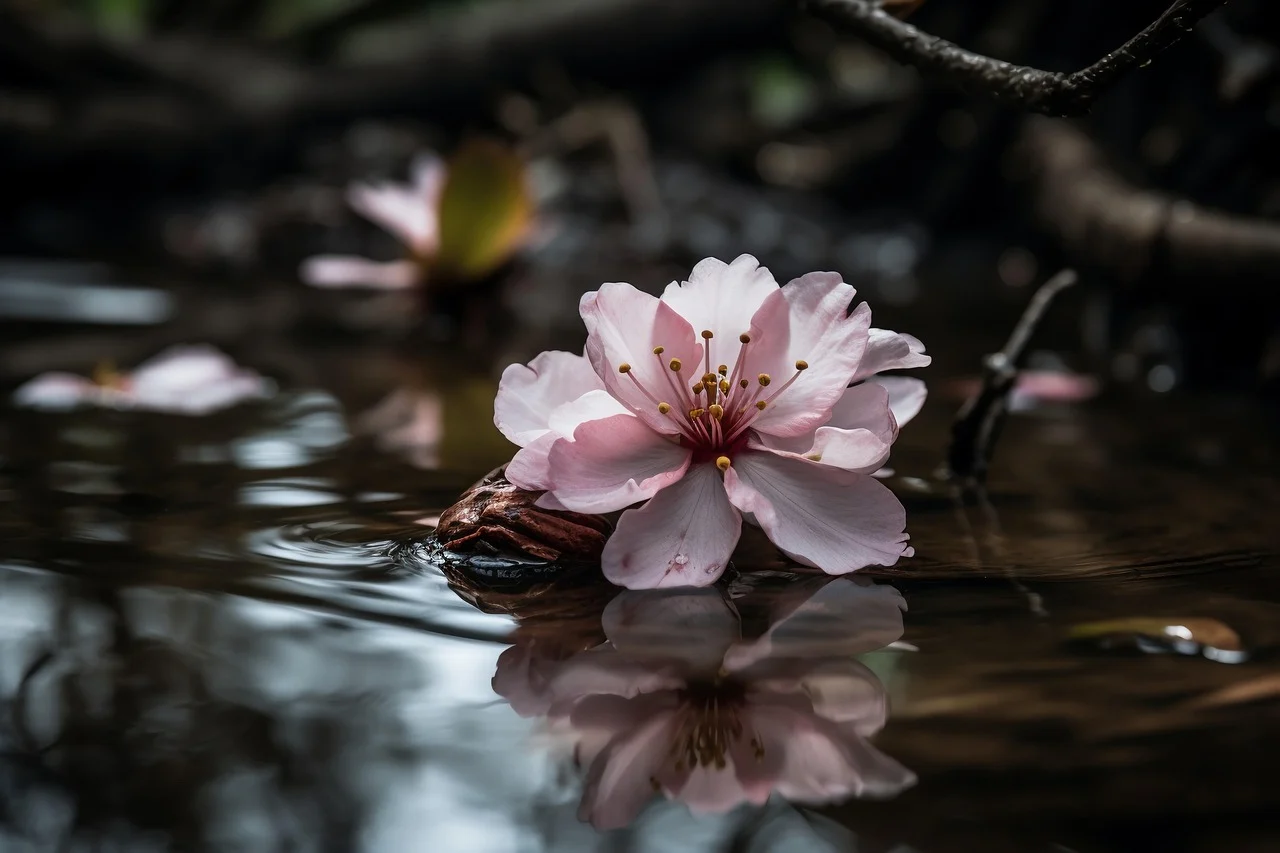
Peach trees also produce blossoms that are celebrated for their delicate pink tones during spring seasons.
Peonies offer a lush texture that distinguishes them from simpler blooms found in the wild.
These varieties have stood the test of time as favorites in art and literature for centuries.
How Culture Shapes Perceptions of Elegance
Cultural context plays a vital role in determining which blooms are revered by societies.
In Japan, the cherry blossom holds a spiritual significance that elevates its status above others.
Similarly, the lotus flower is sacred in Hindu and Buddhist traditions representing purity and enlightenment.
These cultural narratives transform simple plants into powerful symbols that define national identities.
Therefore, the answer changes depending on where you stand geographically and historically.
Western traditions often prioritize bold colors, while Eastern aesthetics may favor subtlety and seasonal timing.
The Science Behind Attractiveness in Plants
Botanists study how plants evolve to attract pollinators through specific visual cues.
UV patterns invisible to humans guide bees toward nectar sources effectively.
Symmetry often signals health and genetic fitness to potential mates in the animal kingdom.
This biological imperative influences our subconscious judgment of what looks pleasing to the eye.
Recent studies indicate that color saturation levels correlate strongly with perceived attractiveness in flowers.
Natural selection drives these traits to ensure survival, which inadvertently creates the beauty we admire today.
Understanding this mechanism helps explain why some flowers trigger an immediate positive response.
Connecting Personal Memories to Specific Blooms
Personal history often overrides objective beauty standards in our daily lives.
A specific bouquet might remind you of a grandmother who loved gardening passionately.
Such emotional connections create a unique definition of beauty that cannot be replicated universally.
You may find the dandelion more beautiful than a rare orchid because of childhood memories.
This subjective layer makes any single ranking list incomplete without considering human stories.
Your own life events will always shape your opinion more than any external survey.
Hence, the most beautiful flower is ultimately the one that resonates with your heart.
FAQ
Which flower is considered the most beautiful by experts?
While experts acknowledge subjectivity, surveys often cite the rose as the most recognized symbol of beauty globally. This popularity stems from centuries of association with romance and elegance in Western traditions. Nevertheless, regional preferences vary significantly, with the lotus holding supreme status in Asian cultures. Therefore, expert opinion relies more on historical context than objective biological metrics.
Can science objectively measure the beauty of a flower?
Science can analyze symmetry, color spectrum, and chemical composition of fragrances accurately. However, it cannot quantify the emotional impact or cultural value attached to a plant. Measurements focus on biological function rather than aesthetic pleasure experienced by humans. Thus, objective data exists but does not fully capture the essence of beauty.
Are there specific colors associated with the most beautiful flowers?
Bright reds and deep purples often dominate discussions regarding floral attractiveness in many regions. These colors tend to signal vitality and attract pollinators naturally. White flowers are also popular for their clean appearance and symbolic purity. Color preference ultimately depends on individual taste and environmental contrast.
