
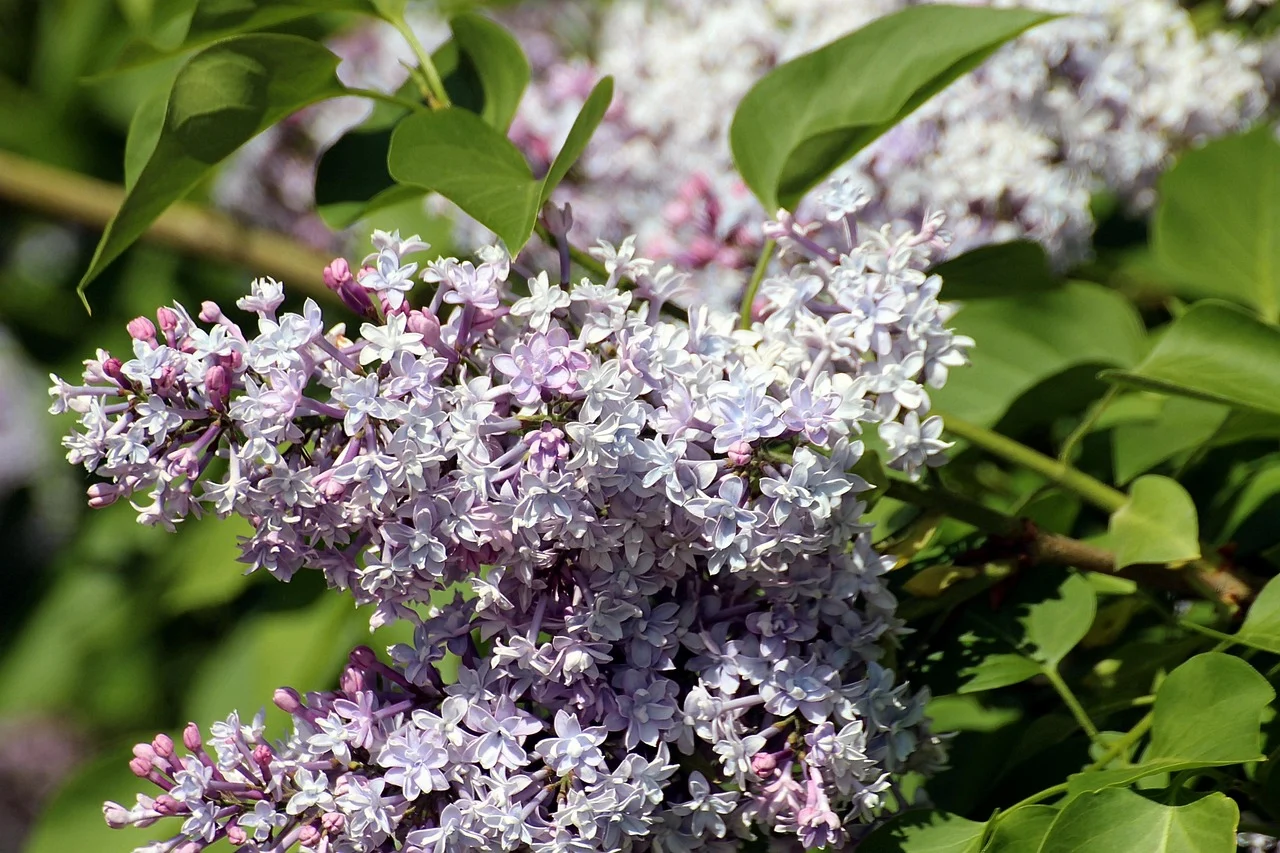
Many people assume Idaho’s landscape is defined solely by potatoes or mountains, yet the floral emblem tells a different story. Understanding what is idaho’s state flower reveals deeper insights into the region’s botanical history. This plant thrives without cultivation, marking trails used by explorers long before modern settlements arrived. Its presence connects visitors to the untouched wilderness found in the northern Rockies.
When Was the Syringa Officially Designated?
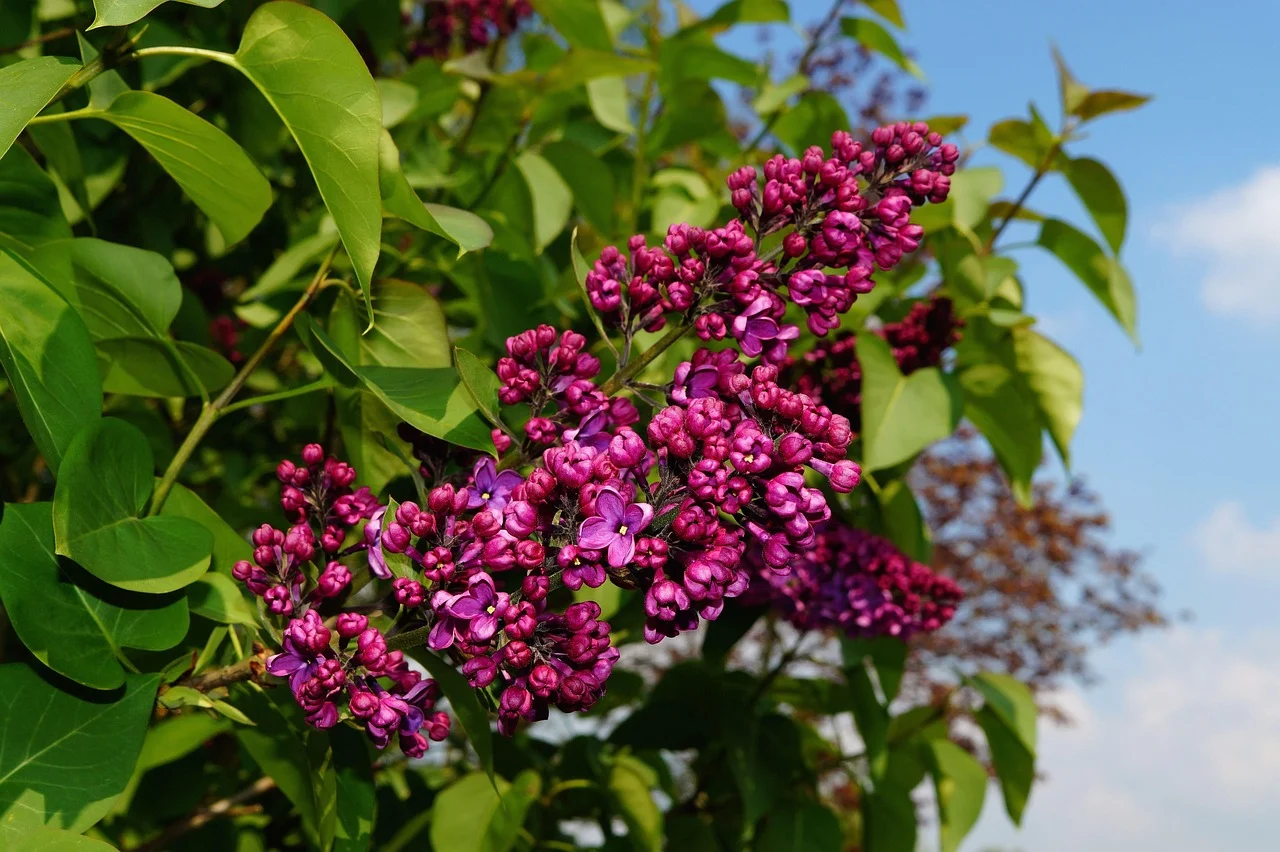
The legislative process behind selecting a state flower often reflects the cultural values of the era. In 1931, the Idaho legislature formally adopted the syringa after much deliberation among local representatives. They sought a bloom that represented resilience and beauty within the harsh mountain environments. This decision ensured that the symbol would not be confused with common garden varieties found elsewhere.
Historical records show that the syringa was abundant along riverbanks during the early settlement period. Frontiersmen relied on the sturdy branches for various practical purposes during their expeditions. The choice of this specific shrub honors the pioneers who depended on the land for survival. It remains a living testament to the resourcefulness required to live in the West.
Legislators were careful to distinguish the wild variety from ornamental bushes introduced later. They wanted an image that captured the true essence of the untamed territory. The official designation solidified the plant’s place in educational materials and public parks. Today, schools teach children about the syringa to foster appreciation for local biodiversity.
Botanical Characteristics of the Native Shrub
The syringa is a deciduous shrub that grows rapidly during the spring months in the valley regions. It produces clusters of small white Flowers that emit a strong citrus-like scent. Visitors often report being surprised by how quickly the bushes cover rocky slopes. Local historians note that these plants were essential food sources for indigenous populations.
Scientifically known as philadelphus lewisii, the plant belongs to the mock orange family. Leaves are typically oval-shaped with serrated edges that appear dark green in summer. The bark develops a reddish-brown hue as the stems age over several years. These features help botanists identify the species even when the flowers have faded away.
Growth patterns vary significantly depending on altitude and soil moisture levels available. Some specimens reach heights of four feet while others remain low to the ground. Roots spread widely to access water in dry conditions typical of the plateau areas. This adaptability makes it a robust choice for conservation efforts in changing climates.
Flower Structure and Pollination
Blooming usually occurs between late May and June when temperatures begin to rise consistently. Each individual flower has four petals that open fully to attract pollinating insects. Bees and butterflies are drawn to the fragrance which acts as a natural beacon. The resulting seed pods form in autumn after successful fertilization events complete.
Seed dispersal happens naturally through wind or animals carrying fragments to new locations. This mechanism ensures the population continues to expand without human intervention required. Gardeners sometimes attempt to cultivate them but struggle to replicate the wild environment perfectly. The experience highlights the difficulty of maintaining such specialized plants in captivity.
Where to Observe Blooms in the Wild
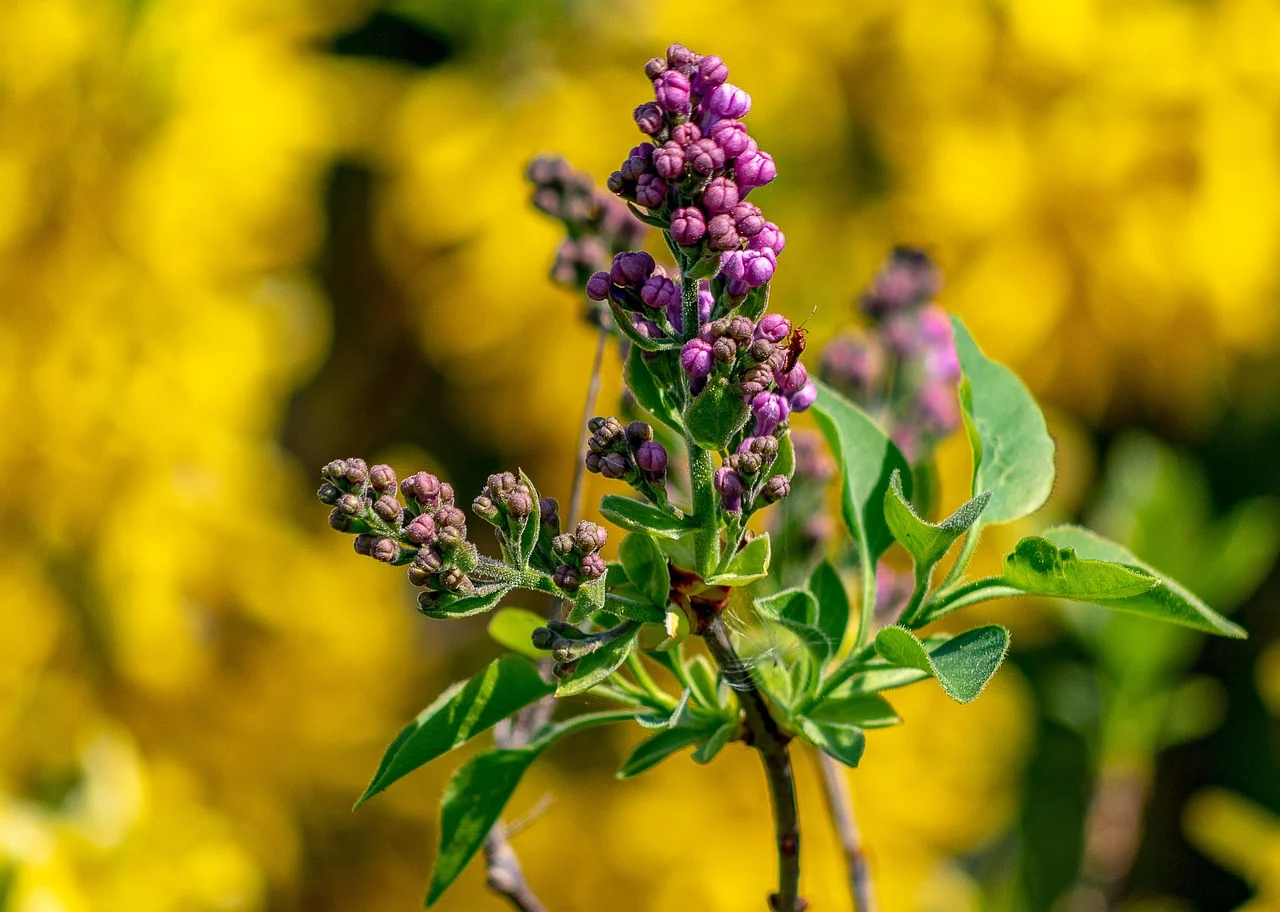
Nature enthusiasts can find the syringa growing extensively along riparian corridors throughout the state. Best viewing opportunities exist near streams where moisture levels support dense thickets formation. National forests like Payette and Salmon River offer prime locations for observation walks. Guides recommend visiting during peak season to avoid missing the brief flowering window.
Photographers frequently capture images at sunrise when the morning dew clings to petals. Shadows cast by surrounding trees create dramatic lighting effects that highlight texture details. Many hiking trails feature interpretive signs explaining the ecological role of the shrub. These markers help prevent damage caused by careless stepping on fragile root systems.
Urban parks also maintain small patches for educational purposes and community enjoyment. Citizens groups organize clean-up days to ensure the area remains accessible for everyone. Volunteers remove invasive weeds that compete with the native growth for nutrients. This collaborative approach demonstrates how local communities value preserving their unique heritage.
Why the Legislature Chose This Plant
The selection criteria focused heavily on availability and distinctiveness compared to other options. At the time, many common flowers were imported from eastern states with no local connection. Lawmakers wanted something that grew spontaneously without planting costs or maintenance needs. The syringa met all requirements regarding accessibility and regional relevance effectively.
Cultural significance played a major role in the final voting outcome among senators. Stories circulated about how the scent reminded settlers of home despite the rugged terrain. Emotional resonance often drives decisions regarding state symbols more than scientific merit alone. This emotional connection helped secure unanimous approval during the session proceedings.
Economic factors were also considered since tourism could benefit from showcasing native beauty. Promoting the flower encouraged outdoor activities that generated revenue for rural towns nearby. Economic incentives aligned with conservation goals to protect habitats from development pressures. Such alignment ensured long-term support for protecting the landscape features.
Conservation Status and Future Challenges
Current data suggests that the syringa population remains stable across most county boundaries. Climate change poses potential risks to moisture-dependent growth cycles in lower elevations. Scientists monitor changes in blooming times to detect shifts in seasonal weather patterns. Early blooms may expose delicate buds to unexpected frosts later in the year.
Land management policies now restrict clearing vegetation in protected zones to preserve roots. Developers must submit environmental impact statements before constructing near known habitat areas. These regulations help balance growth needs with preservation mandates for future generations. Enforcement varies by jurisdiction but generally follows strict state guidelines consistently.
Research projects aim to understand genetic diversity within isolated populations across different regions. Protecting genetic variation ensures resilience against diseases that might affect uniform crops. Funding comes from grants dedicated to maintaining biological resources in the northwest. Continued study provides valuable data for adapting strategies as conditions evolve over time.
In summary, the syringa represents more than just a pretty flower in Idaho fields. It stands as a historical marker connecting past settlers with current residents today. If you visit the region this spring, take a moment to smell the air.
FAQ
When did Idaho officially adopt the syringa as its state flower?
The Idaho legislature officially adopted the syringa as the state flower in 1931. This decision was made to honor a native plant that thrived naturally across the landscape. It replaced earlier proposals because the syringa was more representative of local wilderness conditions.
Can you grow the syringa flower in a home garden?
Yes, you can grow the syringa in a home garden if conditions mimic the wild. You will need well-draining soil and partial shade to encourage healthy blooming cycles. Watering should be moderate since excessive moisture can lead to root rot issues.
Does the state flower change every year in Idaho?
No, the state flower does not change annually once it has been designated by law. Once the syringa was chosen in 1931, it remained the official emblem forever. Changing state symbols requires passing new legislation through both houses of the assembly.
What does the syringa bloom look like in nature?
The syringa bloom consists of clusters of small white flowers with four petals each. They release a sweet fragrance similar to oranges when touched or crushed in sunlight. The leaves are green and oval shaped with slightly jagged edges around the perimeter.
Are there other flowers similar to Idaho’s official state blossom?
There are several species within the mock orange family that share similar characteristics globally. However, the Lewis Mock Orange is unique to the Pacific Northwest region specifically. Other varieties lack the specific hardiness needed to survive Idaho winters without protection.
