
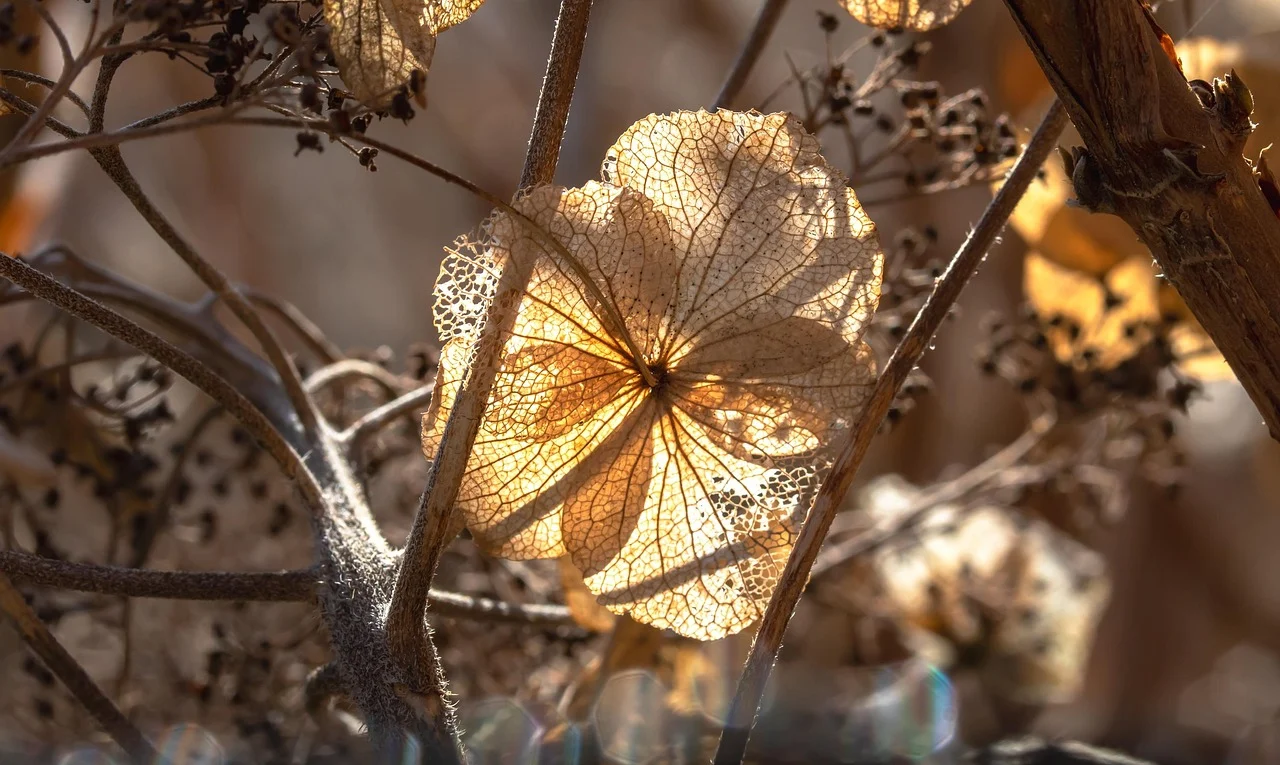
Flowers often look best fresh, but their beauty fades quickly after cutting. Many people struggle to preserve these delicate blooms for lasting memories or crafts. Understanding how to dry flower petals correctly ensures you maintain vibrant colors instead of brown decay. This process requires patience rather than special equipment to achieve good results.
Why Preserving Fresh Blooms Matters More Than You Think
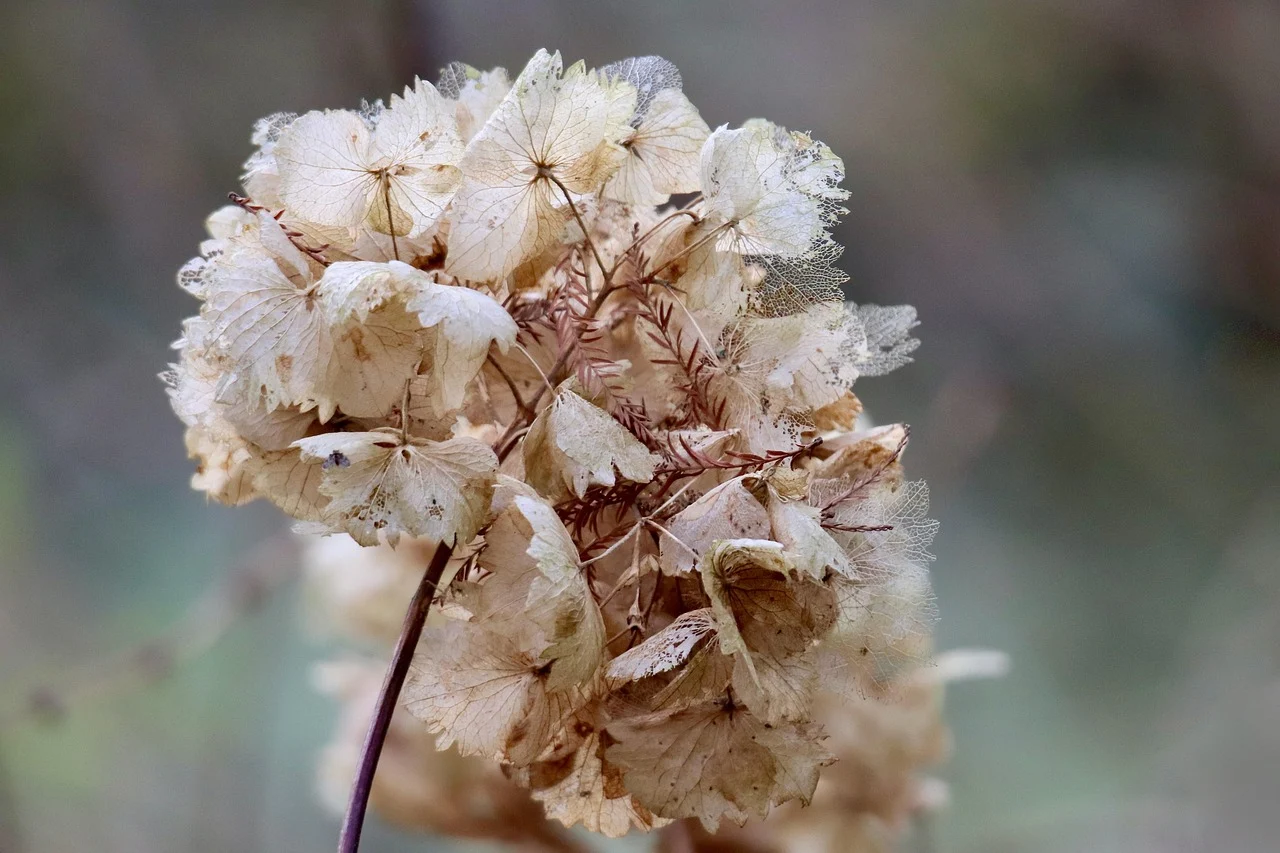
Preserved flowers serve as tangible reminders of significant life events like weddings or anniversaries. Unlike digital photos, dried botanicals offer a tactile experience that connects us to nature physically. Keeping a bouquet alive through preservation extends its emotional value far beyond the initial bloom period. This longevity transforms fleeting moments into permanent keepsakes for future generations.
Research indicates that humidity levels above sixty percent significantly increase mold risk during drying. Proper environmental control is essential for maintaining structural integrity throughout the entire process. Without careful attention to moisture, even healthy flowers will succumb to rot before they harden. Successful preservation depends heavily on managing the surrounding atmosphere around the plant matter.
Different Techniques to Answer How to Dry Flower Petals
Selecting the right method depends largely on whether you need flat specimens or three-dimensional structures. Some techniques are better suited for specific types of flowers based on thickness and texture. Experimentation with small batches allows you to gauge results before committing valuable materials. Each approach offers distinct advantages regarding color retention and time investment required.
Air Drying Method
This traditional approach involves hanging bunches upside down in a dark room with airflow. It works well for sturdy stems and larger blooms that hold their form easily. The downside is that gravity may distort the shape if the flower heads are too heavy. Patience is key here as this process usually takes one to two weeks minimum.
Silica Gel Approach
Burying petals in silica gel crystals preserves color vibrancy better than most other methods. The granules absorb moisture rapidly while supporting the flower structure from all angles. You must ensure complete coverage to prevent any parts from shriveling during the week. This technique is ideal for delicate roses or hydrangeas that lose shape quickly.
Common Mistakes That Ruin Your Petal Preservation Efforts
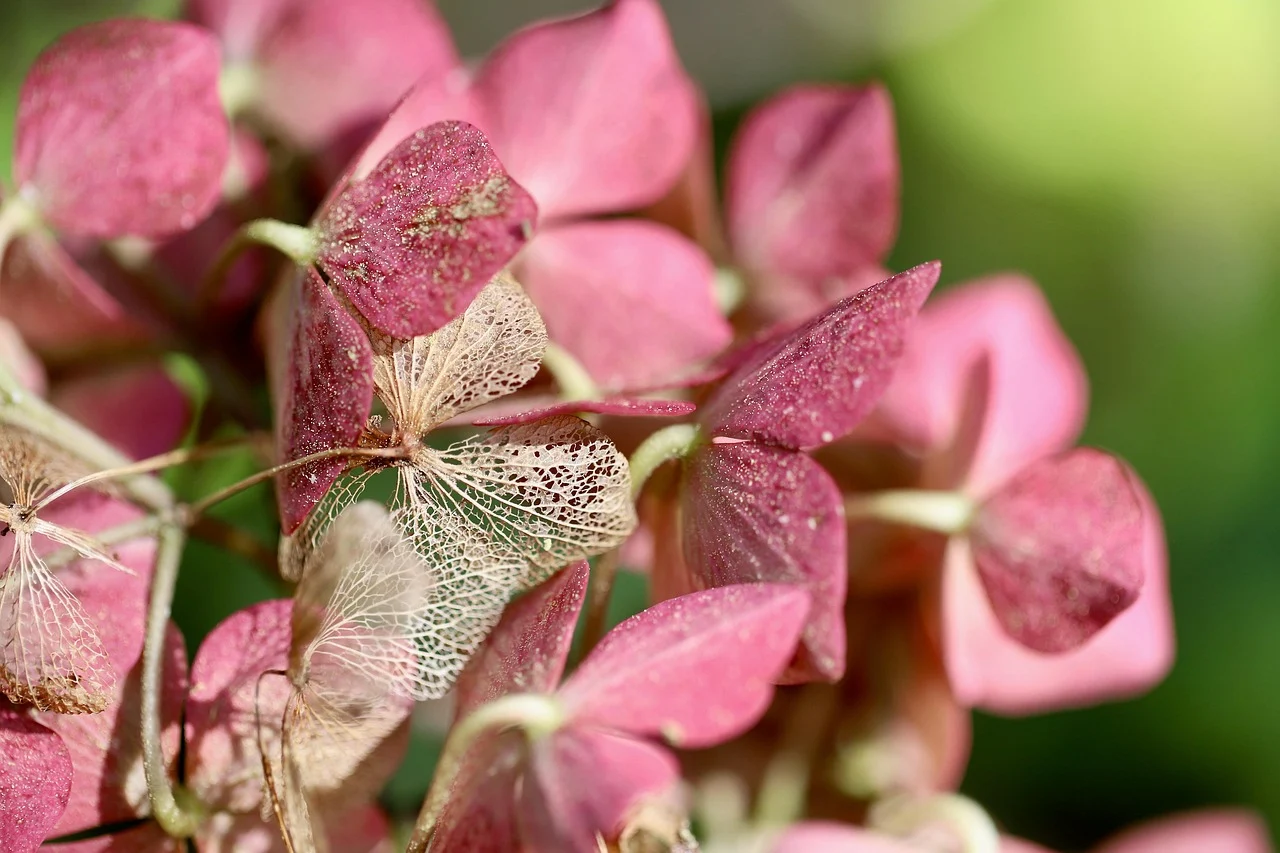
Harvesting flowers at the wrong stage of growth is a primary cause of failure. Picking blooms when they are fully open often leads to rapid deterioration once cut. Wait until buds are just beginning to unfurl for the best structural stability. Harvesting early gives the drying agents more time to work effectively on the tissue.
Exposure to strong light sources causes pigments to break down and fade prematurely. Ultraviolet radiation from windows or lamps strips away natural hues during the waiting period. Always store your drying materials in opaque containers or closed closets completely away from sun. Darkness is the single most important factor for retaining original color intensity over time.
Storing Your Dried Flowers for Long Term Use
Once the petals are fully dried, proper storage prevents reabsorption of atmospheric moisture. Sealing them in airtight glass jars helps maintain their crisp texture indefinitely. Including a small packet of desiccant inside the container adds an extra layer of protection against humidity spikes. This step is crucial for preventing mold growth in stored collections.
Labeling each jar with the date and species name helps organize your collection efficiently. Over time, forgotten flowers may lose their fragrance or become brittle without care. Rotating your stock ensures you use older materials before they degrade completely. Consistent organization makes finding the right piece for a craft project much faster.
Creative Uses for Your Preserved Botanical Materials
Dried petals make excellent fillers for potpourri mixes that add subtle scent to rooms. Mixing different colors creates visually appealing arrangements that last for months without maintenance. They can also be embedded into resin crafts for jewelry or decorative paperweights. These applications turn simple garden waste into high-value artistic components.
Using petals in handmade greeting cards adds a personal touch that mass-produced items lack. Embedding them under clear tape or resin seals protects them from handling damage. Framed arrangements serve as unique wall art that changes seasonally with new harvests. The versatility of preserved flowers opens doors for various DIY projects around the home.
Understanding how to dry flower petals opens up a world of creative possibilities for enthusiasts. With the right tools and environment, anyone can achieve professional-looking results at home. Focus on controlling humidity and light to protect the natural beauty of your plants. Start with a few simple experiments to find the method that suits your style best.
FAQ
Can I use an oven to speed up the drying process?
Using an oven is generally not recommended because high heat destroys colors and textures rapidly. Temperatures above one hundred degrees Fahrenheit often cause petals to burn or crumble instantly. Air drying or silica gel provides controlled dehydration without damaging the cellular structure of the flower. Patience yields better visual results than rushing with artificial heat sources.
How long does it take for petals to dry completely?
The duration varies depending on the method chosen and the ambient humidity levels. Air drying typically requires one to three weeks for full dehydration without support. Silica gel methods are faster and may only take three to five days. Pressing flowers between paper usually finishes within seven to ten days.
What kind of flowers work best for petal drying?
Roses, lavender, and marigolds are among the most successful candidates for preservation techniques. Thick-petaled varieties hold their shape better than thin delicate structures like baby’s breath. Avoid succulents or very fleshy flowers as they tend to rot instead of drying cleanly. Choose blooms with low moisture content for the highest success rate.
Is it safe to keep dried flowers indoors near pets?
Most dried flowers are non-toxic, but some species remain poisonous even after dehydration. Verify the safety profile of your specific plant type before placing them in accessible areas. Pets might ingest colorful decorations which could lead to gastrointestinal upset or toxicity. Always supervise children and animals around fragile botanical displays in the home.
