
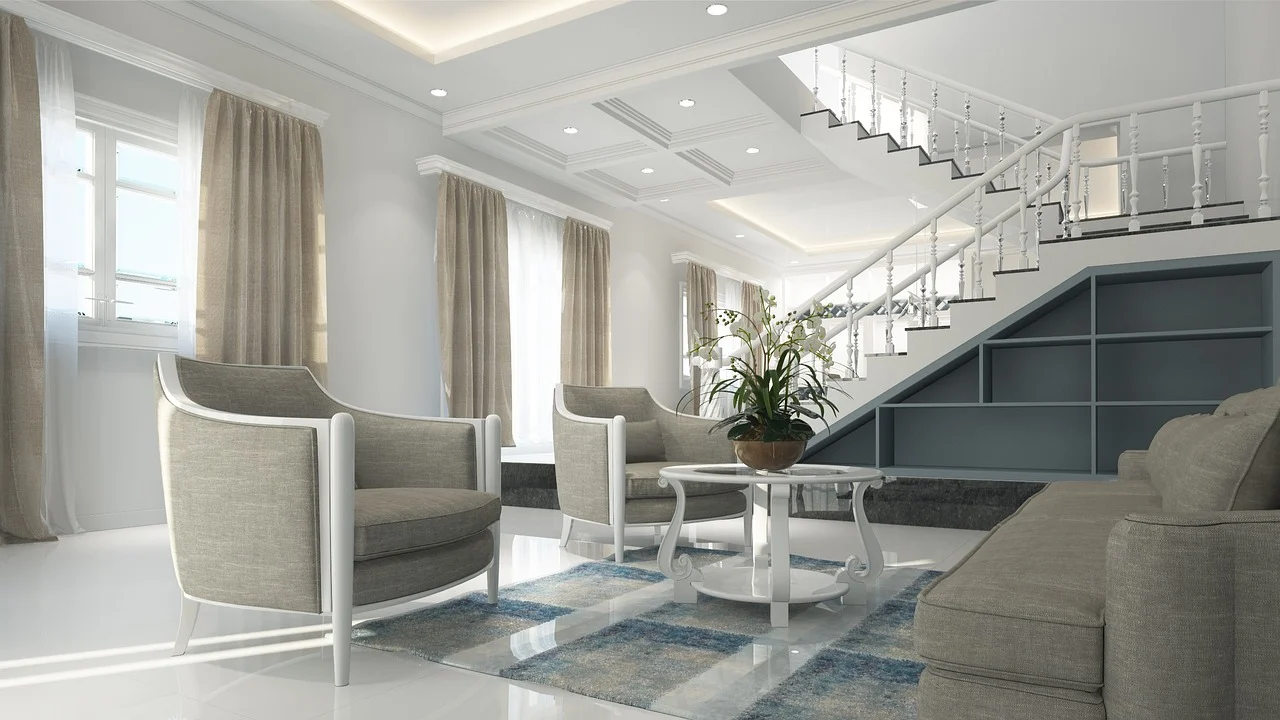
Many homeowners struggle when choosing between contemporary vs modern styles for their renovation projects. The terms are often used interchangeably, yet they represent distinct design eras and philosophies. Understanding the difference helps you communicate clearly with contractors and designers. This clarity ensures your final space matches your vision without costly misunderstandings.
Confusion often starts when browsing real estate listings or furniture catalogs. Sellers might label any clean-lined room as modern regardless of its actual era. Buyers then expect specific features that may not be present in the property. Recognizing the distinction saves time and prevents disappointment during your search.
Defining Modern Design Origins
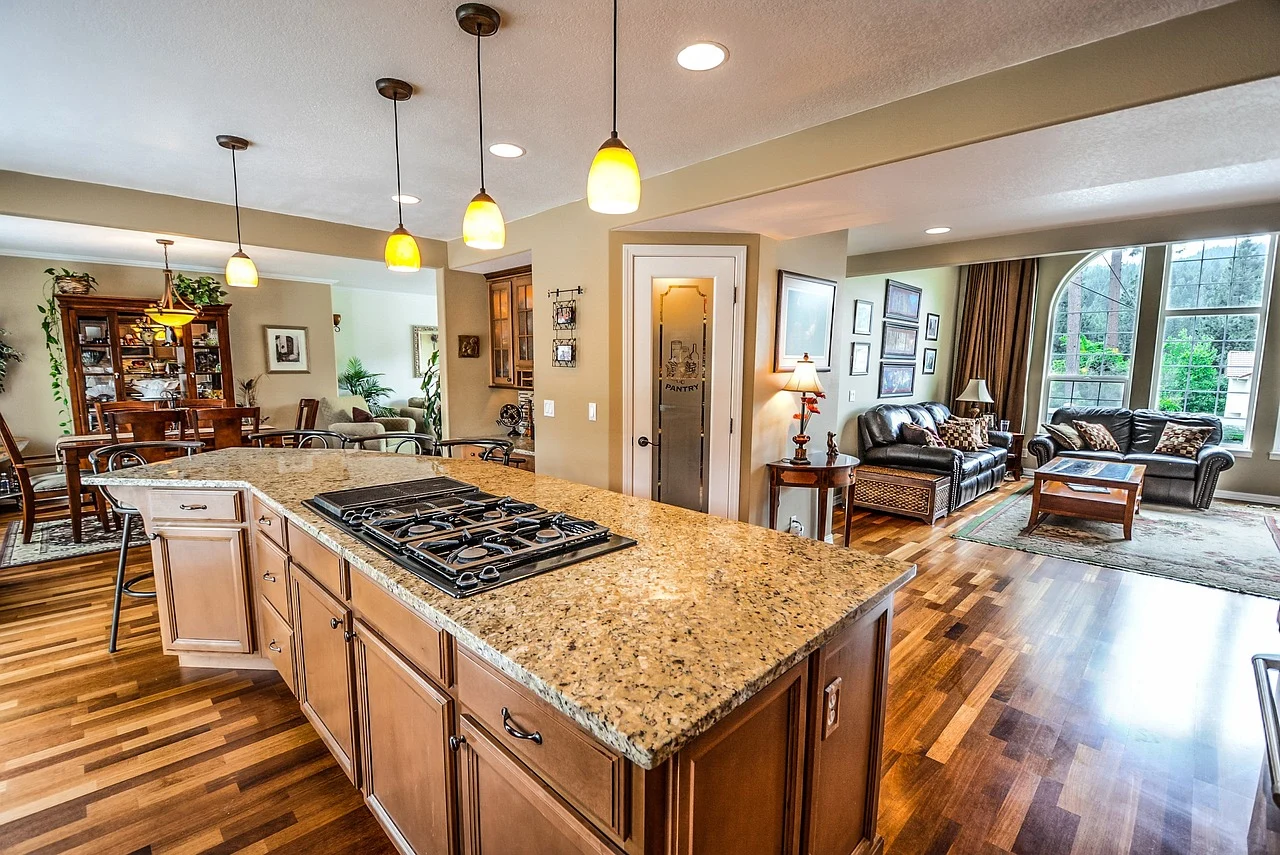
Modern design refers to a specific historical movement rooted in the early to mid-20th century. It emerged from German Bauhaus schools and Scandinavian simplicity during the 1920s to 1950s. The style prioritizes function over ornamentation and rejects unnecessary decorative details. Architects like Le Corbusier and Charles Eames heavily influenced this enduring aesthetic.
Key characteristics include strict adherence to straight lines and geometric forms. Natural materials such as wood, leather, and stone are used in their raw states. Color palettes tend to be neutral with occasional bold primary accents. The goal is to create a sense of order and calm through minimalism.
What Contemporary Style Actually Means
Contemporary design describes what is popular and being created at the present moment. Unlike modern design, it is not fixed to a specific time period in history. This style evolves constantly as new trends emerge and technology advances. What is considered contemporary today may change significantly in a decade.
Current contemporary spaces often feature open floor plans and large windows. Sustainability and eco-friendly materials are becoming central themes in new builds. Technology integration is seamless, with smart home features hidden within the architecture. The look is fluid and adapts to the lifestyle of the current owner.
Key Differences in contemporary vs modern Materials
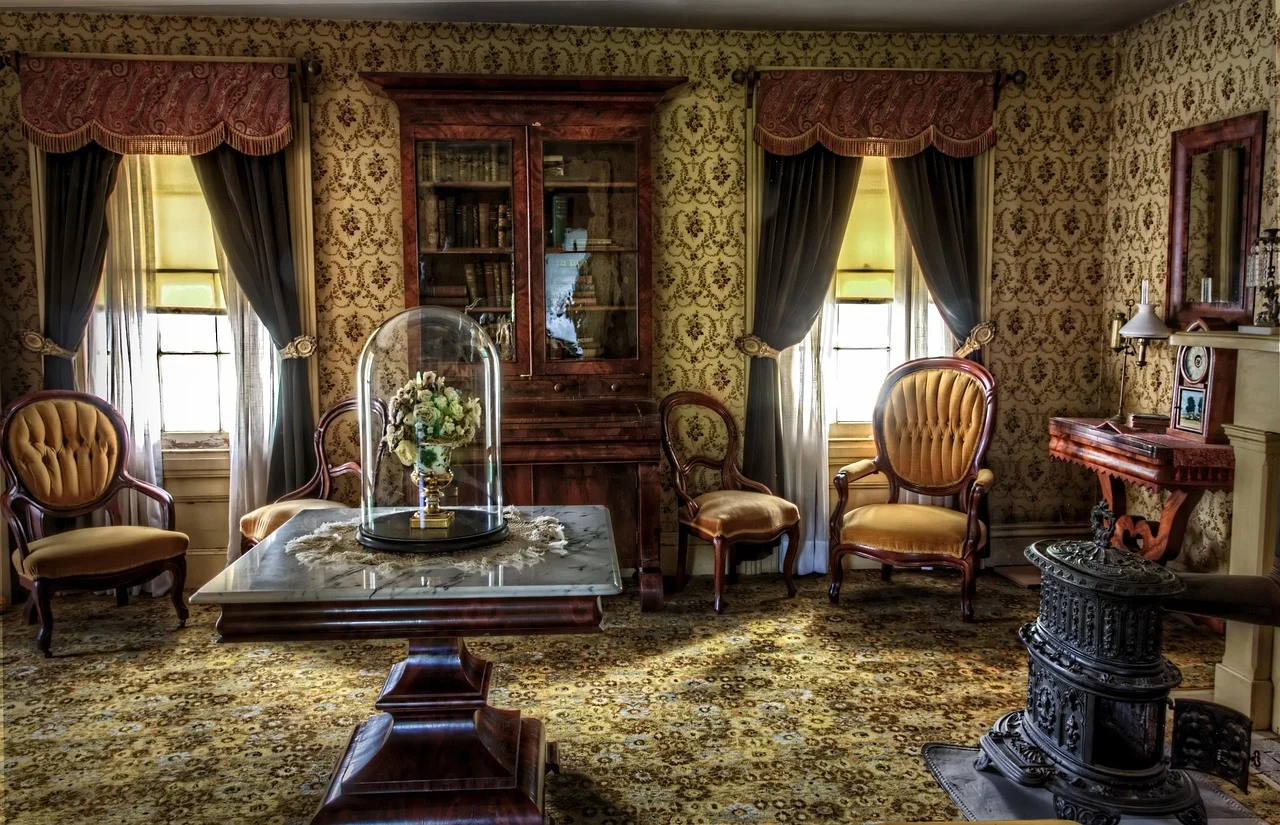
Material selection is one of the strongest indicators when comparing contemporary vs modern interiors. Modernism relies heavily on traditional natural elements like teak, walnut, and steel. Contemporary spaces might incorporate recycled glass, concrete, or composite materials. The choice reflects the era’s available technology and environmental concerns.
Line and Form Variations
Modern design strictly favors horizontal and vertical lines with sharp edges. You will rarely see curves or ornate molding in a true modernist home. Contemporary styles are more willing to embrace soft curves and organic shapes. This flexibility allows for more artistic expression within the living space.
Furniture in modern settings often sits low to the ground with exposed legs. Contemporary pieces might be larger and more plush while maintaining clean silhouettes. The distinction helps when sourcing vintage pieces versus new custom items. Knowing these details ensures cohesion throughout your entire renovation project.
Color Palette Approaches
Modern color schemes usually stick to earth tones and monochromatic shades. Warm woods contrast against white walls and black metal accents. Contemporary palettes are bolder and may include high-contrast black and white. Art pieces often drive the color choices in a contemporary setting.
Lighting plays a crucial role in defining the mood for both styles. Modern homes use functional fixtures that blend into the background architecture. Contemporary designs often treat lighting fixtures as sculptural art statements. The right choice depends on whether you prefer subtlety or visual impact.
Why People Confuse the Terms
The overlap in visual aesthetics causes significant confusion among homeowners and buyers. Both styles value simplicity and reject clutter from the living environment. According to a 2023 Houzz study, over 40% of homeowners mix elements from both styles. This blending makes it harder to categorize a space strictly into one box.
Real estate agents often use the terms loosely to market properties effectively. They might call a newly built home modern even if it is technically contemporary. This marketing language perpetuates the misunderstanding across the industry. Buyers need to look past the labels and examine the actual features.
Choosing the Right Style for Your Home
Selection depends on whether you prefer historical accuracy or current flexibility. Modern design offers a timeless look that has proven stable over decades. Contemporary style allows you to update elements as trends shift naturally. Consider your long-term comfort rather than just resale value trends.
Budget also plays a role since authentic modern furniture can be expensive. Vintage pieces require maintenance and might not suit every functional need. Contemporary options are widely available at various price points globally. Evaluate your lifestyle needs before committing to a specific design path.
Ultimately the goal is to create a space that feels authentic to you. Whether you choose contemporary vs modern depends on your personal connection to the space. Focus on how the room functions for your daily routine first. Aesthetic choices should support your life rather than dictate it.
FAQ
Is contemporary design the same as modern style?
No, contemporary design refers to current trends that change over time, while modern style is a specific historical movement from the early 20th century. Modern design focuses on function and strict lines, whereas contemporary design is more fluid and incorporates current technologies. Understanding this distinction helps when planning renovations or buying furniture.
Which style holds value better for resale?
Modern design often holds value well due to its timeless and historical significance in architecture. However, contemporary styles can appeal to buyers looking for move-in ready homes with current amenities. The best choice depends on your local market and the specific features of your property location.
Can I mix contemporary and modern elements together?
Yes, many homeowners successfully blend elements from both styles to create a unique look. You might use modern furniture pieces within a contemporary architectural shell for contrast. The key is to maintain a cohesive color palette and ensure the lines complement each other visually.
