
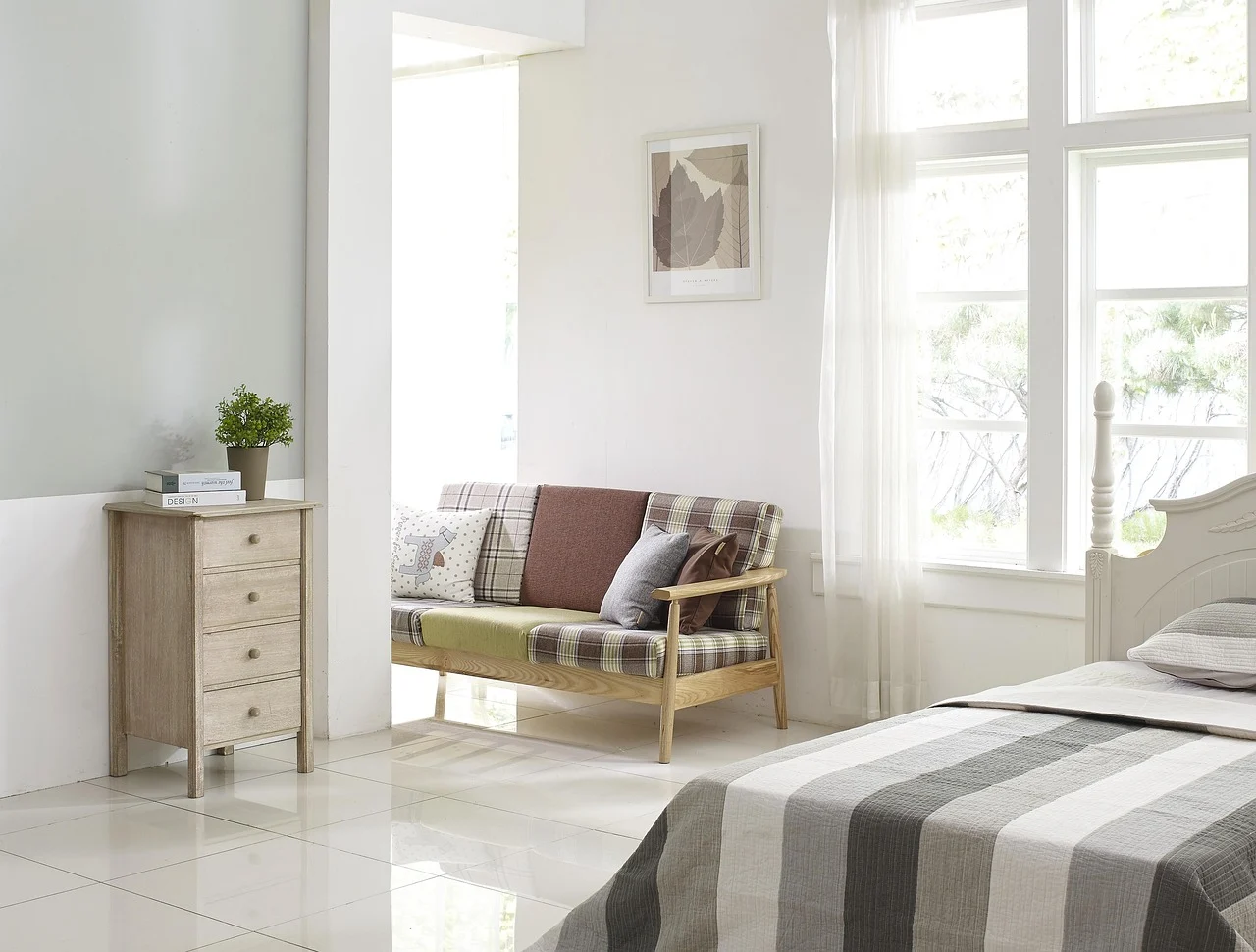
Many homeowners struggle to create spaces that feel both stylish and livable, often ending up with rooms that look good in photos but fail in daily use. This is where scandinavian interior design offers a refreshing solution by prioritizing function without sacrificing aesthetic appeal. It is not just about minimalism; it is about creating a sanctuary that supports your routine while maintaining a sense of calm through thoughtful material choices and lighting. Achieving this look requires a shift in mindset from accumulation to curation, ensuring every object earns its place in your home.
Understanding the Core Philosophy
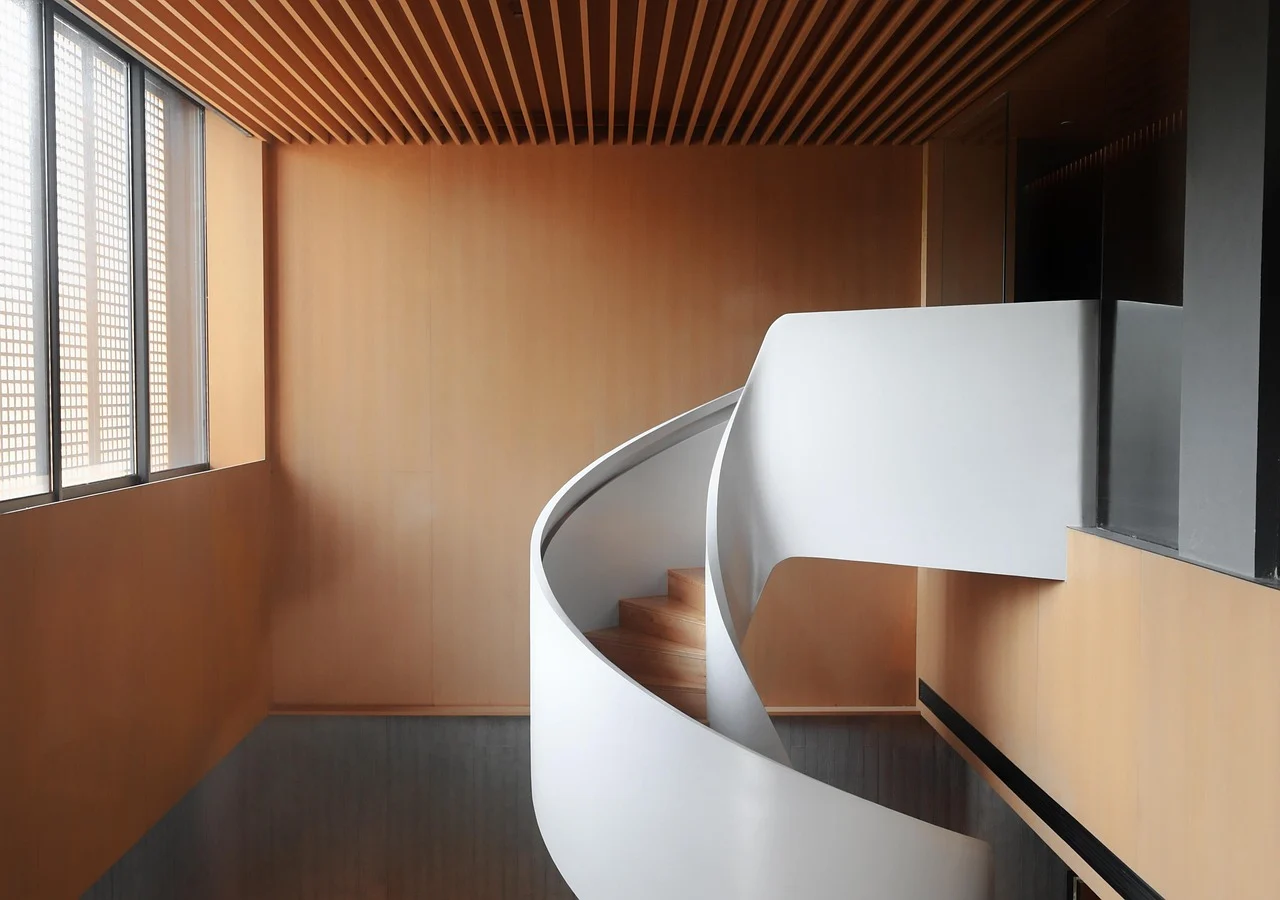
The foundation of this style lies in the belief that your home should improve your daily life rather than complicate it with unnecessary decorations. Designers in Northern Europe developed these principles to cope with long winters and limited sunlight, focusing on warmth and usability above all else. You will find that every piece of furniture serves a specific purpose, reducing visual noise and mental clutter significantly. This philosophy encourages you to evaluate what you truly need before making a purchase, leading to a more sustainable and peaceful living environment over time.
Key Elements of scandinavian interior design
To successfully implement this look, you need to focus on a neutral color palette that reflects light around the room effectively without feeling bland. White, gray, and soft beige tones form the backbone of the walls and larger furniture pieces to maintain airiness and visual continuity. Accents are introduced through textures rather than bold colors, ensuring the space remains soothing and cohesive throughout the changing seasons. This restraint allows your eyes to rest and prevents the overstimulation that often comes from trendy, high-contrast design schemes found in modern magazines.
Lighting and Atmosphere
Maximizing Natural Light
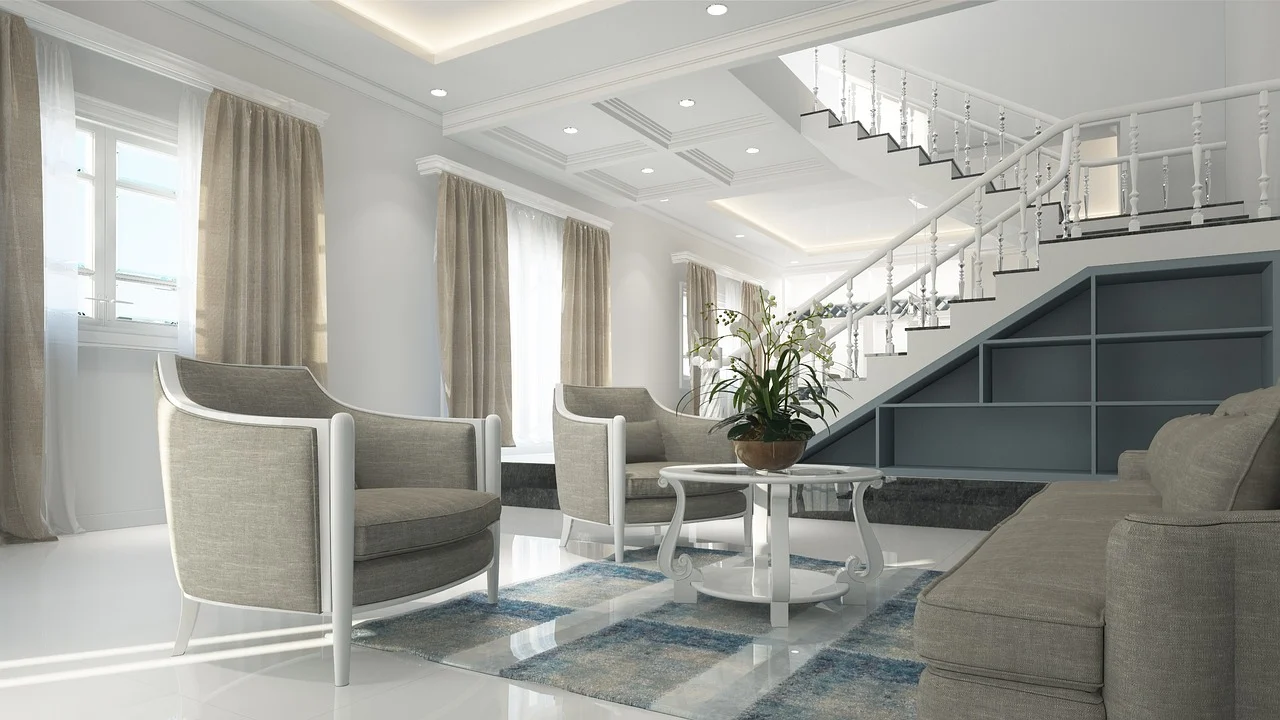
Windows are rarely covered with heavy drapes because capturing daylight is essential for mood and energy levels during darker months of the year. Sheer fabrics or simple wooden blinds are preferred to maintain privacy without blocking the sun from entering your living spaces freely. This approach helps regulate your circadian rhythm and makes smaller rooms feel significantly larger and more inviting to guests and family alike.
Artificial Lighting Layers
When the sun goes down, multiple light sources create a warm glow that prevents the space from feeling sterile or cold at night. Floor lamps, pendant lights, and candles are used together to build depth and intimacy in the evening hours for relaxation. Investing in dimmable options allows you to adjust the atmosphere based on whether you are working remotely or relaxing with a book.
Choosing Sustainable Materials
Wood is the most critical component, usually appearing in light tones like ash, beech, or pine to keep the vibe organic and grounded in nature. Textiles such as wool, sheepskin, and linen add tactile comfort that invites you to touch and linger in the room for longer periods. Sustainability is also a major factor, with an emphasis on buying fewer, higher-quality items that last for generations without needing replacement. Choosing vintage pieces is also common, as it adds character and reduces the environmental impact of manufacturing new furniture for your specific home setup.
Common Mistakes to Avoid
A frequent error is pushing minimalism too far, resulting in a space that feels impersonal and lacking in character or personal history entirely. Another issue is ignoring storage solutions, which leads to clutter accumulating on surfaces and ruining the clean lines you worked hard to establish initially. Balance is key, so ensure you leave room for personal items that bring you joy without overwhelming the visual field of the room. Remember that functionality includes storage, so hidden cabinets are often better than open shelving for maintaining the clean aesthetic you desire.
Adapting the Style Globally
While originating in cold climates, these principles work well in warmer regions by swapping heavy wool for breathable cotton and linen fabrics easily. The focus on light and function translates universally, regardless of the weather outside your specific window or geographic location. You can maintain the aesthetic by sticking to the core rules of simplicity and natural materials even in tropical or arid environments globally. The goal is to adapt the warmth and light principles to your local context without copying the exact inventory of a Swedish catalog directly.
Ultimately, creating a home based on these principles is about finding what works for your specific lifestyle and daily needs. Start with one room and focus on decluttering before buying new items to see the immediate impact on your peace of mind. What is the one area in your home that feels the most cluttered right now?
FAQ
How do I add color without losing the scandinavian interior design feel?
You can introduce muted tones like sage green, dusty blue, or terracotta through soft furnishings rather than painting walls. Keep the base neutral and use these colors in throw pillows, rugs, or artwork to maintain the overall calm vibe. This method allows you to refresh the look seasonally without committing to permanent changes that might clash later.
Is scandinavian interior design suitable for small apartments?
Yes, it is actually ideal for small spaces because the focus on light colors and multifunctional furniture maximizes every square foot available. Mirrors are often used to reflect light and create an illusion of depth in tighter rooms effectively. The emphasis on decluttering ensures that limited floor space remains open and usable for daily activities and movement.
What is the difference between this style and modern minimalism?
Modern minimalism often feels colder and more industrial, whereas this style prioritizes warmth and coziness through natural textures and wood. The goal here is livability and comfort, known as hygge, rather than just stark visual reduction of objects in the room. You will find more soft textiles and organic shapes here compared to the sharp lines of strict minimalism.
How much does it cost to achieve this look properly?
It can be budget-friendly if you focus on decluttering and buying second-hand wood furniture instead of brand new designer items. The style values quality over quantity, so saving up for one good piece is better than buying many cheap ones that break. Investing in timeless designs means you won’t need to replace items frequently, saving money in the long run.
