
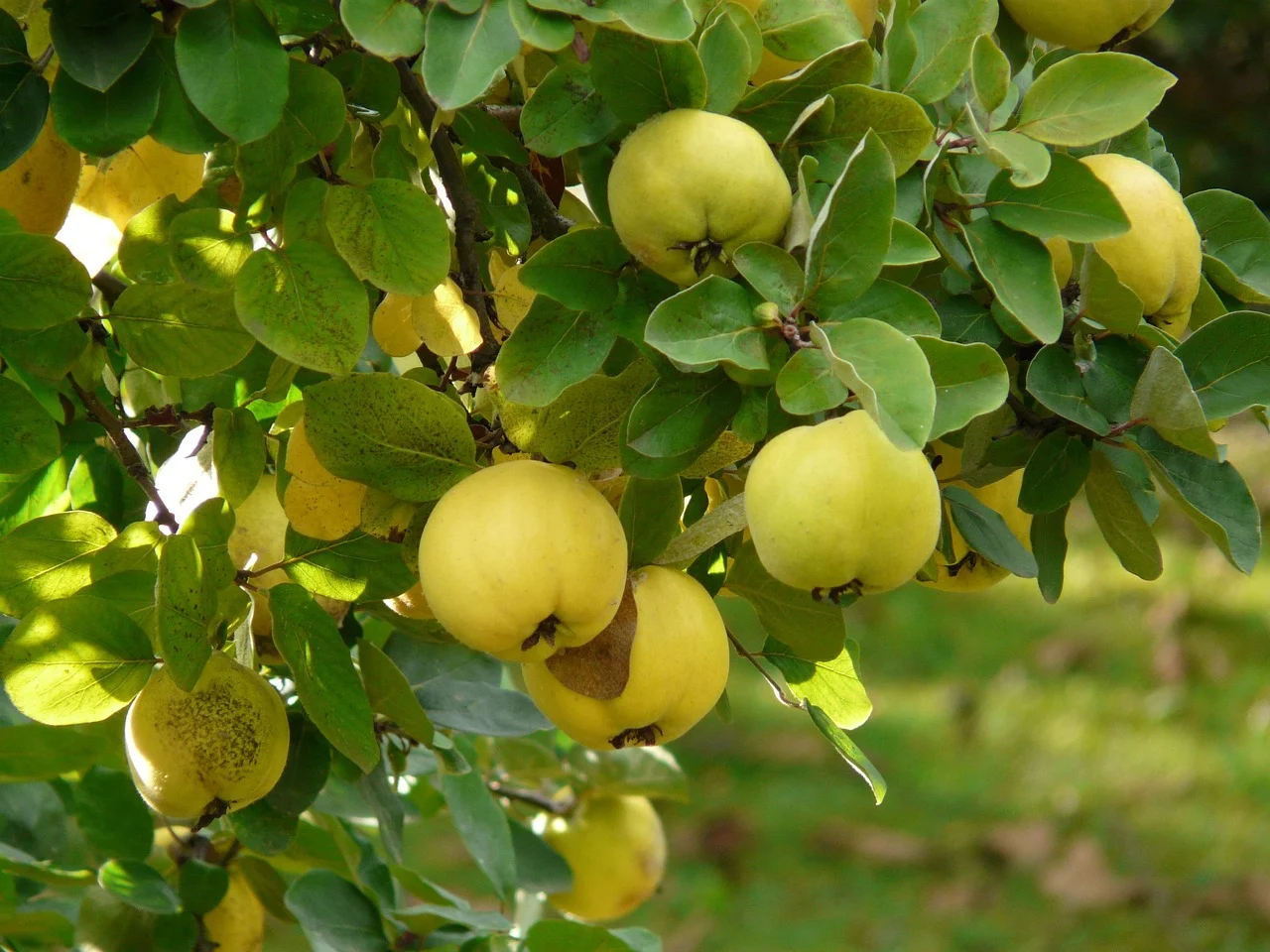
Gardeners often face a surprising hurdle when attempting to curate a collection alphabetically. Searching for specific blooms becomes difficult once the letter Q is reached. Many people assume options are nonexistent because commercial nurseries rarely stock them. This scarcity forces enthusiasts to dig deeper into botanical catalogs.
You might find yourself staring at blank spaces where a Q entry should be listed. It is important to understand that nature does not always accommodate alphabetical convenience. Some plants have scientific names beginning with other letters despite common confusion. Recognizing this distinction saves time during the planning phase.
Why finding flowers that start with q feels impossible
The primary reason lies in the etymology of plant names used by horticulturists. Botanical Latin often dictates the classification rather than English common names. Consequently, many visually similar species fall under different alphabetical categories entirely. You need to look beyond standard nursery signage for accurate results.
Regional naming conventions also contribute to the confusion across different markets. A flower known as Quince in one country may be classified differently elsewhere. This variability makes creating a definitive list challenging without expert verification. Trusting verified botanical resources prevents purchasing errors in your landscape design.
The top varieties of flowers that start with q
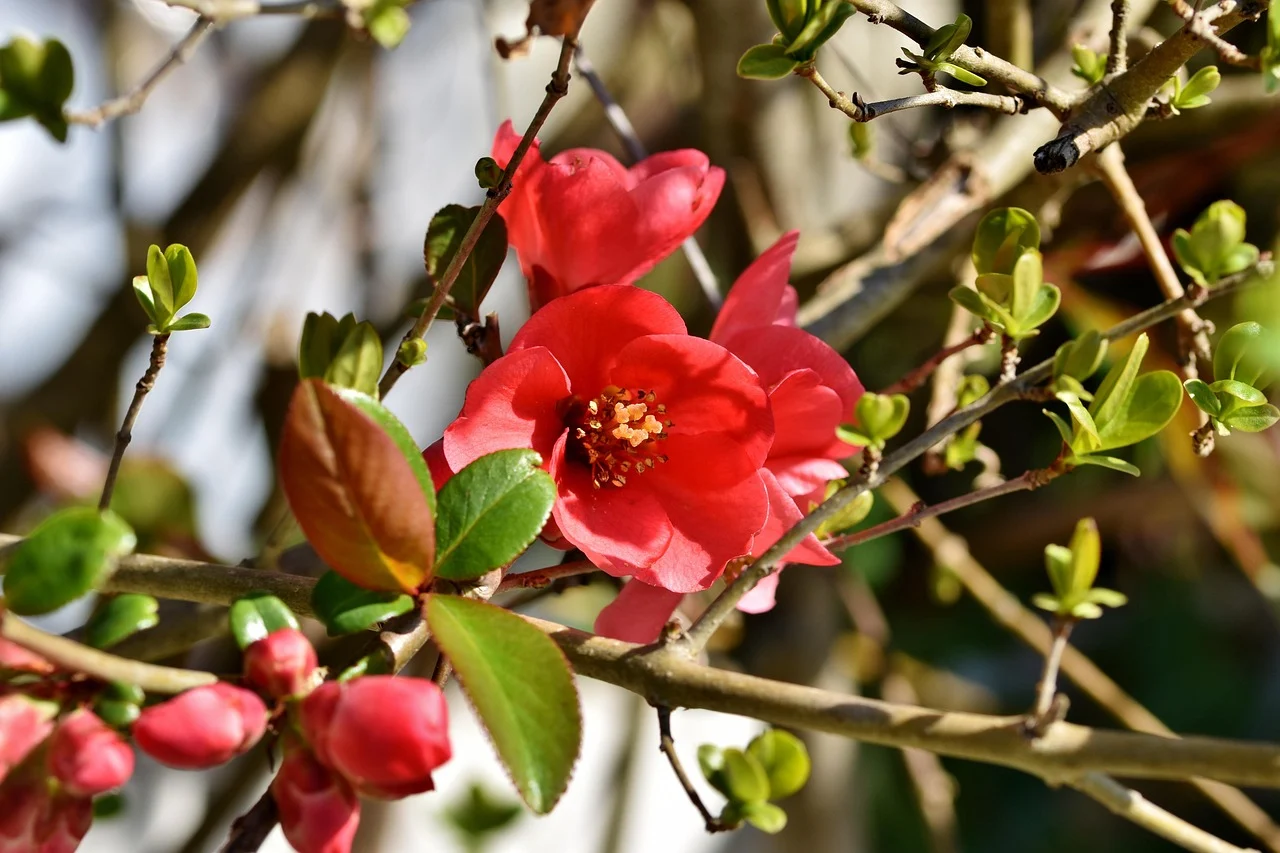
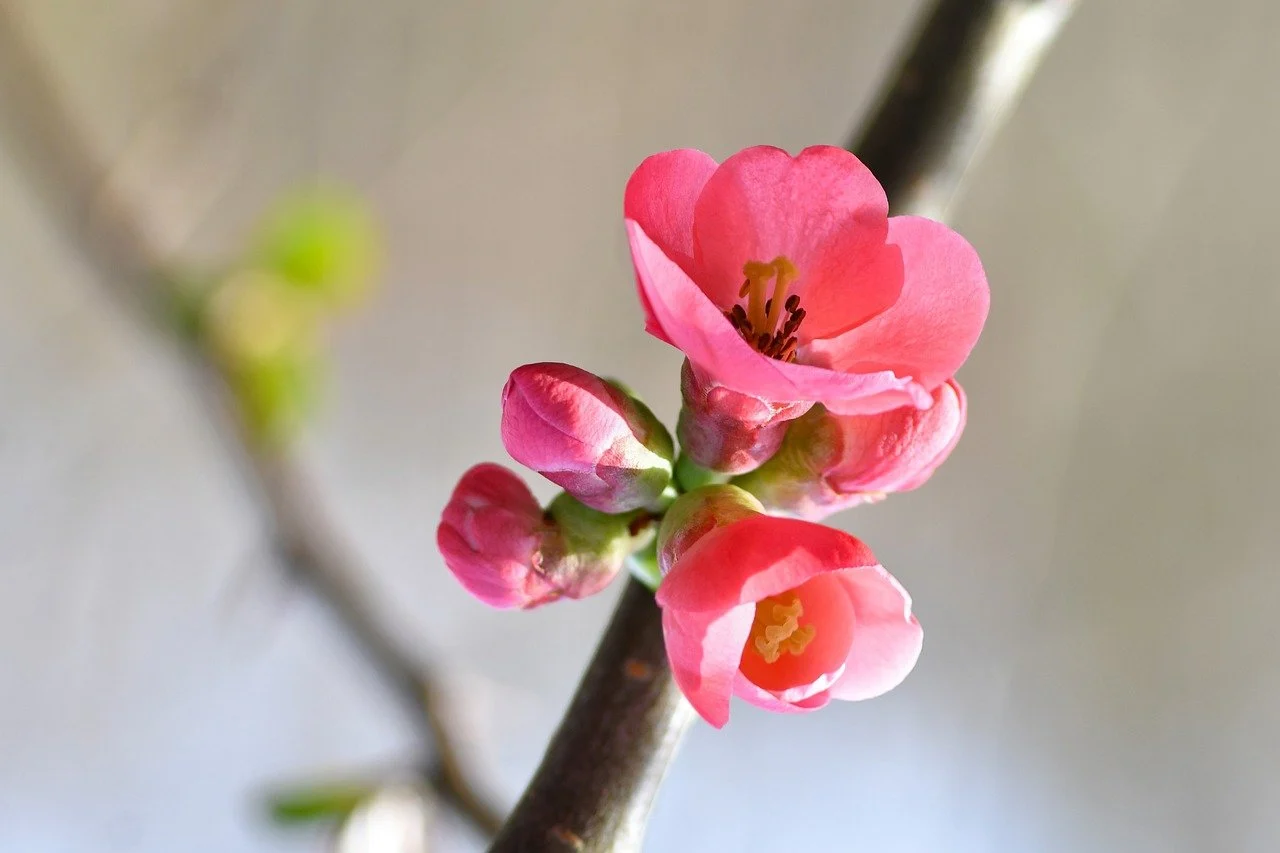
Despite the difficulty, there are recognizable species that meet the criteria perfectly. The most prominent example is the flowering quince found in temperate zones. These shrubs produce vibrant clusters before their leaves fully emerge in spring. They offer an early burst of color when gardens are still waking up.
Another option includes the Cypress vine known scientifically as Quamoclit coccinea. This climbing annual features star-shaped red or pink blossoms throughout the summer. It grows rapidly on trellises and adds vertical interest to small spaces. Gardeners appreciate its ability to attract hummingbirds and butterflies alike.
Detailed care for Quamoclit vines
Cypress vines require full sunlight to maintain their intense bloom cycle. They thrive in warm temperatures but struggle significantly if frost occurs. Water the soil regularly while ensuring it drains well to prevent root rot. Pruning back spent Flowers encourages new growth and extends the blooming period.
Seeds can be sown directly after the last expected frost date passes. Allow plenty of space for the vines to climb over structures effectively. Regular feeding with a balanced fertilizer supports the heavy foliage production needed. Monitor pests like aphids closely since they target the tender stems quickly.
How to identify Queen Anne’s Lace correctly
Wild carrot appears frequently in meadows and roadside ditches across North America. Its flat-topped umbels resemble delicate white lacework against green foliage backgrounds. A single red flower sits at the center of each head to verify identity. This detail distinguishes it from toxic lookalikes like poison hemlock safely.
While often considered a weed, this plant holds historical significance for native gardens. It provides essential nectar sources for beneficial insects during mid-summer months. Harvesting seeds allows you to self-propagate the population without buying supplies. Just ensure you remove any unwanted spreading before seed dispersal occurs.
Many gardeners tolerate this species because it spreads naturally through disturbance. However, invasive potential requires monitoring in areas where biodiversity is fragile. Cutting the heads before they set seed controls expansion within the yard. This practice maintains the aesthetic appeal without eliminating the pollinator habitat.
Navigating care instructions for Quince plants
Flowering quince shrubs generally prefer acidic soil mixed with organic compost material. Plant them in locations receiving morning sun and afternoon shade for best results. Mulch around the base helps retain moisture during hot summer days effectively. Water deeply once a week unless rainfall provides sufficient hydration naturally.
Pruning should happen immediately after flowering finishes to avoid removing next year buds. Remove dead wood and shape the bush to maintain air circulation inside. Fertilize lightly in early spring using a slow-release granular formula type. Watch for signs of fire blight which affects rose family members occasionally.
These hardy plants tolerate urban pollution and compacted soil conditions well. They make excellent choices for hedges or specimen planting near walkways. Disease resistance varies by cultivar so choose locally adapted varieties specifically. Consulting extension agents ensures selection matches your regional climate zone accurately.
Alternatives if you really need a Q name
Sometimes the search for specific letters leads to creative solutions in landscaping. Using monogrammed tags or custom plant markers can simulate the desired effect. Placing a decorative stone labeled with Q near existing blooms creates visual balance. This approach satisfies the thematic requirement without altering the biological inventory.
Artificial flowers provide another route for permanent decoration in window boxes. High-quality silk arrangements never fade or require watering maintenance over seasons. Position them strategically alongside real plants to blend the aesthetics seamlessly. This method works particularly well for entryways needing consistent color all year.
Discussing naming conventions with local florists might reveal hidden gem options available seasonally. Special orders sometimes bring rare specimens to town centers upon request. Patience yields better results than rushing into unsuitable purchases online. Building relationships with suppliers opens doors to unique inventory access points.
FAQ
Are there any rare flowers that start with q besides quince?
Yes, species like Quamoclit and certain orchid genera begin with Q. However, availability in home gardens remains low compared to popular varieties. Researching botanical databases helps identify obscure options suitable for specific climates.
What is the best soil type for growing flowering quince?
Flowering quince prefers well-drained soil with a slightly acidic pH level. Adding organic matter improves texture and nutrient availability significantly. Avoid waterlogged conditions as roots are susceptible to rot in heavy clay.
Can I propagate quince plants from cuttings successfully?
Softwood cuttings taken in late spring often root with high success rates. Use a rooting hormone powder to accelerate development during the initial weeks. Keep humidity levels moderate until the new roots establish firmly in the pot.
Does Queen Anne’s Lace return every year in cold regions?
It acts as a biennial or short-lived perennial depending on local winters. Seeds drop naturally to ensure regrowth the following spring consistently. In freezing zones, mulching protects the crown if the plant survives winter.
