
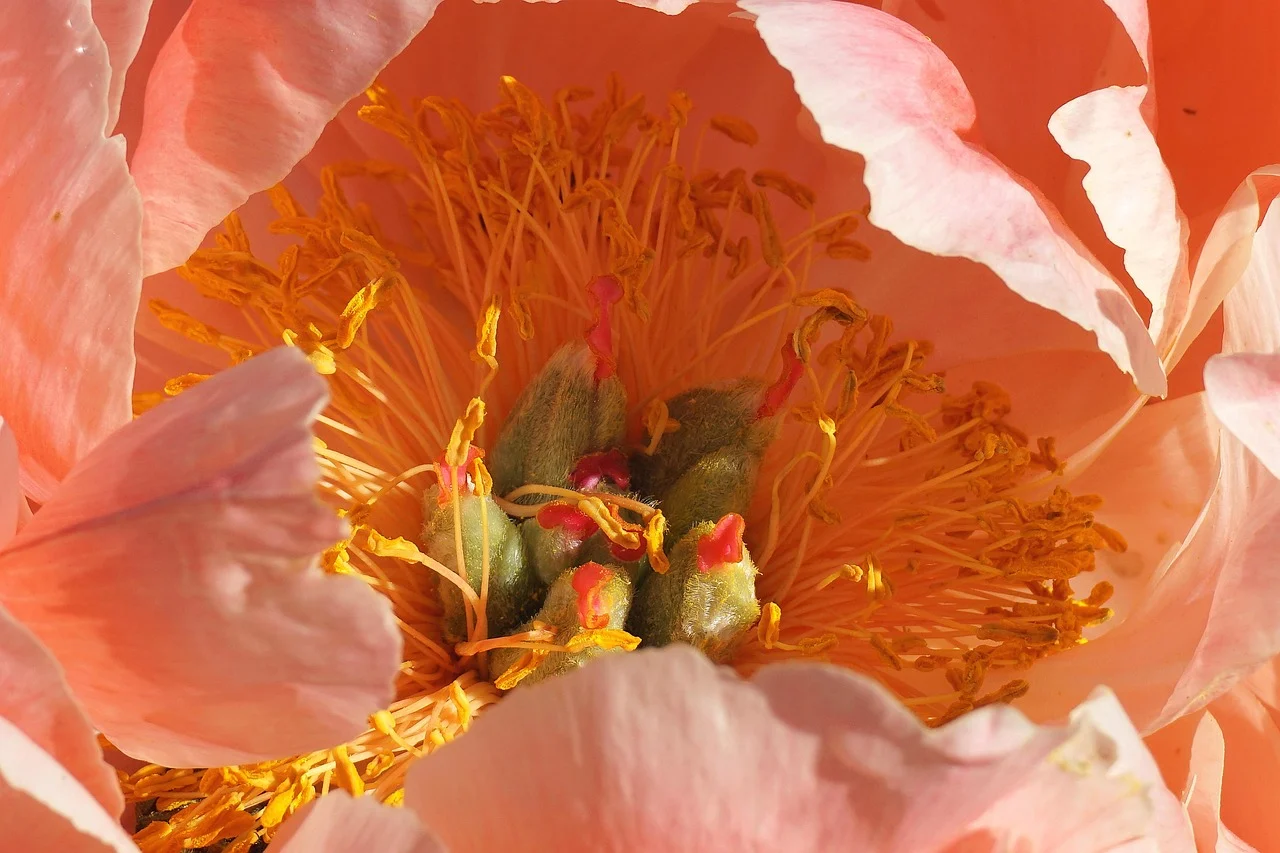
Flowers often carry stories that go beyond their physical beauty, yet many people overlook the deeper messages hidden in delicate petals. When you encounter the peony, you are seeing a symbol rooted in centuries of tradition and distinct cultural narratives. Understanding the meaning of peony flower helps you select the right arrangement for significant life events like weddings or funerals.
Whether given as a gift or planted in your garden, these blooms communicate complex emotions without saying a single word. Their lush layers and soft textures invite admiration, but their historical significance adds weight to every presentation. Knowing why we choose this specific flower changes how we perceive its presence in our daily lives.
Some view them simply as decorative plants, but historians trace their value back to ancient medicinal practices and imperial gardens. This depth ensures that the peony remains relevant even in modern floral design trends and interior styling. It is not merely about aesthetics but about honoring what the bloom stands for throughout history.
Cultural Origins Define the Meaning of Peony Flower
In China, the peony is known as the king of flowers and has been cultivated for over two thousand years. It traditionally symbolizes wealth, honor, and nobility within the imperial court context and traditional art forms. Emperors would display them prominently to showcase power and prosperity during seasonal festivals and important gatherings.
Japanese culture interprets the bloom differently, focusing on bravery and the ability to handle difficult circumstances effectively. Samurai warriors sometimes used the imagery on banners to represent resilience against adversity during battles. These divergent views show how geography and history shape botanical symbolism across different regions.
Victorian England adopted the peony to express shame or bashfulness, a stark contrast to its Eastern roots. Florists during that era coded messages through colors and combinations to communicate secrets between lovers. Today, we blend these historical meanings to create richer arrangements for modern gifting needs.
The spread of these meanings occurred through trade routes and colonial exchanges that moved plants around the globe. As travelers encountered new species, they adapted existing symbols to fit their own cultural frameworks. This evolution continues to influence how florists market these blooms to contemporary consumers today.
How Color Changes the Meaning of Peony Flower
The specific hue you choose alters the message you send to the recipient significantly and directly. Pink peonies are the most common variety and typically represent romance, affection, and a happy marriage. They are a staple choice for bridal bouquets because of their gentle and welcoming appearance.
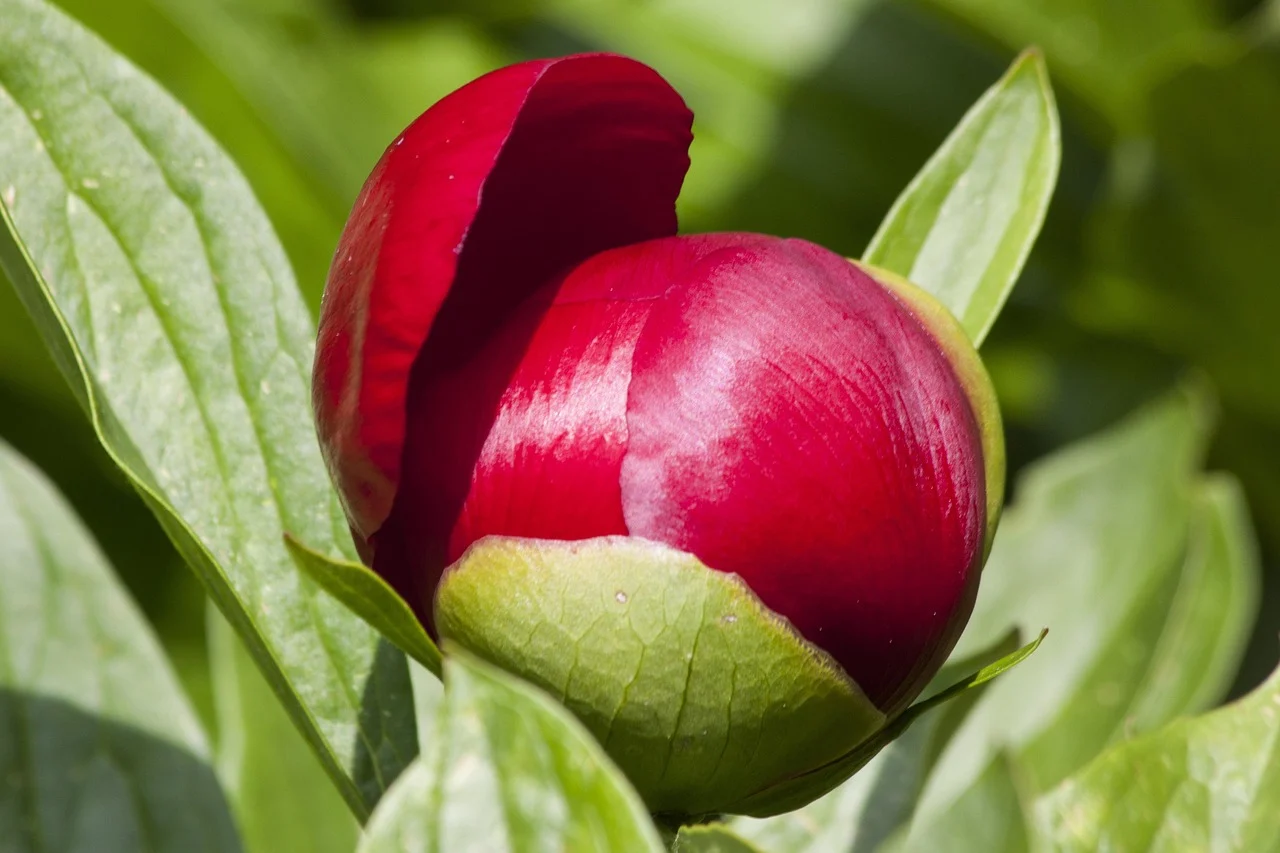
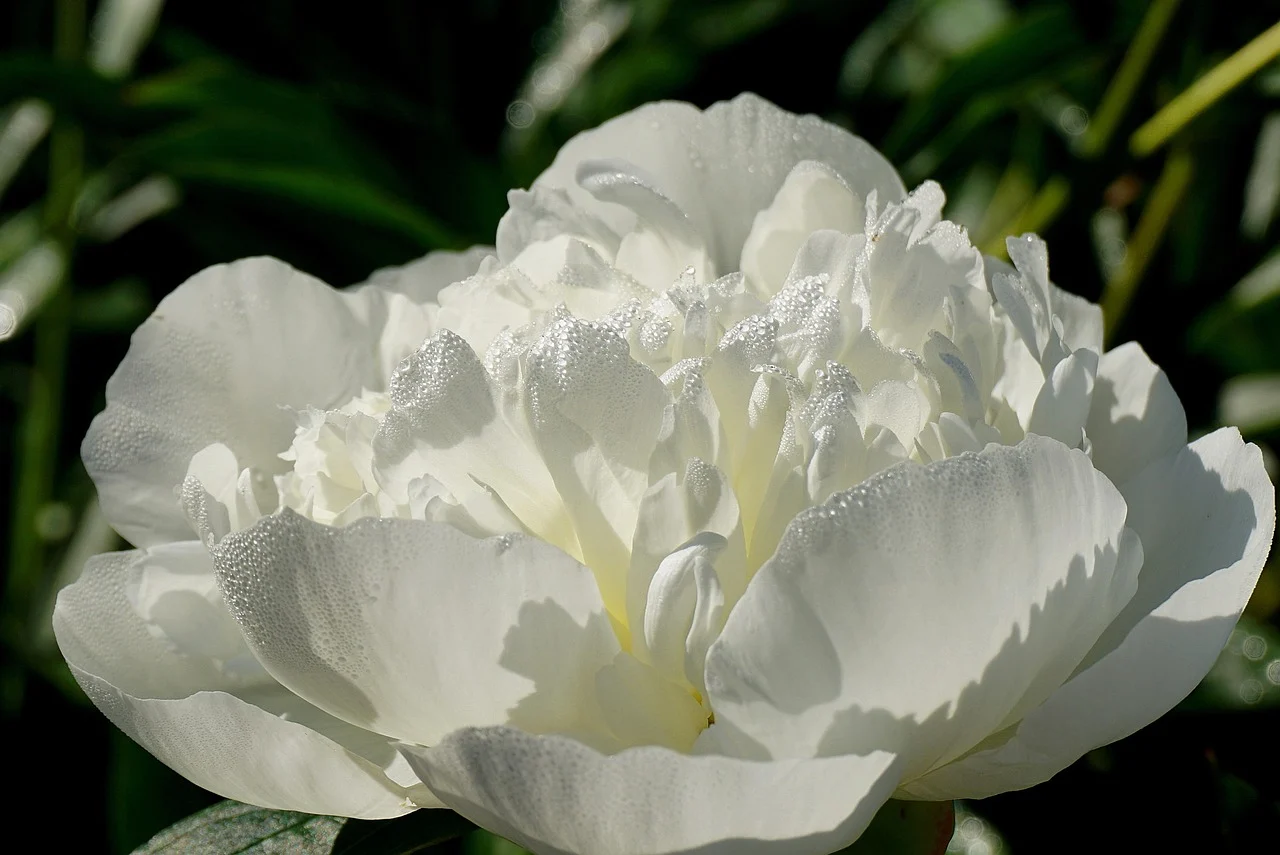
Red varieties convey deep love and respect, making them suitable for expressing serious commitment or sincere apologies. White peonies signify purity and shamelessness, often used in religious ceremonies or to honor ancestors respectfully. Yellow blooms are rarer and suggest joy, friendship, and new beginnings in the spring season.
Choosing the wrong shade might confuse the intent behind your gesture and lead to misunderstandings later. It is essential to match the color psychology with the relationship you share with the person receiving the gift. This attention to detail elevates the thoughtfulness and impact of your presentation significantly.
Hybrid varieties now offer unique shades that combine elements of both passion and peace simultaneously. Gardeners experiment with breeding programs to create tones that appeal to diverse aesthetic preferences worldwide. These innovations provide more options for those seeking specific symbolic messages in their floral displays.
Selecting the Right Occasion for Peonies
These flowers thrive best in celebrations that emphasize growth, union, or recovery from personal hardships. Wedding ceremonies frequently utilize them due to their association with a prosperous married life together for couples. Their fullness suggests a household filled with abundance, happiness, and future potential.
You can also give them to someone recovering from illness as a sign of healing and hope. In some traditions, the plant is believed to ward off bad energy or negative thoughts effectively. This makes them a comforting presence in hospital rooms or private recovery homes alike.
Avoid using them in contexts requiring solemn silence unless the family specifically requests this unusual choice. While beautiful, their vibrant nature demands attention and celebration rather than quiet mourning during services. Always consider the emotional tone of the event before purchasing or arranging them.
Gifting guidelines suggest avoiding dark environments where the flower might lose its visual impact on the guest. Lighting plays a crucial role in how the petals reflect light and color intensity. This factor matters greatly for photography sessions during special daytime events.
Historical Uses Beyond Modern Symbolism
There is a persistent myth that peonies were originally grown only for decoration purposes. Historical records indicate they were valued primarily for their medicinal properties before becoming ornamental favorites. Ancient physicians utilized the root to treat various ailments ranging from inflammation to digestive issues.
Another misconception involves their longevity in the vase life compared to other popular cut flowers. While they do wilt quickly once fully open, buds selected early last quite a long time properly. Proper care techniques can extend their freshness well into the week following purchase dates.
Understanding the difference between folklore and fact prevents miscommunication regarding their intended purpose for recipients. You should rely on verified horticultural data rather than internet rumors when planning your garden or gifts. This approach ensures you maintain accuracy in your knowledge base.
Botanical studies continue to reveal new chemical compounds found within the petals and leaves regularly. Researchers investigate potential applications for modern pharmaceuticals based on traditional usage patterns found globally. This scientific interest keeps the legacy of the plant alive in medical fields today.
Preservation methods allow enthusiasts to keep dried specimens for years without losing their structural integrity. Pressing techniques vary depending on whether you want to maintain the three-dimensional shape or flatten them completely. Collectors often frame these preserved items as lasting memorabilia of past seasons.
Ultimately, the peony serves as a versatile bridge between ancient traditions and modern expression styles. By understanding its layered symbolism, you can communicate more effectively through your floral choices.
Have you ever received a peony arrangement that made you pause to think about its origin?
FAQ
What does a red peony symbolize in terms of emotion?
Red peonies strongly symbolize deep passion, romantic love, and deep respect for the recipient. Unlike other flowers, this specific color conveys intense feelings that words might fail to capture. It is often chosen for anniversaries or apologies to show sincerity and enduring commitment clearly.
How does the meaning change between pink and white varieties?
Pink varieties typically represent romance and a happy marriage, while white signifies purity and innocence. The shift in meaning depends on the recipient’s cultural background and the specific occasion. Selecting the correct shade ensures your message aligns with the intended sentiment accurately.
Is it appropriate to give peonies for a funeral?
Generally, peonies are considered inappropriate for funerals due to their association with celebration and wealth. However, some families may accept them if they loved gardening or grew them personally. Always consult the immediate family members before sending flowers to avoid causing unintended offense.
