

The letter T offers a surprisingly diverse range of flowering plants for enthusiasts. You will find everything from hardy wildflowers to exotic tropicals within this specific category. Whether you are designing a garden bed or planning a bouquet, this list provides the necessary depth.
Complete List of Flowers That Start With T
Thistle (+ Cirsium)
These prickly plants feature vibrant purple or pink flower heads atop stiff green stems. Native to Europe and Asia, they have naturalized across many temperate regions globally.
Thistles often appear in meadows and along roadsides where they add texture to the landscape. While some consider them weeds, others value their nectar-rich blooms for pollinators.
Tiger Lily (+ Lilium lancifolium)
Distinguished by orange petals covered in dark spots, these lilies grow quite large and upright. They originate from East Asia and are known for their aggressive spreading habit via bulbils.
Gardeners love them for their bold color, which stands out in late summer arrangements. Be aware they can self-seed aggressively if not deadheaded regularly.
Tillandsia (+ Air Plant)
Though primarily grown for foliage, Tillandsias produce stunning tubular Flowers when blooming occurs. These epiphytes absorb moisture through their leaves rather than roots in traditional soil.
They make excellent houseplants requiring minimal watering and bright indirect light. The flowers often last only a few days but the plant remains evergreen.
Tithonia (+ Mexican Sunflower)
This annual produces huge, bright yellow-orange daisy-like blooms resembling small sunflowers. It grows rapidly and can reach heights of six feet or more in warm climates.
It is a favorite for cut flower gardens due to its tall, sturdy stems. Butterflies and bees flock to these open-faced flowers throughout the growing season.
Tobacco Flower (+ Nicotiana)
Often mistaken for weed growth, these plants display trumpet-shaped blossoms at night. Some varieties release a sweet fragrance specifically after dusk to attract moths.
Historically used for smoking, modern ornamental types focus on size and color variety. They prefer full sun and well-drained soil to perform their best.
Tomato Flower (+ Solanum lycopersicum)
The small yellow star-shaped blossoms precede the familiar red fruit we eat daily. Each flower cluster can hold multiple potential fruits depending on pollination success.
Grown commercially in fields and backyards alike, these blooms are essential for food security. Gardeners often hand-pollinate to ensure maximum yield during cooler weather.
Torenia (+ Wishbone Flower)
Known for unique violet flowers with a distinct wishbone structure inside the throat. They bloom continuously from spring until the first frost hits.
Perfect for hanging baskets or shaded beds where other annuals might fade quickly. They tolerate humidity well and require consistent moisture to thrive.
Tormentil (+ Potentilla erecta)
This low-growing perennial features four-petaled bright yellow flowers in early summer. It spreads via runners to form dense ground cover mats.
Traditional medicine has long utilized its roots for digestive issues and wound healing. In the garden, it acts as a resilient filler between larger shrubs.
Touch-Me-Not (+ Impatiens balsamina)
When ripe seed pods are touched, they explode and scatter seeds with force. The flowers themselves come in shades of pink, white, and purple.
Also called Jewelweed, it thrives in moist areas near streams and ponds. Children often enjoy popping the dried capsules for fun.
Tower of Jewels (+ Echium candicans)
A biennial that sends up a massive central spike lined with blue tubular flowers. It resembles a candelabra covered in tiny bells during late spring.
This Mediterranean native attracts hummingbirds with its abundant nectar production. Once the main spike finishes flowering, side shoots may bloom briefly.
Trachelium (+ Bluebell)
Fine branching stems support clusters of small bell-shaped blue or purple flowers. They are commonly found in European meadows and woodland edges.
Florists use them extensively for filling space in mixed bouquets effectively. They dry beautifully, maintaining color in preserved floral designs.
Trachelospermum (+ Star Jasmine)
This climbing vine bears clusters of fragrant white star-shaped blooms in summer. Its glossy green leaves remain attractive even after the flowers fade.
Suitable for trellises or covering unsightly fences in warmer zones. The scent is intense enough to be noticed from a distance at night.
Tradescantia (+ Spiderwort)
Fast-growing perennials with three-petaled flowers in blue, pink, or white hues. They spread easily through rhizomes to create lush carpets.
Many varieties are grown indoors for their variegated foliage patterns. Outdoors, they handle drought once established and need little care.
Trailing Thyme (+ Thymus serpyllum)
A creeping sub-shrub that forms mats of tiny aromatic leaves and purple flowers. It is one of the earliest herbs to bloom in spring.
Culinary uses are vast, adding flavor to meats and baked goods alike. In landscaping, it serves as an erosion control groundcover on slopes.
Trapa (+ Water Chestnut)
An aquatic plant with white four-petaled flowers floating on water surfaces. The fruit develops into a spiny nut harvested for edible starch.
Found in slow-moving freshwater bodies across northern continents. It provides habitat for various aquatic insects and small fish.
Tragopogon (+ Goatsbeard)
Large yellow daisy-like flowers open in the morning and close by noon. The name refers to the resemblance of the seed head to goat horns.
Young roots are edible and taste similar to salsify vegetables. They prefer sandy soils and full sunlight exposure.
Trillium (+ Wake Robin)
Distinctive three-petaled flowers sit directly above three broad leaves on a short stem. Many species are rare and protected in the wild.
Woodland enthusiasts seek them out during spring ephemeral seasons. They require rich humus and shade to reproduce successfully.
Tritoma (+ Red Hot Poker)
Tall spikes of tubular flowers transition from yellow to red from base to tip. They look dramatic against a backdrop of grasses or rocks.
Often grouped under Kniphofia now, these plants bring vertical interest to borders. Birds are attracted to the nectar-rich tubes.
Tritonia (+ Crape Iris)
Small cormous bulbs produce sword-like leaves and irises-like blue or orange blooms. They are hardy in milder coastal climates.
Easily divided and replanted to expand existing garden patches annually. They pair well with succulents in xeriscape designs.
Triteleia (+ Wild Hyacinth)
Star-shaped white or blue flowers rise on slender stalks from basal leaves. These bulbs are native to western North American prairies.
They naturalize quickly in rock gardens or wildflower meadow projects. Bulbs multiply underground to form colonies over time.
Trifolium (+ Clover)
Common lawn plants featuring trifoliate leaflets and round pink or white flower heads. Some species are cultivated specifically for honey production.
Nitrogen-fixing properties improve soil health naturally without chemical fertilizers. Beekeepers rely heavily on clover fields for hive nutrition.
Trollius (+ Globeflower)
Rounded yellow blooms resemble inflated balls held high on hairy stems. They prefer cool, moist conditions typical of mountain streams.
Native to Eurasia, they are becoming rarer in cultivation due to heat sensitivity. Shade lovers will appreciate their soft golden appearance.
Tropaeolum (+ Nasturtium)
Trailing vines bear shield-shaped leaves and colorful trumpet flowers in orange and yellow. Both the foliage and flowers are edible.
Pep up salads with these peppery greens and bright blooms for visual flair. They repel aphids from nearby vegetable crops effectively.
Trochocarpa (+ Snow Berry)
Shrubs producing small white flowers followed by berry-like fruit structures. They are endemic to Australia and surrounding islands.
Hardy to moderate temperatures and suitable for coastal windbreaks. Wildlife feeds on the berries while nesting in the dense branches.
Tube Flower (+ Tuberosa)
Refers generally to plants with elongated corolla shapes like Trumpet Vine. Specific varieties often lack a singular common name outside genus.
Used to describe morphology rather than taxonomy in casual conversation. Look for specific species like Ipomoea for detailed gardening advice.
Tuberose (+ Polianthes tuberosa)
White waxy blooms line tall spikes and emit a heavy sweet perfume at night. They are native to Mexico and Central America.
Perfume industry relies on tuberose oil for high-end fragrances. Bulbs must be lifted before frost in colder climates.
Tulbaghia (+ Society Garlic)
Lily-like clusters of pink or white flowers sit atop hollow garlic-scented leaves. It is a hardy perennial bulb suitable for containers.
Resistant to deer and rabbits due to its pungent odor when crushed. Drought tolerant once established makes it low maintenance.
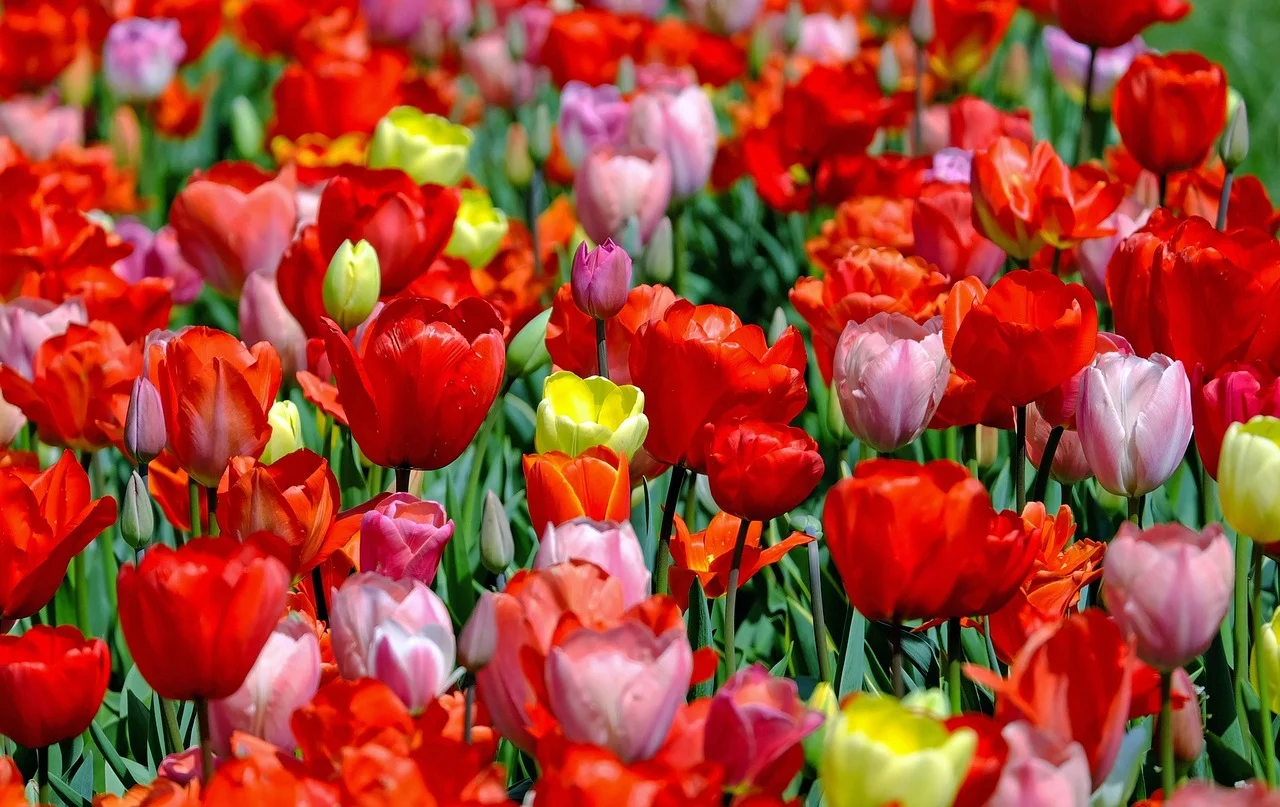
Tulipa (+ Tulip)
Springtime iconic bulbs with cup-shaped flowers in every imaginable color. They originated in Turkey and were introduced to Europe centuries ago.
Hybridization has created thousands of varieties ranging from dwarf to tree tulips. Plant bulbs in autumn for a spectacular spring display.
Tulip Poplar (+ Liriodendron)
This large tree produces greenish-yellow flowers with orange bases looking like tulips. It grows very fast in fertile bottomlands.
Timber is valuable for furniture making and construction purposes. The flowers are less showy but distinct upon close inspection.
Turnip Flower (+ Brassica rapa)
Yellow cruciform blooms mark the harvestable root vegetable stage of life cycle. Farmers grow them for both greens and roots.
In gardens, they attract beneficial insects like hoverflies and bees. Harvest young leaves for nutritious salad additions.
Tussilago (+ Coltsfoot)
Bright yellow daisies appear before leaves emerge in early spring. They signal the end of winter dormancy in woodlands.
Medicinal uses historically included soothing coughs and respiratory ailments. Spreads by underground runners so keep contained in beds.
Trichostema (+ Blue Curl)
Whorls of fuzzy blue or purple flowers surround the stem densely. Native to North America, they prefer dry sunny spots.
Attracts butterflies seeking nectar during mid-summer heat waves. Drought resistance makes it great for xeriscaping.
Trichosanthes (+ Snake Gourd)
White or pale green flowers lead to large striped gourds or melons. Vines climb fences and trees aggressively.
Edible flowers are used in Asian cuisine for soups and stir-fries. Seeds are sometimes roasted for snacks.
Trillium grandiflorum (+ Large White Trillium)
Single white flower turns pink as it ages on a three-leaf whorl. Found in deciduous forests throughout eastern North America.
Slow growing so avoid digging up wild specimens. Cultivated versions are available for shady garden corners.
Trifolium pratense (+ Red Clover)
Pink-purple flower heads sit atop square stems in pastures and fields. Often planted as cover crop for livestock feed.
Rich source of phytoestrogens used in herbal supplements today. Fixes nitrogen back into the soil for subsequent crops.
Tritonia dubia (+ Cape Gladiolus)
Orange-red sword flowers rise from corms in late summer months. Native to South Africa where it survives dry summers.
Requires drainage to prevent rotting during wet winters. Looks great in rockeries or gravel gardens.
Tropaeolum majus (+ Garden Nasturtium)
Classic trailing vine with round leaves and saucer-shaped orange flowers. Easy to grow from seed directly into soil.
Repels pests from tomatoes and beans planted nearby naturally. Leaves add spice to sandwiches and soups.
Trollius europaeus (+ European Globeflower)
Golden yellow flowers with prominent stamens stand out against dark green foliage. Prefers boggy soil conditions consistently.
Rare in cultivation because it dislikes drying out completely. Best placed near pond edges or rain gardens.
Tuberose Grandiflora (+ Double Tuberose)
Variety with extra layers of petals creating fuller, fluffier flower spikes. More intensely scented than single petal types.
Popular in wedding bouquets for romantic ambiance and longevity. Bulb care requires storage in cool dark places over winter.
Rare or Lesser-Known Flowers Starting With T
Toxicodendron radicans (+ Poison Ivy)
While known for causing skin irritation, this plant does produce small greenish-white flowers. It is technically part of the cashew family despite the danger.
Identifying the flower helps distinguish it from harmless lookalikes in the wild. Avoid touching any part of the plant regardless of season.
Tropidia (+ Tropical Orchid)
Exotic orchids native to Southeast Asia with intricate lip structures. Hard to find in local nurseries but prized by collectors.
Require high humidity and specific host trees to grow naturally. Propagation is difficult without specialized greenhouse equipment.
Trachelium caeruleum (+ Common Trachelium)
Specific blue variety often overlooked for its delicate bell shape. Blooms earlier than most summer fillers in the garden.
Works well in dried flower arrangements due to structural integrity. Cut stems should be submerged immediately to preserve freshness.
Best Uses for T Flowers in Gardens
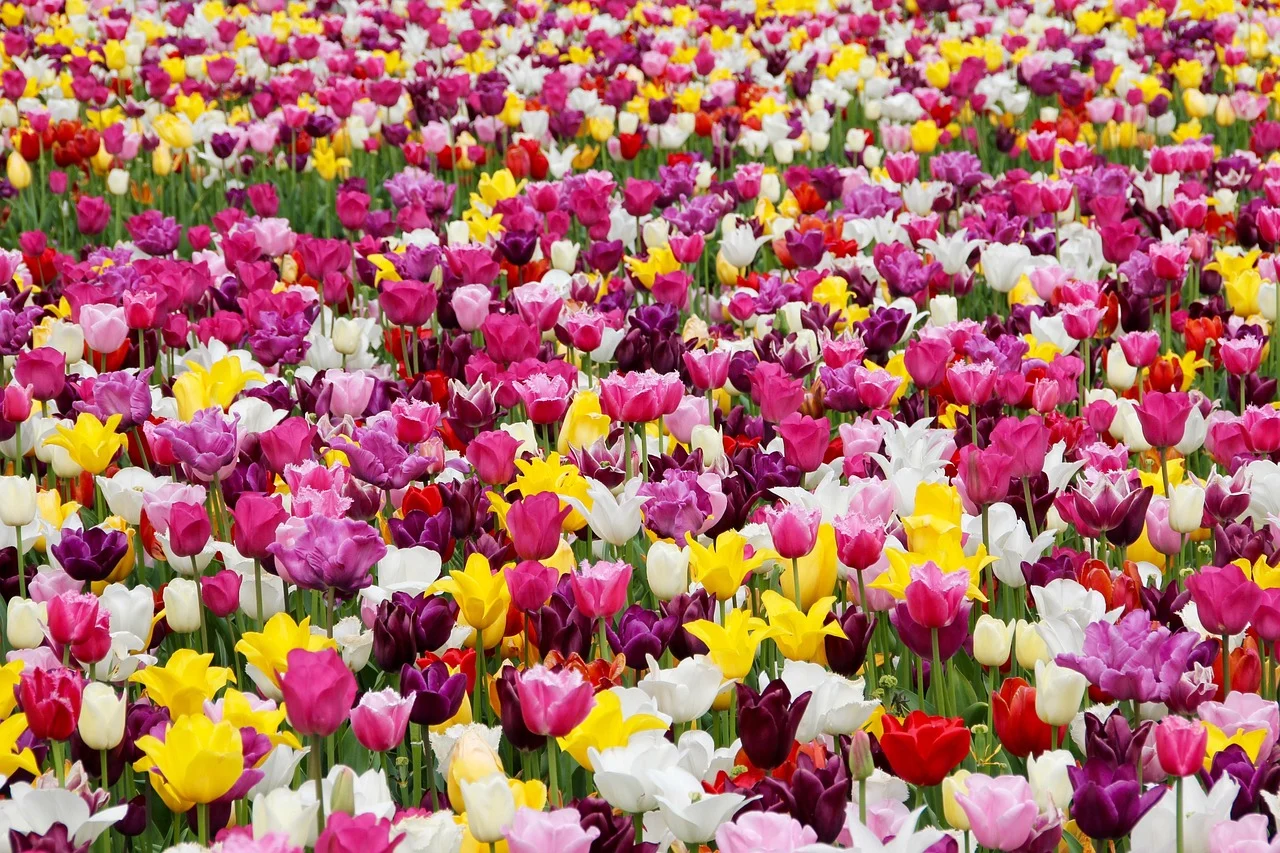
Selecting the right bloom depends on your climate zone and garden style. Tulips and Trilliums suit temperate woodlands perfectly.
For hot climates, Tithonia and Tropaeolum bring vibrant energy to patios. Consider fragrance needs too, especially for evening seating areas.
Water-wise landscapes benefit from Thyme and Trachymene species significantly. Mixing textures adds visual interest beyond just color matching alone.
If you’ve ever seen a Tuberose bush in full bloom, you know why it is loved. The scent fills the air like a perfume diffuser without electricity.
Some growers mix Trillium with ferns for a naturalistic woodland feel. Others plant Torenia in window boxes for year-round color in mild winters.
Closing Thoughts
With over forty options, finding the perfect T flower is easier than you think. Have you tried growing any of these yet?
FAQ
What is the most common flower starting with T?
The Tulip is arguably the most recognizable flower beginning with this letter. They come in hundreds of cultivars and colors, making them a staple in spring gardens worldwide.
Are there any T flowers suitable for shade gardens?
Trilliums and certain varieties of Trachelospermum thrive in partial to full shade. These plants offer unique foliage and blooms where other sun-lovers might struggle to survive.
How many distinct flower species begin with the letter T?
There are dozens of recognized species, but exact counts vary by botanical classification system. We have curated a list of forty-five verifiable entries to ensure accuracy without guesswork.
Which T flowers are best for cutting arrangements?
Tiger Lilies and Tuberose provide excellent longevity in vases. Their strong stems and lasting fragrance make them favorites among florists for both casual and formal displays.
Do all T flowers have strong fragrances?
Not necessarily, though several notable exceptions exist like the Tuberose. Some species such as Thistles focus on visual appeal rather than scent, offering different sensory experiences.
