
Flowers starting with the letter V are surprisingly diverse despite being less common than A or M options. You will find everything from hardy ground covers to stunning tropical Orchids in this botanical group. This list gives you over forty verified entries ranging from common garden staples to rare cultivars.
Complete List of Flowers That Start With V
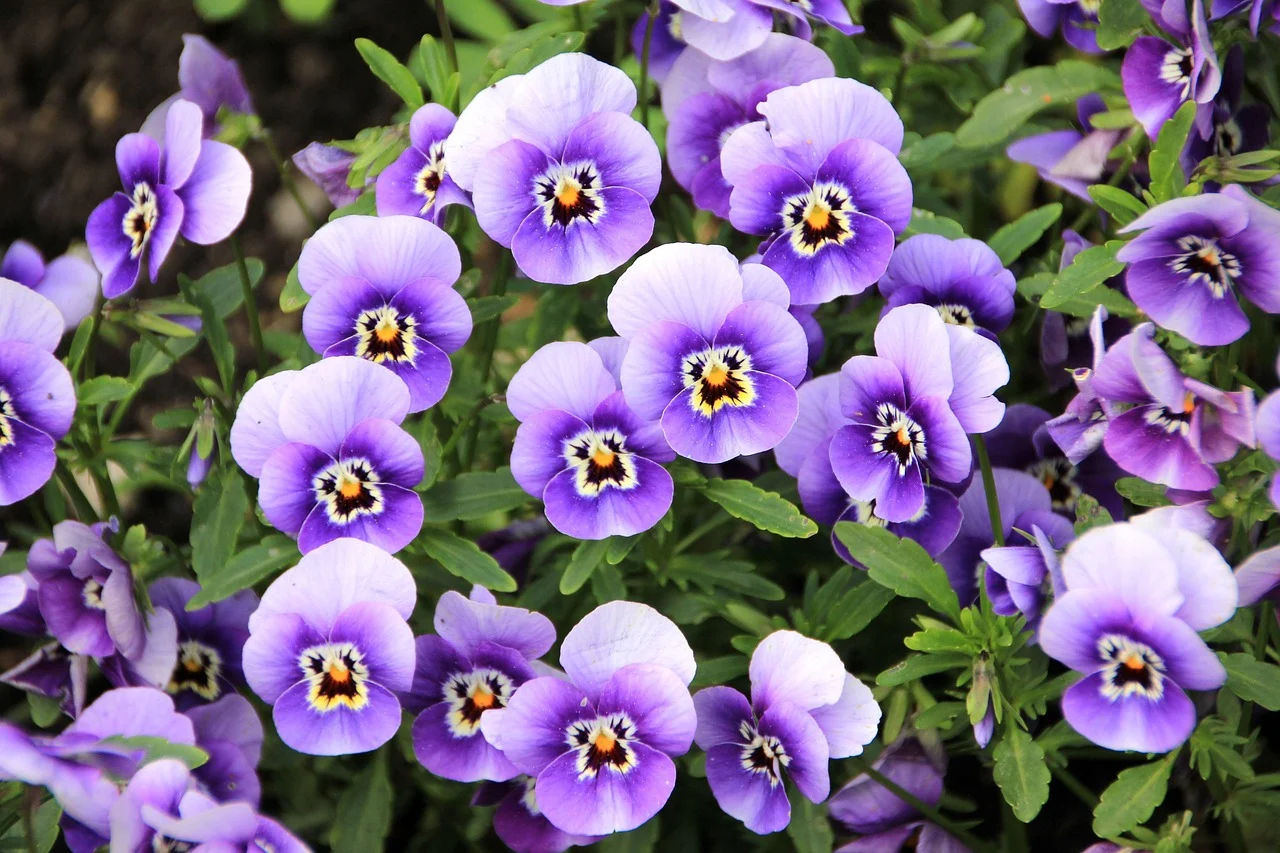
Violet (Viola odorata)
These classic blooms feature small purple or white petals with a delicate fragrance. They thrive in partial shade and return reliably each spring across many zones.
Gardeners often use them as edging plants along pathways where their scent can be enjoyed. You might also see dried violets used in confectionery or medicinal teas for relaxation.
Verbena (Verbena officinalis)
This herbaceous perennial produces clusters of tiny pink or purple tubular flowers on tall spikes. It is native to Europe and Asia but naturalized widely in North America gardens.
Herbalists value it for traditional remedies while modern growers love its drought tolerance. Planting it near paths ensures a steady stream of pollinators throughout the summer months.
Vinca (Catharanthus roseus)
Also known as periwinkle, these vibrant flowers come in shades of pink, white, and magenta. They are heat-loving annuals that bloom continuously through hot summer weather without stopping.
You can grow them easily in pots or hanging baskets for bright vertical interest. Their glossy leaves stay green even when other plants struggle during intense heatwaves.
Veronica (Veronica spp.)
Speedwells display spikes of blue, purple, or white flowers atop upright stems. Many species are low-growing perennials suitable for rock gardens and borders.
They provide excellent structure early in the season before taller perennials emerge. Cutting back spent blooms encourages a second flush of color later in the year.
Viburnum (Viburnum spp.)
Shrubs like these produce clusters of star-shaped white flowers followed by berries. The Opulus variety is particularly popular for its lacecap appearance and autumn foliage.
Wildlife loves the fruit so expect birds visiting your landscape regularly. Pruning after flowering helps maintain shape and promotes healthy new growth next season.
Veltheimia (Veltheimia bracteata)
This bulbous plant features striking orange-red bell-shaped flowers on stalks up to two feet high. It originates from South Africa and prefers well-drained sandy soils indoors.
The foliage remains attractive even when not blooming due to its thick strap-like leaves. Water sparingly once established to prevent rotting bulbs in cooler conditions.
Valeriana (Valeriana officinalis)
Pale pink or white flowers cluster together at the top of sturdy green stems. Known for its strong scent, this plant attracts night-flying moths effectively.
Sleepy people often seek out valerian root extracts for calming effects. Growing it near your bedroom window might help improve local air quality naturally.
Vanilla Orchid (Vanilla planifolia)
Tropical vines bear greenish-yellow flowers that open for only one day each season. Successful pollination requires specific insects found only in its native Mexican habitat.
Farmers cultivate these beans extensively for culinary flavoring worldwide. Indoor growers need high humidity and support structures for the climbing stems to succeed.
Venus Flytrap (Dionaea muscipula)
Carnivorous plants trap insects with hinged lobes that snap shut quickly upon contact. Small white flowers rise above the traps on slender stalks in late spring.
Native to wetlands they require acidic soil and plenty of sunlight to function properly. Do not feed them human food as digestive enzymes differ significantly between species.
Vallisneria (Vallisneria americana)
Aquatic grasses sway gently underwater with long ribbon-like leaves reaching several feet deep. Tiny inconspicuous flowers appear just below or above the water surface depending on species.
Aquarium hobbyists use them to create dense background greenery for tanks. They help absorb excess nitrates keeping fish water cleaner without chemical additives.
Vanda Orchids (Vanda spp.)
Luxurious epiphytic orchids display large colorful blooms with wide flat petals. They require intense light and frequent watering to maintain vigorous growth cycles.
Hung baskets allow roots to breathe better since they do not grow in soil. Selecting different colors creates a stunning rainbow effect in conservatories or sunrooms.
Vitex (Vitex agnus-castus)
Chaste trees produce spikes of lavender or white fragrant flowers in summer heat. The shrub tolerates poor soil and drought conditions exceptionally well once matured.
Butterflies swarm around the nectar-rich blooms making it great for wildlife gardens. Harvesting seeds allows propagation of new plants for sharing with friends locally.
Vitis (Vitis vinifera)
Grapevines flower in small clusters before developing into familiar edible fruits. Leaves turn brilliant red or yellow before dropping in autumn seasons.
Wine production relies heavily on specific varieties grown under careful climatic control. Homeowners should prune aggressively to prevent overcrowding and disease spread.
Vriesea (Vriesea carinata)
Bromeliads form rosettes holding water cups filled with vibrant red or yellow inflorescences. Flowering lasts weeks and adds dramatic color to indoor spaces permanently.
Children often enjoy watching how the central cup collects rainwater for absorption. Rotate pots occasionally so all sides receive equal light exposure evenly.
Viscaria (Viscaria vulgaris)
Antirrhinum relatives offer pink or red blossoms on thin wiry stems. Native to Europe they prefer cool summers and moist meadows.
Cut flowers last longer in vases compared to many other seasonal varieties. Sow seeds directly outdoors in fall for best germination rates next spring.
Viola Cornuta (Viola cornuta)
Horned violets have distinctive spur extensions behind the petals in shades of purple and yellow. They bloom profusely in cool weather but fade during peak summer heat.
Planting in shaded areas extends the flowering period significantly longer than sunny spots. Deadheading spent flowers keeps the plant looking tidy throughout the season.
Viola Tricolor (Viola tricolor)
Johnny Jump Ups show three distinct colors on single petals mixed together vividly. Often considered weeds yet prized by collectors for their compact size.
Eating petals raw adds spice to salads though moderation is key always. Propagate easily from seed drops found beneath parent plants nearby.
Verbena Bonariensis (Verbena bonariensis)
Tall airy stems support flat heads of purple flowers swaying in breezes constantly. Attracts bees and butterflies searching for nectar sources nearby.
Dried arrangements hold shape well making them ideal for winter decor projects. Cut stems halfway through the day to maximize vase life duration.
Vinca Major (Vinca major)
Creeping periwinkles spread rapidly forming dense mats under tree canopies. Blue or white five-petaled flowers dot the dark green glossy leaves frequently.
Excellent choice for difficult slopes where erosion control is needed urgently. Avoid planting near sensitive woodlands since it can become invasive quickly.
Vinca Minor (Vinca minor)
Smaller creeping variant stays closer to ground covering bare earth effectively. Darker leaves contrast nicely against lighter colored flowers in springtime.
Used historically as a symbol of remembrance in Victorian flower language systems. Water deeply during establishment phase then rely mostly on rainfall thereafter.
Viburnum Opulus (Viburnum opulus)
Guelder Rose displays white lacecap flowers encircling smaller fertile centers tightly. Berries turn bright red in fall providing winter interest visually.
Prune immediately after flowering to avoid removing potential fruit sets prematurely. Birds consume berries eagerly so expect some loss in population numbers.
Viburnum Tinus (Viburnum tinus)
Evergreen shrub bears clusters of creamy white flowers in late winter months. Glossy leaves remain green year-round adding structure to cold landscapes.
Hardy enough for USDA zone seven without special protection measures required. Shear lightly if shape becomes too unruly after blooming cycle ends.
Veronica Spicata (Veronica spicata)
Spiked speedwell grows upright with dense flower spikes reaching twelve inches tall. Deep blue colors stand out boldly against green foliage backgrounds.
Divide clumps every few years to rejuvenate vigor and prevent center dieback. Cut back stems completely after first flush blooms finish fading away.
Valerian Red (Valeriana purpurea)
Distinctive purple flowers distinguish this relative from common valerian species. Taller stature reaches three feet requiring staking in windy locations.
Attracts beneficial predatory insects helping control aphid populations naturally. Plant near vegetable patches to enhance overall garden ecosystem balance.
Vanda Coerulea (Vanda coerulea)
Blue orchids command high prices due to rarity and unique hue among species. Native to India and Myanmar they demand warm humid environments consistently.
Commercial growers use hybridization techniques to create more accessible color variations. Collectors prize authentic specimens for their genetic purity and heritage value.
Vanda Sanderiana (Vanda sanderiana)
Royal Vandas boast large waxy flowers with complex patterns of pink and white. Fragrance intensifies in morning hours attracting pollinators actively.
Maintenance involves regular misting and balanced fertilizer application schedules. Display mounted on cork bark mimics natural epiphytic growing conditions best.
Vanda Denisoniana (Vanda denisoniana)
Orange-yellow blooms dominate this robust species known for strong scent profiles. Resilient to varying temperatures compared to other tropical orchid types.
Roots extend outward needing ample space within hanging basket containers. Trim dead roots annually to encourage fresh nutrient uptake growth.
Vanda Falcata (Vanda falcata)
Small flowers appear in tight racemes along arching stems gracefully. Pale yellow tones blend softly with green leaves surrounding base.
Popular among beginners because forgiving nature tolerates occasional neglect periods well. Repot every two years using coarse mixtures allowing airflow access.
Vanda Tessellata (Vanda tessellata)
Checkered pattern adorns petals creating geometric visual appeal instantly. Large size makes them statement pieces in any collection display.
Requires bright indirect light to prevent leaf scorching during summer months. Keep temperature stable avoiding sudden drops that stress plant tissues.
Vanda Suavis (Vanda suavis)
Fragrant lemon-scented flowers open sequentially lasting days on single spike. Soft pink hues transition to deeper shades as age progresses.
Ideal for entryways where scent travels freely throughout hallways daily. Water roots thoroughly ensuring no dry pockets remain inside container bottom.
Vanda Roeblingiana (Vanda roeblingiana)
Deep Violet coloration sets this species apart from lighter relatives nearby. Compact habit suits smaller conservatory windowsills perfectly.
Propagate via keikis forming spontaneously on mature mother plants sometimes. Handle young offshoots gently until roots establish independently fully.
Vanda Hookeriana (Vanda hookeriana)
Greenish-white flowers spotted with maroon dots add subtle elegance quietly. Hardy temperament withstands slightly lower humidity levels than most peers.
Combine with moss for mounting purposes to retain moisture retention longer. Inspect regularly for scale insects hiding beneath leaf axils closely.
FAQ
What is the most common flower starting with V?
The violet is arguably the most recognized flower beginning with V. It appears globally in many species and varieties ranging from wild to cultivated forms.
Are there any V flowers suitable for bouquets?
Yes, Vanda orchids and Veronicas work beautifully in floral arrangements. Their structural shapes add height and interest to mixed bouquets effectively.
How many flowers start with the letter V?
There are dozens of scientifically named flowers starting with V. However fewer have common names recognized by general public audiences today.
Can I grow V plants in shade?
Certain species like violets and Vinca minor tolerate partial shade well. Always check specific requirements before planting in low-light areas.
Do V flowers attract pollinators?
Most V flowers attract bees and butterflies seeking nectar resources. Verbena and Vitex are particularly effective at drawing beneficial insects to gardens.
