
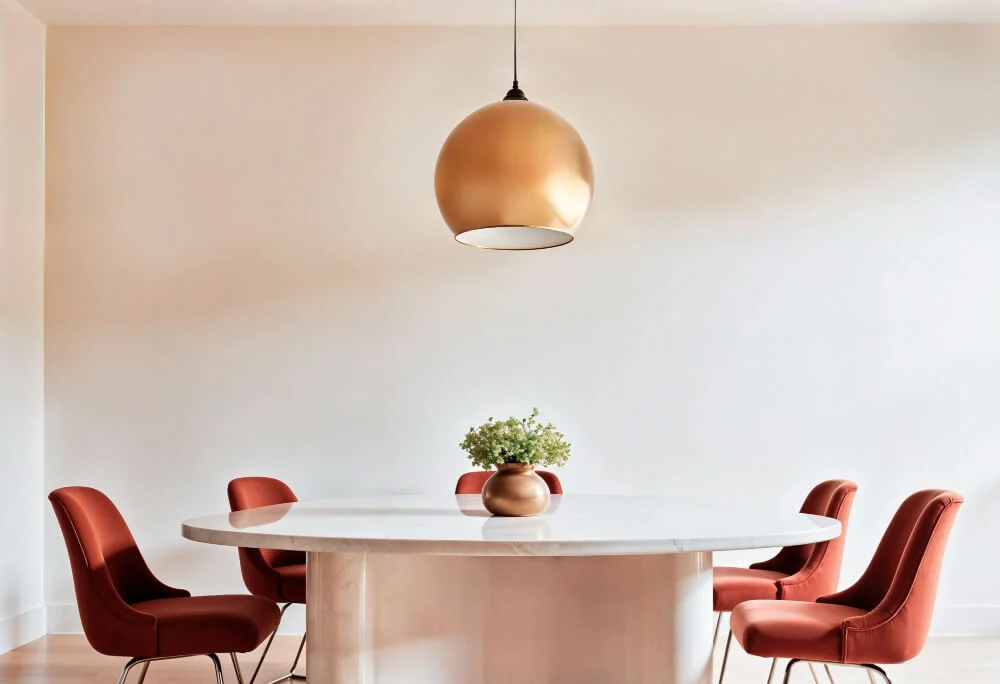
The dining room is more than just a place to eat; it is a vital hub for connection, nourishment, and family bonding. In the ancient Chinese art of Feng Shui, the energy of your dining space significantly impacts your health, wealth, and relationships. By applying thoughtful feng shui principles to your dining room, you can transform it into a sanctuary that fosters positive energy, abundance, and joyful gatherings. This comprehensive guide will explore the essential feng shui dining room rules and ideas to help you cultivate a harmonious and prosperous environment.
10 Essential Feng Shui Dining Room Principles
Creating a perfect dining room for feng shui involves careful consideration of various elements, from furniture placement to color choices. Here are key principles to guide you:
1. Choose the Best Dining Table for Feng Shui

The dining table is the heart of your dining room, and its shape and material are crucial for good energy flow. For optimal feng shui, a round dining table or an oval table is highly recommended. These shapes encourage smooth, continuous energy, promoting equality and conversation among those seated. They also prevent any sharp corners from pointing at individuals, which can create subconscious tension.
- Round Dining Table: Symbolizes continuity and harmony, perfect for family unity.
- Oval Table: Offers similar benefits to a round table while potentially accommodating more people.
- Material: A wooden dining table for feng shui is generally preferred. Wood represents the element of growth and nourishment, bringing a warm, stable, and natural energy into the space. Avoid glass tables if possible, as they can represent transparency and a lack of grounding, potentially “seeing through” your abundance.
- Size: Ensure the dining table is appropriately sized for the room, allowing comfortable movement around it.
2. Strategic Dining Table Position
The placement of your dining table is paramount for good feng shui dining room layout. A poorly positioned table can disrupt energy flow and impact the dining experience. Here is how to position dining table feng shui:
- Central Location: Ideally, the dining table should be centrally located in the room, making it the focal point and ensuring easy access from all sides.
- Avoid Direct Alignment: Do not place the dining table in a direct line with the main door or the kitchen door. This can cause energy to rush out of the room, symbolizing wealth escaping. If unavoidable, use a screen or plant to create a subtle barrier.
- Supportive Backing: It is best for no one to sit with their back directly facing the main entrance or a window without a solid wall behind them. A solid wall provides support and security.
- Under Beams: Avoid placing the dining table directly under exposed beams. Beams can create oppressive energy (sha chi), leading to discomfort or arguments. If beams are present, consider covering them or using fabric to soften their impact.
3. Embrace the Power of Mirrors in Your Dining Room
Mirrors in feng shui dining room decor are powerful tools for amplifying abundance and positive energy. When strategically placed, a mirror can reflect the dining table, doubling the food and symbolic wealth.
- Reflection of Abundance: Position a large mirror on a wall so it reflects the dining table and the food on it. This symbolically doubles your prosperity and nourishment.
- Expand the Space: Mirrors can make a small dining room feel larger and more open, improving the overall flow of energy.
- Avoid Negative Reflections: Ensure the mirror does not reflect a bathroom door, a cluttered area, or anything you do not wish to amplify.
4. Harmonious Dining Room Colors
Colors for feng shui dining room choices play a significant role in setting the mood and influencing the energy. The best colors generally evoke warmth, comfort, and nourishment.
- Earthy Tones: Shades of beige, cream, terracotta, and soft yellows are excellent choices. They represent stability, grounding, and hospitality.
- Greens and Blues: Gentle greens symbolize growth, vitality, and health. Soft blues can bring a sense of calm and tranquility, encouraging relaxed conversations.
- Warm Accents: Touches of red, orange, or deep yellow can be used for warmth and to stimulate appetite and conversation. However, use them sparingly as accents to avoid overstimulation.
- Avoid Harsh Colors: Steer clear of overly bright or cool colors that might create an uncomfortable or uninviting atmosphere.
5. Incorporating the Five Elements in Dining Room Decor
The five elements in feng shui (Wood, Fire, Earth, Metal, Water) should be balanced to create a harmonious environment. You can introduce these elements through colors, materials, and shapes.
- Wood: Essential for growth and vitality. Represented by wooden dining table feng shui, houseplants dining room, and green colors.
- Fire: Energy, passion, and light. Introduced through warm lighting, candles, and red or orange accents.
- Earth: Stability, grounding, and nourishment. Achieved with ceramic tableware, square shapes, and earthy tones like yellow or brown.
- Metal: Clarity, precision, and organization. Incorporate with metallic decor, white or gray colors, and round or oval shapes.
- Water: Flow, communication, and prosperity. Represented by glass elements, wavy patterns, and blue or black colors. Avoid too much water element, especially stagnant water, as it can hinder the flow of wealth.
6. Optimal Dining Room Lighting
Dining room lighting is crucial for creating an inviting and comfortable atmosphere. It should be warm, adjustable, and sufficient to illuminate the table and faces.
- Soft, Warm Lighting: Choose dimmable fixtures that cast a gentle, warm glow. This fosters a relaxed environment and enhances the appearance of food.
- Natural Light: Maximize natural light through windows. Ensure window treatments allow light to enter during the day without glare.
- Avoid Harsh Lights: Overhead fluorescent lights or very bright, cold lights can create an unsettling atmosphere, hindering conversation and enjoyment.
7. Welcoming Houseplants in Your Dining Room
Houseplant dining room additions bring vital live energy (Sheng Chi) into your space, enhancing freshness and growth.
- Air Purification: Many plants purify the air, contributing to a healthier environment.
- Softening Edges: Plants can soften sharp corners and harsh lines, improving energy flow.
- Choose Wisely: Opt for healthy, vibrant plants with rounded leaves. Avoid spiky or thorny plants, as they can create sharp energy. A beautiful fruit bowl centerpiece also symbolizes abundance and fresh, vibrant energy.
8. Cultivate a Clutter-Free Dining Room
A clutter-free dining room is essential for good energy flow. Clutter creates stagnant energy, symbolizing blockages in life.
- Clear Surfaces: Keep the dining table clear of unnecessary items when not in use. A simple, elegant centerpiece is usually sufficient.
- Organized Storage: Use sideboards or buffets to neatly store dishes, linens, and other dining essentials.
- Cleanliness: Regularly clean and dust the dining room to maintain fresh, vibrant energy.
9. Thoughtful Dining Chairs Feng Shui
The dining chairs, like the table, contribute to the comfort and support in your dining room.
- Even Number: It is generally auspicious to have an even number of dining chairs, or at least chairs with comfortable spacing, symbolizing balance and harmony.
- Comfort and Support: Choose chairs that are comfortable and offer good back support, encouraging longer, more pleasant meals and conversations.
- Avoid Cramped Seating: Ensure there is enough space around each chair for people to move in and out easily without feeling cramped.
10. Avoid Mistakes in Your Feng Shui Dining Room
While applying feng shui dining room ideas, it is equally important to avoid common pitfalls that can disrupt positive energy:
- Bathroom in Sight: Do not have the dining room directly face a bathroom door, as this can drain positive energy and wealth. Keep bathroom doors closed if they are visible.
- Excessive Mirrors: While beneficial, too many mirrors or mirrors reflecting each other can create fragmented energy.
- Unused Table: Do not let the dining table become a storage area or a place for bills and paperwork. It should primarily be dedicated to dining.
- Broken Items: Repair or remove any broken or chipped dishes, furniture, or decor, as these represent decay and neglect.
Feng Shui Dining Room Layout and Ideas for Abundance
When considering your overall feng shui dining room layout, think about the flow of energy from other areas of your home. If your dining room is located in a specific Bagua area (such as the wealth or family area), you can further enhance its energy with specific elements. For instance, if your dining room falls into the wealth area of your home according to the Bagua map, incorporating more wood elements and vibrant plants can amplify prosperity.
Always aim for a sense of balance, comfort, and invitation. The dining room should feel like a space where everyone is welcome, and nourishment flows freely, supporting both body and spirit.
Conclusion
Transforming your dining room with feng shui principles is a powerful way to invite abundance, foster deeper connections, and create a more harmonious home. By paying attention to the best dining table for feng shui, its position, the use of mirrors, colors, and the balance of the five elements, you can craft a space that truly nourishes everyone who gathers there. Implement these feng shui dining room rules and ideas to cultivate an environment of peace, prosperity, and joyful moments for years to come. Your intentional efforts in creating a mindful feng shui dining room will undoubtedly resonate throughout your entire household, enhancing well-being and fostering a positive flow of energy.
