
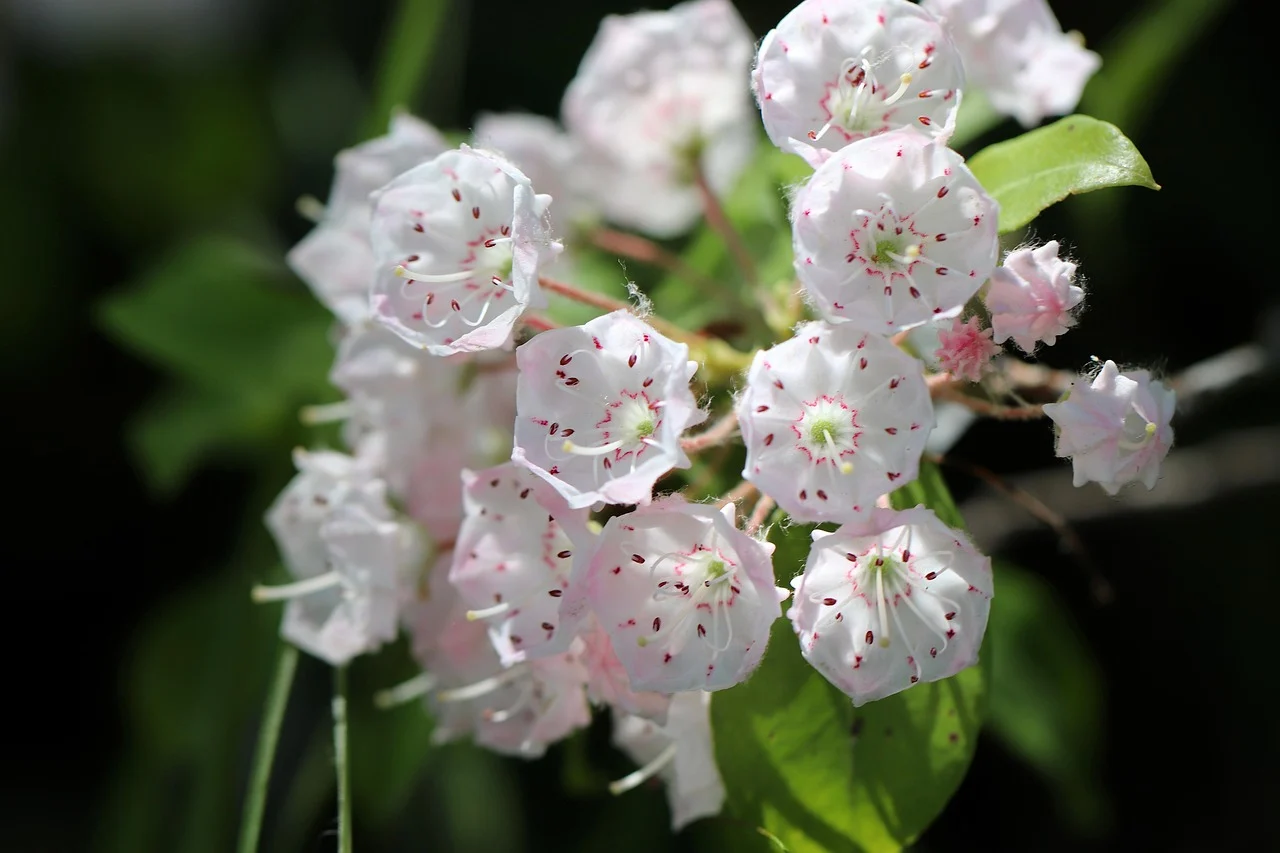
Many visitors to the northeastern United States often find themselves puzzled by the diverse array of flora found in the woodland areas surrounding major cities. While walking through trails in Hartford or near the coast, you may notice vibrant clusters of pale pink Flowers hanging from shrubs. These plants are not merely decorative elements but hold significant cultural weight within the regional identity. Understanding what is connecticut’s state flower provides insight into the legislative choices made over a century ago. This knowledge transforms a simple walk into an educational experience about local history.
Why Does the Question What Is Connecticut’s State Flower Matter?
Selecting a state symbol is rarely a random decision made by lawmakers without careful consideration of local ecology. When residents ask what is connecticut’s state flower, they are often seeking a connection to their environment. The choice reflects the natural beauty that defines the geography and climate of the area. It serves as a reminder of the specific conditions required for certain plants to thrive. This symbolic representation helps foster a sense of pride among citizens regarding their home state.
Identifying the Mountain Laurel in the Wild
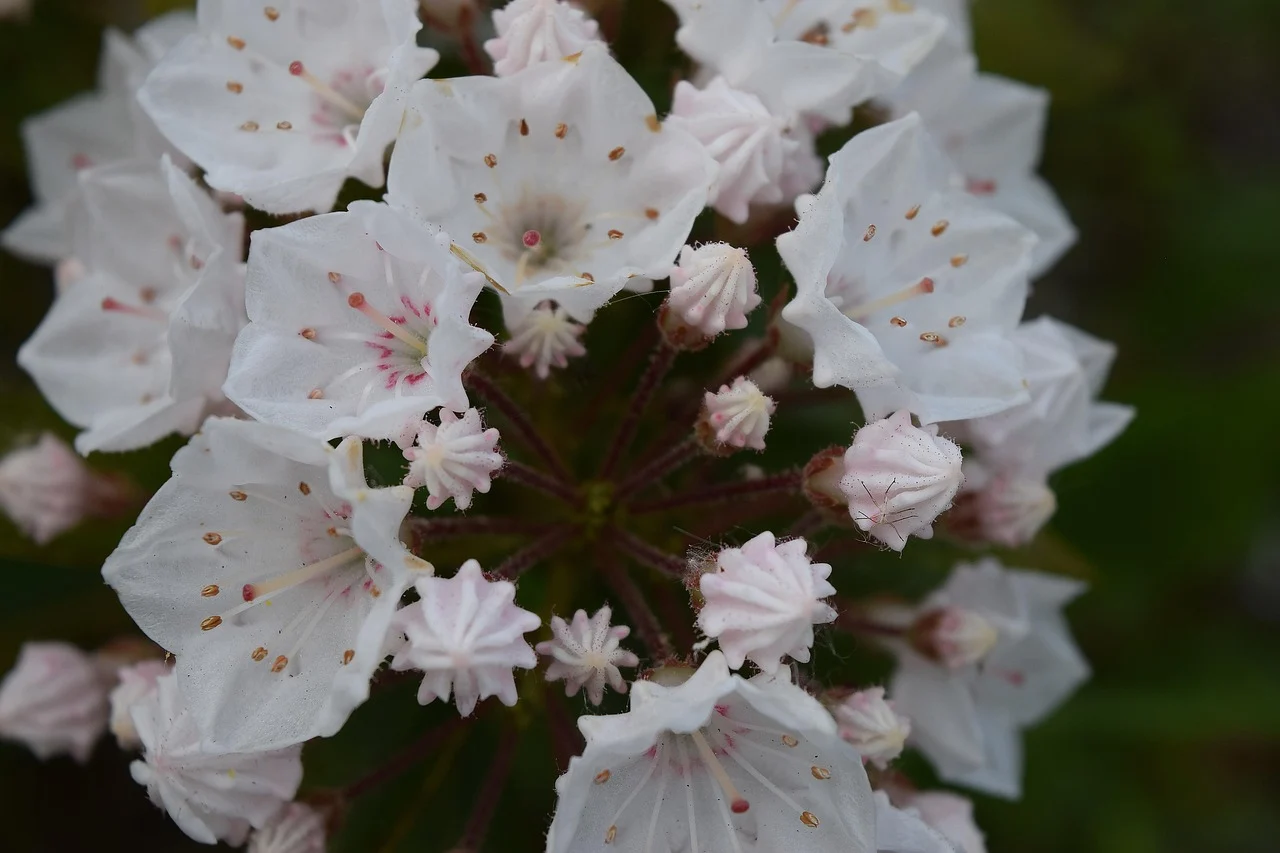
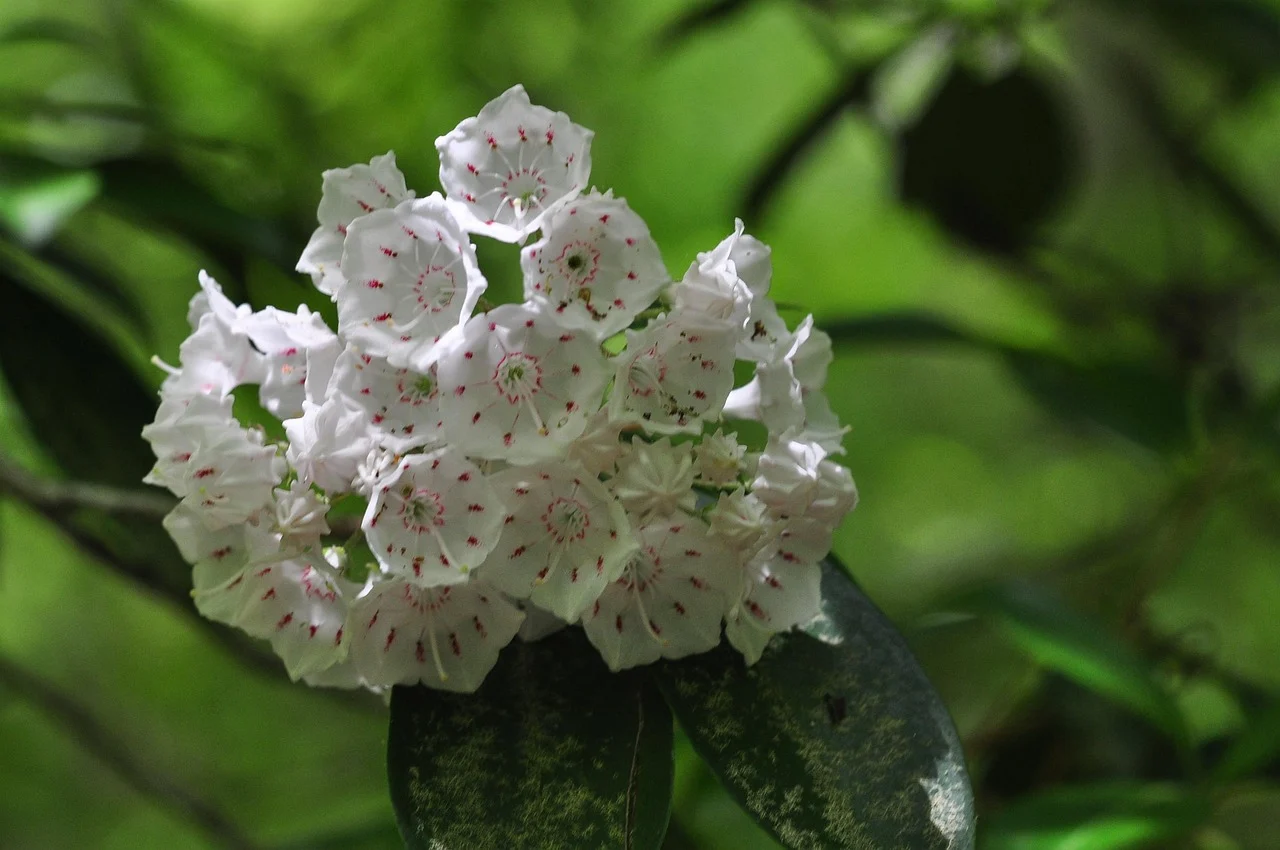
The primary characteristic of this species is its ability to grow as both a shrub and a small tree. Leaves remain green throughout the year, which classifies it as an evergreen plant commonly seen in shaded forests. During late spring, clusters of bell-shaped flowers emerge in shades ranging from white to deep pink. Each individual blossom features prominent stamens that arch inward, creating a unique cup-like appearance. Observers should look for these distinct shapes to distinguish them from similar wildflowers in the region.
Leaf Texture and Color Variations
The foliage is thick and leathery, providing protection against harsh winter winds common in new england. Young leaves often display a reddish hue before maturing into a glossy dark green color. This texture makes the plant highly durable against pests and environmental stressors encountered in northern climates. Gardeners appreciate this feature because it maintains visual interest even when the blooms have faded away.
Historical Designation Process in 1907
Legislative records indicate that the flower was officially adopted in the year 1907 through a formal vote. At that time, organizations like the Connecticut Federation of Women’s Clubs advocated strongly for native preservation. They argued that the mountain laurel represented resilience and beauty inherent to the soil composition of the state. The legislation passed without much controversy, as the plant was already widely recognized by the public. This early adoption set a precedent for other states to choose symbols based on indigenous vegetation.
Growing Conditions for Native Landscapes
Successful cultivation requires acidic soil conditions with good drainage capabilities to prevent root rot issues. These plants generally prefer partial shade environments rather than direct sunlight exposure all day long. Water needs are moderate once established, making them suitable for low-maintenance garden designs. Propagation can be achieved through seeds or cuttings taken from healthy parent specimens in early summer. Proper spacing allows air circulation which reduces the risk of fungal diseases affecting the leaves.
Cultural Significance Across Seasons
Beyond its botanical classification, the flower plays a role in local traditions and seasonal celebrations. It is frequently used in wreaths and decorations during holiday seasons due to its hardy nature. Schools often teach children about the plant as part of broader environmental education curriculums. The bloom timing coincides with festivals that celebrate the arrival of warmer weather after winter. This continuity ensures that the plant remains relevant in the minds of new generations living in the area.
Recognizing the botanical heritage helps preserve these unique ecosystems for future generations. Consider planting native species to support pollinators in your own yard.
FAQ
What does the mountain laurel symbolize for Connecticut residents?
For most residents, this plant represents resilience and the enduring spirit of the New England region. Its ability to survive harsh winters alongside beautiful blooms creates a strong emotional connection to the land. Many families associate the scent of the flowers with childhood memories spent exploring local woods during springtime weekends.
Can you grow the state flower in a pot indoors?
While possible, growing this plant indoors presents challenges due to specific humidity and light requirements. It generally performs best in outdoor settings that mimic its natural woodland habitat conditions accurately. Indoor attempts often result in poor blooming or leaf drop if temperature fluctuations are too extreme. Outdoor planting offers the necessary space for roots to expand fully without restriction.
How often does the mountain laurel bloom in a typical year?
Under normal circumstances, the plant produces flowers annually during the late spring months of May or June. Weather patterns such as unusually cold snaps can delay the flowering cycle slightly depending on regional conditions. Once established, a mature shrub will consistently produce blooms unless damaged by severe disease or pest infestation. Regular pruning after flowering helps maintain vigor and encourages robust growth in subsequent seasons.
Are there any poisonous parts of the connecticut state flower?
Yes, all parts of the plant contain grayanotoxins which can be harmful if ingested by humans or livestock. It is important to educate children about not eating any leaves or flowers found in the wild. Handling the plant is generally safe, but washing hands afterward prevents accidental transfer of toxins to eyes or mouth. Gardening gloves provide an extra layer of protection when working closely with dense shrubbery.
Where is the best place to view these flowers in Connecticut?
State parks and nature reserves located in the western part of the state offer excellent viewing opportunities. Places like Ashford Woods or the Connecticut Forest and Park Association lands host large populations of mature specimens. Visiting these protected areas supports conservation efforts while allowing you to observe the ecosystem in its natural setting. Springtime visits yield the highest probability of seeing the vibrant pink blossoms in full glory.
