
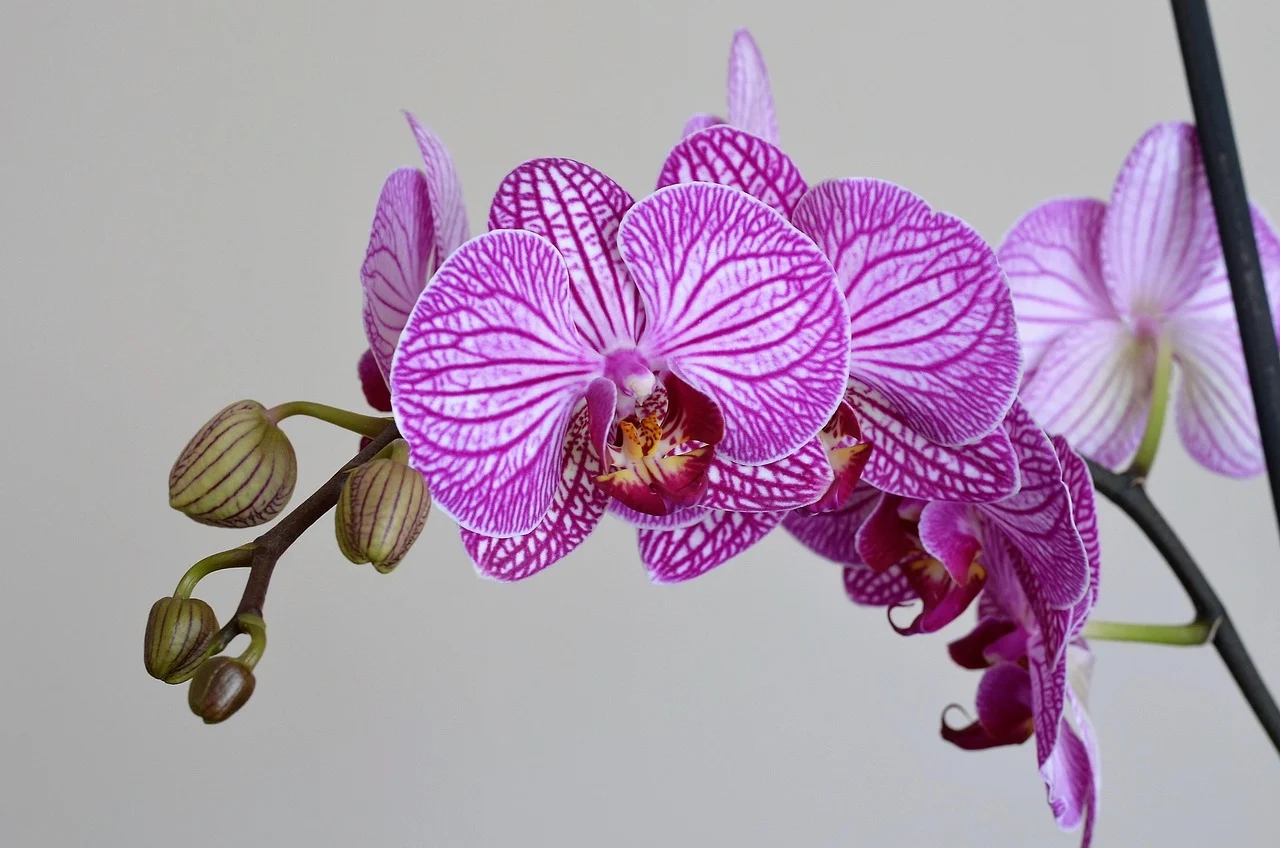
Decorating your home often feels expensive when you want fresh blooms. You might visit stores only to find floral arrangements cost too much money. If you learn how to make a tissue paper flower, you can save significantly while personalizing the space. This project uses cheap supplies to achieve a high-end look without the stress.
Why Choose Tissue Paper for Flowers?
Selecting the right material impacts the final appearance of your creation significantly. Tissue paper is soft and pliable compared to cardstock or construction paper. This texture allows you to curl the edges naturally without tearing immediately.
The cost factor remains a primary reason for choosing this medium for beginners. Sheets are inexpensive and widely available at most local stationery stores. You do not need to buy expensive kits to start your project successfully.
Color variety ensures you can match existing furniture or wall paint perfectly. Manufacturers produce hundreds of shades ranging from pastels to deep vibrant tones. This flexibility helps you create cohesive designs across multiple rooms easily.
Essential Tools You Need Before Starting
Gathering the correct supplies prevents interruptions once you begin the folding process. Scissors should be sharp enough to cut through multiple layers cleanly. Dull blades cause fraying which ruins the delicate nature of the petals.
A pipe cleaner or floral wire acts as the stem for your arrangement. These items provide structural support so the flower stands upright effectively. Glue sticks are useful for attaching extra layers together securely.
- Sharp scissors
- Tissue paper packs
- Pipe cleaners
- Ruler for measuring
Having everything ready creates a smooth workflow from start to finish. You can focus on creativity rather than searching for missing items later. Preparation is key to achieving professional results consistently.
How to Make a Tissue Paper Flower Step by Step
This core process transforms flat sheets into three-dimensional blooms efficiently. Stacking ten to twelve sheets creates enough volume for a large blossom. Fold them like a fan to maintain uniformity throughout the project.
Folding Techniques Explained
Start from one end and flip the paper repeatedly to form zig-zags. Keep folds tight to ensure the center twists hold better during assembly. Loose folds lead to uneven spacing between the petals eventually.
Measure the width of the folded stack to determine the size of the flower. Standard widths work well for table centerpieces or hanging decorations alike. Adjust dimensions based on where you plan to display your work.
Cut the ends into rounded or pointed shapes depending on your preference. Curved cuts mimic the organic flow of natural rose petals accurately. Pointed cuts give a more dramatic lily-like appearance instead.
Twist the middle tightly with your wire or pipe cleaner to secure the shape. Pull apart the layers gently from both sides to open the bloom. Repeat until the desired fullness is achieved for the final product.
Common Mistakes When Making Paper Flowers
Avoid pulling too hard on the layers as they tear easily under tension. Gentle handling preserves the integrity of the paper fibers during expansion. Rushing the fluffing stage results in a sparse and unattractive finish.
Using the wrong type of glue can stain the paper permanently. Water-based adhesives spread quickly and weaken the thin material significantly. Dry methods like twisting are safer for delicate textures overall.
Skip cutting the edges uniformly because it looks messy upon closer inspection. Uneven lengths distract from the symmetry that makes the flower appealing. Consistency in shape adds a polished touch to your arrangement.
Store completed Flowers away from moisture to prevent warping or discoloration. Humidity affects the structural stability of tissue paper over time significantly. Keep them in dry areas for long-lasting decorative purposes always.
Shaping and Assembling Your Blooms
Group individual flowers together to create larger bouquets for walls or tables. Vary the sizes slightly to add depth and visual interest to the display. Mix colors strategically to create gradients or bold contrasts effectively.
Attach stems to dowels or wooden sticks for standing displays indoors. Floral foam can also anchor them firmly in vases without tipping. Stability ensures the arrangement stays intact during movement or cleaning.
Add greenery elements made from green tissue paper for realism. Leaves complement the main color and fill gaps between the blooms nicely. This finishing touch elevates the overall aesthetic of the composition significantly.
Consider lighting conditions when placing your finished projects near windows. Bright sunlight may fade colors faster than expected over months. Rotate positions occasionally to minimize exposure damage to specific areas.
FAQ
Can I use different types of paper for this craft?
Yes, crepe paper works well but tissue paper is softer. Cotton paper provides durability while maintaining flexibility for folding. Experiment with textures to see which holds its shape best for your specific design needs.
How long does it take to make a single flower?
An experienced crafter can complete one flower in about fifteen minutes. Beginners might require thirty minutes to ensure all layers are aligned correctly. Practice improves speed significantly after completing your first few attempts consistently.
What is the best way to attach the flower to a wall?
Use double-sided tape or small adhesive hooks to hang them safely. Avoid heavy nails that might damage the wall surface around the area. Ensure the adhesive is strong enough to hold the weight of the paper securely.
Are these flowers suitable for outdoor events?
They work well indoors but wind can damage them outside quickly. Use heavier cardstock if you expect breezy conditions outdoors. Cover them with clear plastic bags if rain is forecasted nearby.
