
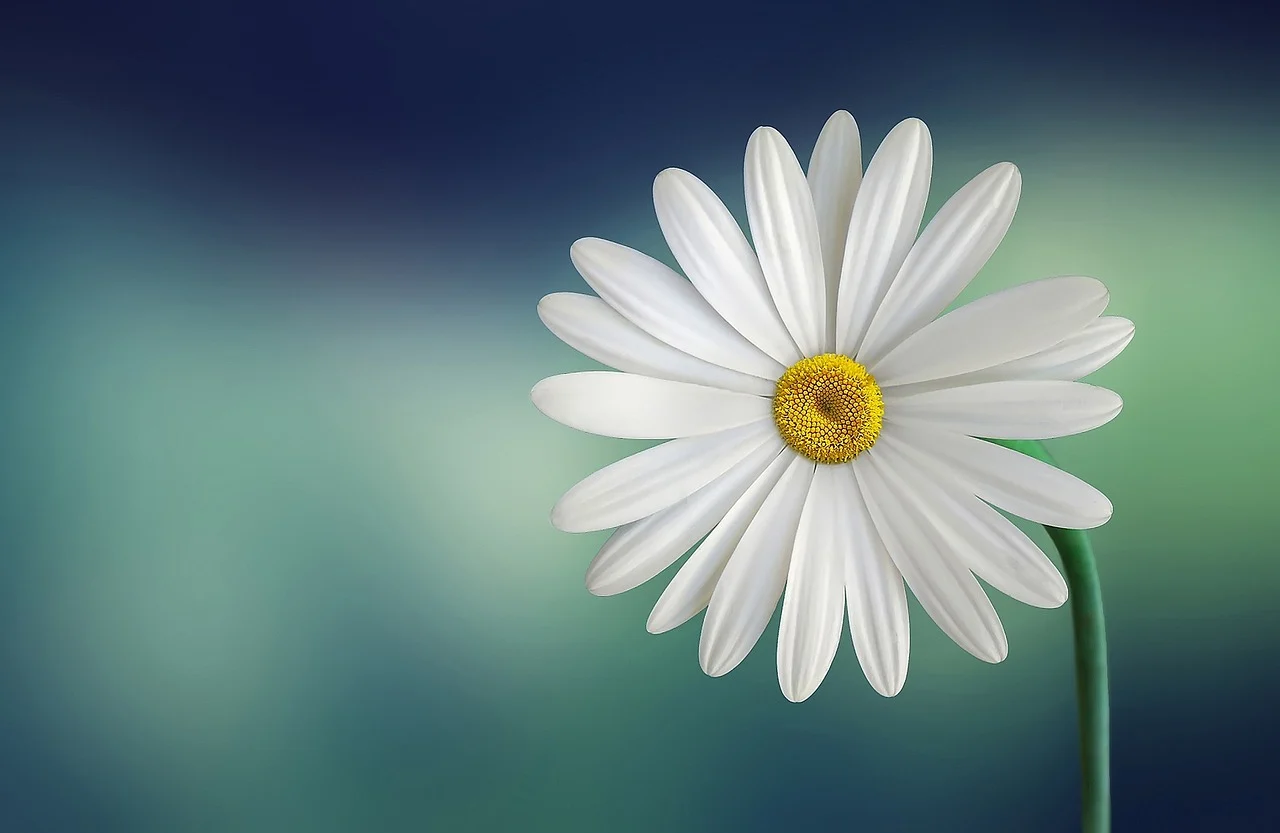
Many gardeners look at a beautiful bloom and wonder about its internal mechanics without knowing the specific terminology. You might see colorful petals surrounding a distinct center but hesitate to ask what is the middle part of a flower called during your daily observations. Understanding this anatomy helps you better care for plants and appreciate how nature facilitates growth and reproduction.
Understanding What Is The Middle Part Of A Flower Called
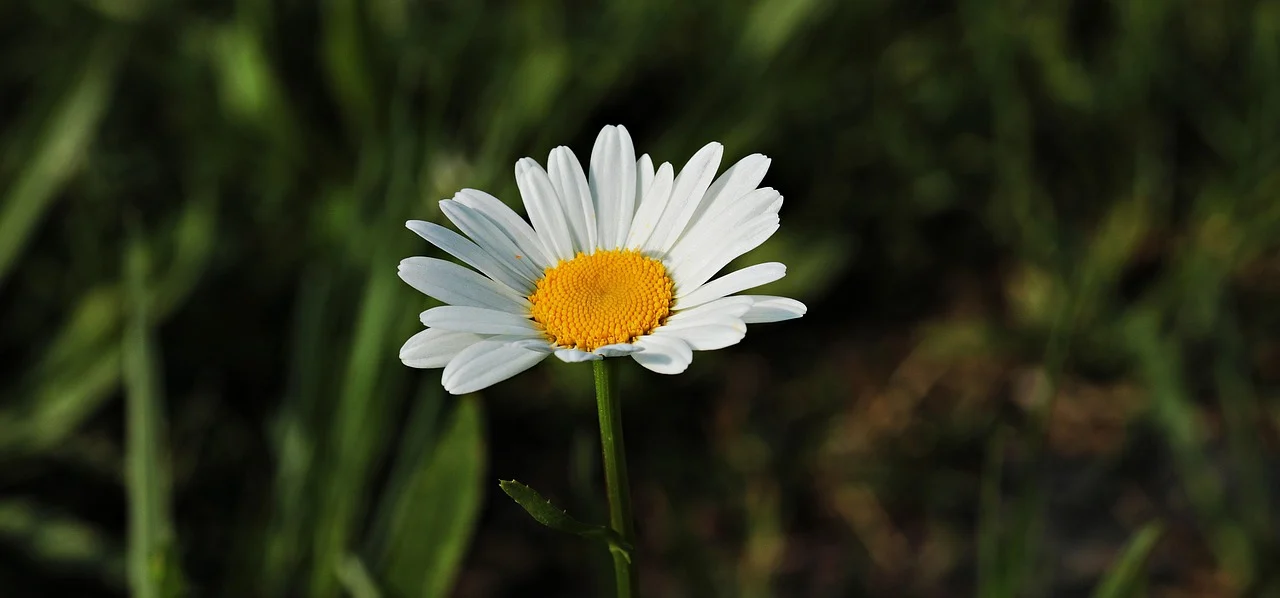
When examining a cross-section of a typical blossom, the central column stands out immediately against the surrounding sepals and petals. Botanists define this region as the gynoecium, which houses the female reproductive organs responsible for creating seeds. While laypeople often use simpler terms like pistil, knowing the technical name clarifies communication among horticulturists and scientists.
The structure is not just decorative; it serves a critical biological function that ensures the survival of the species. Without this central component, fertilization cannot happen, and subsequent fruit or seed development would be impossible for the plant. Recognizing these parts allows you to identify healthy blooms versus those that may be struggling due to environmental stress.
Inside the Pistil Structure
Within the broader category of the gynoecium lies the pistil, which is often what people mean when asking about the flower center. It consists of three main sections working together to catch pollen and nurture an embryo until it matures into a viable seed.
The Stigma Function
The topmost section is known as the stigma, which acts like a sticky platform designed to trap incoming pollen grains. Its surface is often textured or coated with a mucilage substance to ensure pollen sticks effectively when wind or insects arrive. This initial contact triggers the chemical signals needed for the pollen tube to grow down toward the ovary.
The Style Connection
Connecting the stigma to the base is a slender stalk called the style, which provides a pathway for the pollen tube. This tube travels through the style to reach the ovary where the actual egg cells are located inside. The length of the style can vary significantly between different plant species to accommodate various pollination strategies.
The Ovary Role
At the very bottom sits the ovary, which swells up after successful fertilization to become the fruit we eat. Inside the ovary wall reside the ovules that develop into seeds once they receive genetic material from the male pollen. This transformation is a key indicator of a healthy reproductive cycle within the flower.
Surrounding Reproductive Parts
While the center handles female duties, the male counterparts surround it in the form of stamens. These structures produce the pollen necessary to travel to the stigma for fertilization to occur. Together, the male and female parts create a complete system for sexual reproduction in angiosperms.
Some Flowers have both sets of organs in one location, while others separate them onto different individual plants. This distinction affects how pollinators visit the garden and which methods you might use if you are breeding specific varieties. Observing the spacing between the pistil and stamens can give clues about the pollination mechanism.
Why Central Anatomy Matters
Knowing the details of floral anatomy empowers you to troubleshoot issues in your garden more effectively. If a plant has many flowers but no fruit, you might suspect a problem with the central reproductive parts failing to receive pollen. Understanding the mechanics helps you decide whether to hand-pollinate or attract more bees to the area.
This knowledge also enhances your appreciation of biodiversity by revealing how specialized different plants have become over millennia. From the tiny orchid to the massive sunflower, the fundamental role of the central organ remains consistent despite vast differences in size. It is a testament to evolutionary design that keeps ecosystems functioning smoothly year after year.
FAQ
Is the pistil always found in the exact center of every flower?
In most complete flowers, the pistil occupies the central position surrounded by stamens and petals. However, some specialized blooms may arrange their parts differently depending on their family classification or evolutionary adaptations. Generally speaking, yes, the female reproductive organ stays central to maximize access for pollinators.
Can a flower reproduce without the middle part being visible?
Yes, some flowers have reduced reproductive structures that are hidden deep within the bloom or protected by other tissues. These variations often rely on specific pollinators that can navigate tight spaces to reach the hidden ovary and stigma effectively.
What happens if the stigma gets damaged before pollination?
If the sticky top surface is injured, it cannot capture pollen efficiently, leading to failed fertilization attempts. This damage prevents the pollen tube from forming, meaning the ovary will not develop into a seed or fruit even if pollen lands nearby.
Are there flowers where the middle part changes color during blooming?
Certain species exhibit color shifts in their reproductive organs to signal readiness to pollinators or to protect sensitive tissues from UV light. This change indicates physiological maturity and guides insects toward the most fertile parts of the plant for optimal transfer.
