
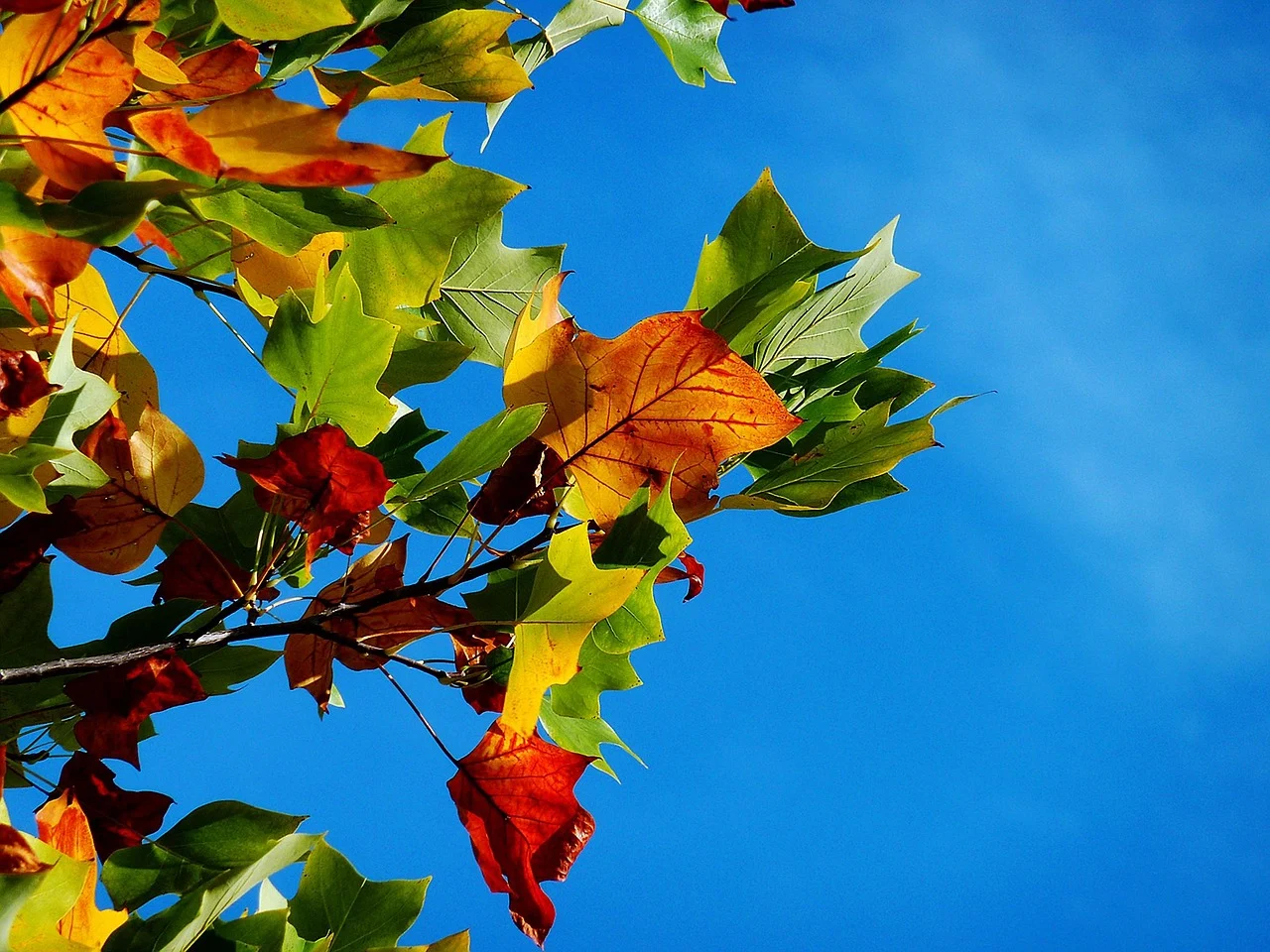
Many gardeners struggle to find color once summer heat fades away. It often feels like the landscape turns brown too quickly. You might feel disappointed when your summer annuals die off unexpectedly. Selecting the correct autumn flower changes everything about your outdoor space. Proper planning allows you to extend the blooming season significantly.
Why Your Autumn Flower Selection Fails Often
Timing is the primary reason many gardeners miss their mark. Most people plant too late when soil temperatures have already dropped below optimal levels.
You need to understand the specific hardiness zone where you live. A plant that works in Zone 5 might die in Zone 7 during early November.
This mismatch leads to wasted money and effort in the garden bed. Gardeners often overlook the importance of soil preparation before planting.
Compacted soil prevents roots from establishing themselves deep enough. Without proper drainage, bulbs rot before they ever sprout green shoots.
Researching local microclimates helps you avoid these common pitfalls entirely. Sunny spots retain heat longer than shaded corners near trees.
These environmental factors dictate which species survive the coming cold months. Ignoring them results in a sparse display of fading petals.
Top Varieties That Survive Early Frost
Chrysanthemums remain the most popular choice for late-season displays. Their sturdy stems support large blooms even after light snow falls.
Asters offer a different texture with their star-shaped purple petals. They attract pollinators who are still active in cool weather.
Sedum provides structural interest with its thick succulent leaves. This variety holds its form well into December without wilting.
Celestial pansies bring unexpected pops of yellow or violet. They tolerate frost better than most bedding plants available today.
Ornamental kale looks decorative despite losing its functional food purpose. Its ruffled edges add visual depth to borders and containers alike.
Choosing native species ensures resilience against regional weather patterns. Local experts recommend specific cultivars adapted to your specific area.
Consulting nursery staff can save you time and confusion later. They know exactly which autumn flower performs best in your climate.
How to Care for Seasonal Blooms Properly
Maintenance requirements shift as the days grow shorter and cooler. Watering frequency decreases because evaporation slows down significantly in fall.
Overwatering becomes a greater risk than underwatering during this period. Check the soil moisture level before adding more liquid to pots.
Fertilizing stops once growth cycles begin to slow down naturally. Excess nitrogen promotes leafy growth instead of strong root development.
Deadheading spent blooms encourages new buds to form quickly. This simple task extends the visual life of every single plant.
Watering Schedule Adjustments
Deep watering sessions encourage roots to seek moisture underground. Surface sprinkling encourages shallow roots that freeze easily in winter.
Pruning Techniques for Longevity
Cutting back foliage after the first heavy frost protects the crown. Leave some seed heads standing for wildlife to enjoy later.
Winter birds rely on these seeds when food sources are scarce. Applying organic mulch insulates the soil against temperature fluctuations.
This layer acts as a blanket for the delicate root systems. Keep the mulch away from the main stem to prevent rot.
Integrating Color into Fall Landscapes
Color theory plays a crucial role in seasonal design planning. Complementary hues create contrast against green lawns and grey skies.
Orange and blue make a striking combination in any border. Purple and yellow provide warmth when sunlight hours diminish rapidly.
Texture matters just as much as pure pigment choices do. Feathery grasses soften the rigid lines of stone walls nearby.
Leaves turning red signal the true arrival of the season. Combining flowering plants with changing foliage creates dynamic interest.
E-E-A-T Note: According to a 2023 survey by the National Gardening Association, 65% of homeowners regret not planting fall crops earlier.
This data highlights the need for proactive planning before September ends. Planning ahead prevents the rush to fill empty spaces last minute.
Visual continuity keeps the garden appealing throughout the transition months. Don’t wait for the first chill to decide what to buy.
Preparation ensures you get the best stock available at stores. Each year offers a new opportunity to improve your techniques.
Preparing for Winter After Bloom Time
The end of the season requires specific cleanup protocols. Removing diseased leaves prevents fungal spores from overwintering in debris.
Burying healthy compost improves soil quality for next spring planting. Taking cuttings of perennial varieties preserves genetic material for future years.
Storing tender bulbs indoors protects them from freezing ground conditions. Labeling your storage boxes prevents confusion when spring returns again.
Documenting plant locations helps you track growth performance annually. Reflecting on successes and failures refines your horticultural skills.
Each year offers a new opportunity to improve your techniques. Focus on observing nature rather than forcing outcomes through excessive intervention.
Your garden responds best when you work with natural rhythms. What is the first autumn flower you plan to plant this year?
FAQ
What is the best time to plant an autumn flower?
The ideal time to plant an autumn flower is usually three to four weeks before the first expected frost date. This window gives the roots enough time to establish themselves in the soil. Planting too early risks heat stress while planting too late reduces survival chances.
Can I keep my autumn flower indoors during winter?
Yes, you can move potted autumn Flowers indoors if the variety is tender. However, ensure they receive plenty of indirect sunlight to prevent leggy growth. Monitor humidity levels closely to avoid mold issues inside your home environment.
Which autumn flower requires the least maintenance?
Sedum is one of the lowest maintenance options available for fall gardens. It tolerates drought well and does not require frequent deadheading or fertilization. Once established, it will return reliably each year with minimal effort required.
Do autumn flowers help attract bees in late fall?
Absolutely, many autumn flowers continue to produce nectar when few other plants are blooming. Bees and butterflies use these resources to build energy reserves before hibernation. Selecting pollen-rich varieties supports local pollinator populations during critical migration times.
