
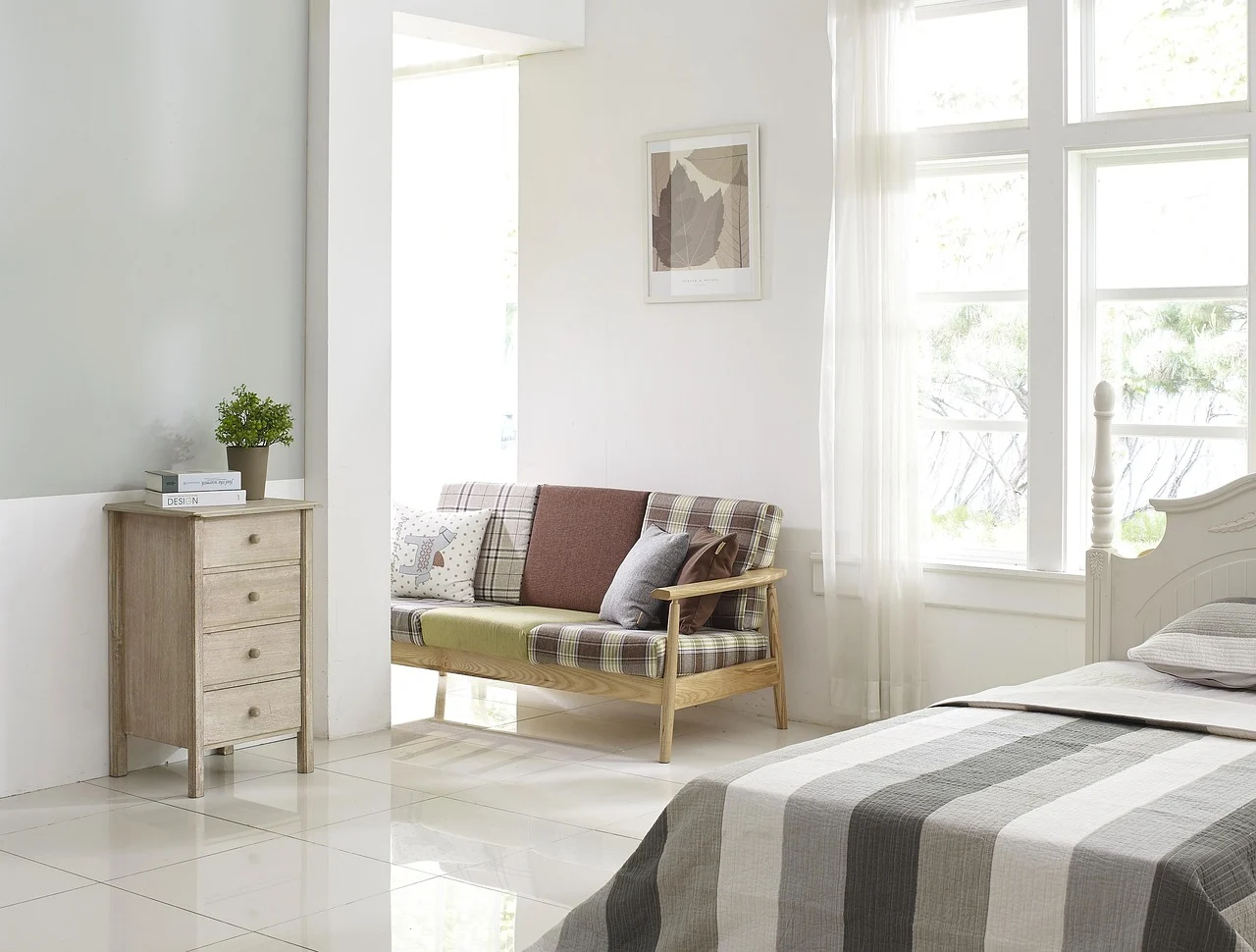
Many homeowners struggle to find a balance between sterile minimalism and cozy clutter. You might want a clean look but fear your space will feel cold and uninviting. Japandi interior design offers a solution by blending Japanese aesthetics with Scandinavian warmth. This approach creates living areas that feel organized yet comfortable for daily life.
Core Principles of Japandi Interior Design
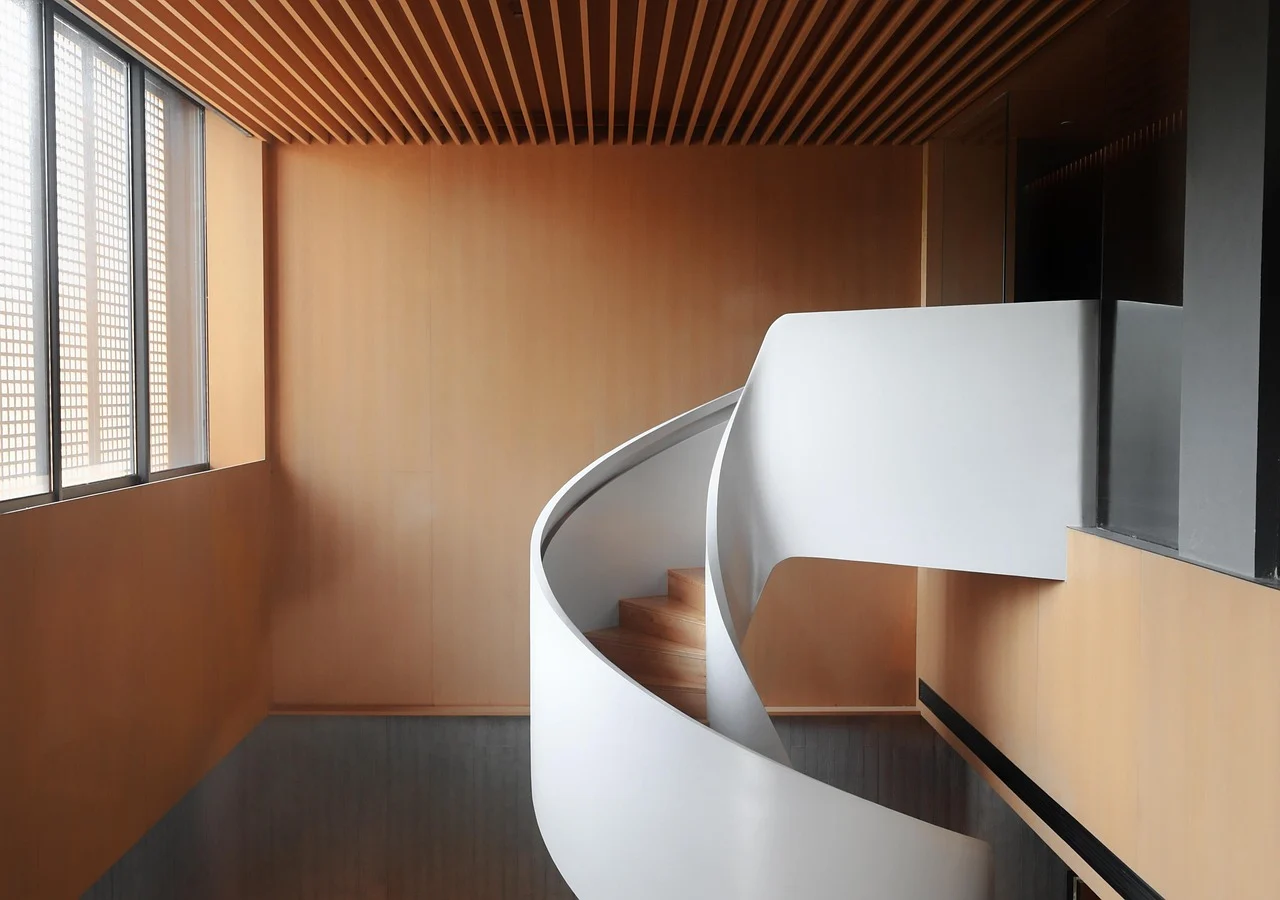
The foundation lies in choosing natural materials like wood, linen, and stone. These elements bring texture into the room without creating visual noise or distraction. Functionality is equally important, as every piece of furniture should serve a clear purpose.
This reduces unnecessary items that often accumulate over time in busy households. Sustainability is also key, as owners prefer durable goods over fast furniture trends. Quality always outweighs quantity when selecting pieces for this specific aesthetic style.
Craftsmanship is valued highly within this japandi interior design movement and culture. Handmade items often show imperfections that add character to the overall environment. These wabi-sabi elements remind residents to appreciate the beauty in aging objects.
Choosing the Right Color Palette
Neutral tones dominate this style to promote a sense of tranquility and focus within the home. You will typically see shades of beige, gray, and soft white used on walls. Darker accents like charcoal or deep brown add depth without overwhelming the space visually.
Keeping the palette limited helps maintain the calm atmosphere you want to achieve. Consistency across rooms ensures the flow feels natural rather than disjointed. This restraint prevents the energy of the house from feeling scattered or chaotic.
Textiles play a major role in softening the hard lines of the architecture. Wool rugs and cotton throws introduce tactile warmth to cold floors. Layering these fabrics adds depth without introducing loud patterns or colors.
Furniture Selection and Layout
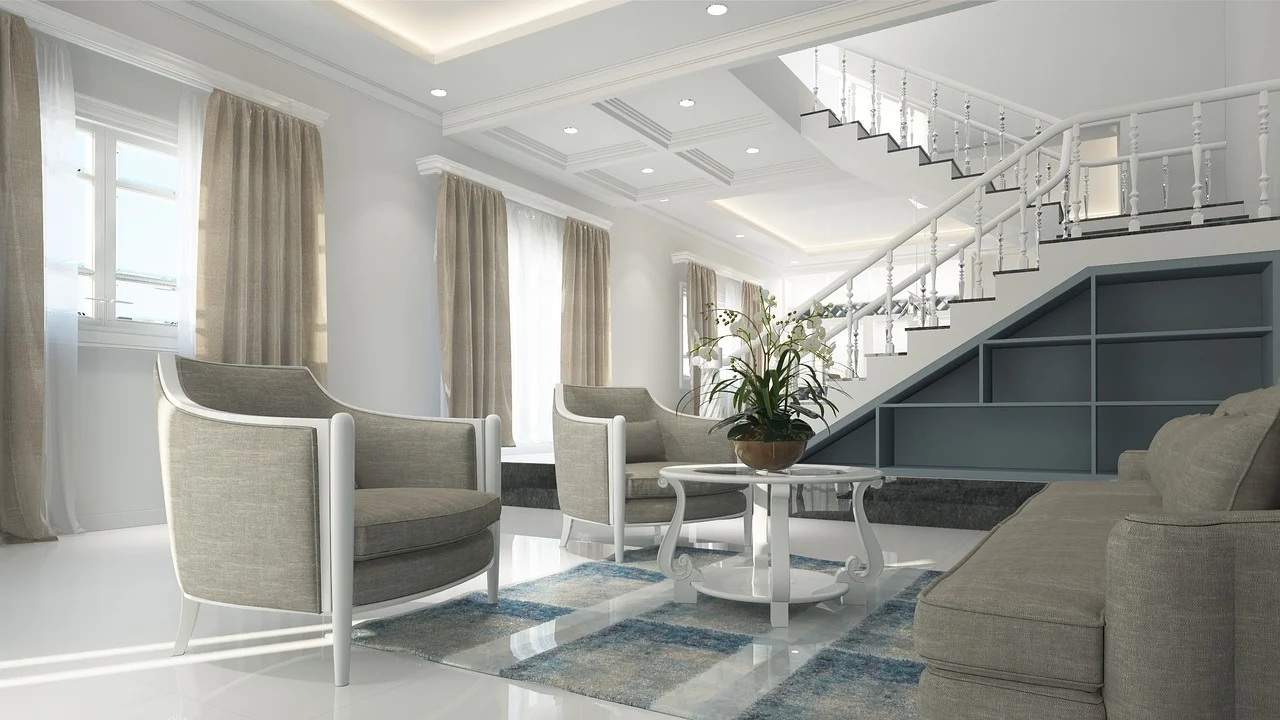
Low-profile furniture works best to make ceilings appear higher and rooms feel larger. Look for pieces with clean lines and hidden storage compartments to reduce visual clutter. Arranging items with plenty of negative space allows the eye to rest easily.
This strategy prevents the room from feeling cramped even when fully furnished. Comfort should never be sacrificed for the sake of a specific aesthetic look. Ergonomic designs ensure that the space remains usable for all family members daily.
Multifunctional pieces are ideal for maximizing utility in limited square footage. A bench with storage inside serves two needs without taking extra space. This intelligent use of volume keeps the floor plan open and breathable.
Lighting and Atmosphere
Natural light is crucial for highlighting the textures of natural materials throughout the day. Artificial lighting should be warm and layered to avoid harsh shadows in the evening. Proper illumination changes how the colors and textures are perceived by residents.
Window placement should be considered during the initial layout planning phase. Large windows help connect the indoor environment with the outdoor nature. This connection reinforces the biophilic aspects inherent in the design style.
Maximizing Natural Light
Use sheer curtains to diffuse sunlight while maintaining privacy in your living spaces. Mirrors can be strategically placed to bounce light into darker corners of the room. This technique reduces the need for electric lights during daylight hours significantly.
Artificial Lighting Choices
Select paper lanterns or wooden fixtures that complement the organic theme of the decor. Dimmer switches allow you to adjust the mood based on the time of day. Soft lighting contributes to the relaxing vibe essential for this design philosophy.
Common Mistakes to Avoid
Some people mistakenly think this style means owning almost nothing at all. Depriving yourself of comfortable items leads to a space that feels unsustainable to live in. Another error is mixing too many different wood tones which creates visual confusion.
Stick to two or three complementary finishes for a cohesive look. Ignoring storage needs will eventually lead to clutter returning to the surfaces. Planning ahead prevents the need for drastic changes later on.
Overdecorating with too many plants can also disrupt the clean visual lines. Select a few large specimens instead of many small pots scattered around. Greenery should enhance the space rather than dominate the available surface area.
Maintaining the Look Long Term
Regular decluttering is necessary to keep the aesthetic clean and functional over time. I have observed that homes adopting this japandi interior design style report lower stress levels according to interior design surveys. Commit to buying fewer but higher quality items when replacements are needed.
This ensures the design remains intact without constant renovation efforts. Mindful consumption protects the integrity of the space from future overcrowding. Your home becomes a sanctuary that supports mental clarity and peace.
Seasonal rotations of decor keep the space feeling fresh without new purchases. Swapping out cushions or art allows for change without permanent alteration. This flexibility keeps the home evolving alongside the needs of the residents.
Achieving this balance takes time but results in a home that supports your well-being. Start with one room and apply these principles gradually to see what works best. Your space should ultimately reflect a calm sanctuary rather than a showroom.
FAQ
What defines the difference between japandi interior design and pure minimalism?
Pure minimalism often focuses on stark emptiness and strict reduction of items. Japandi interior design incorporates warmth and texture to avoid feeling too sterile or cold. It balances function with comfort, ensuring the home remains livable and inviting for everyone.
How can I start implementing japandi interior design on a budget?
Begin by decluttering your existing space to remove unnecessary items and noise. Focus on buying secondhand wooden furniture that fits the natural aesthetic criteria. Paint walls in neutral tones to create a calm backdrop without expensive renovations.
Is japandi interior design suitable for small apartment living spaces?
Yes, this style is excellent for small apartments because it emphasizes open space. Low furniture and light colors make rooms appear larger than their actual dimensions. Efficient storage solutions help keep clutter hidden to maintain the clean visual flow.
