
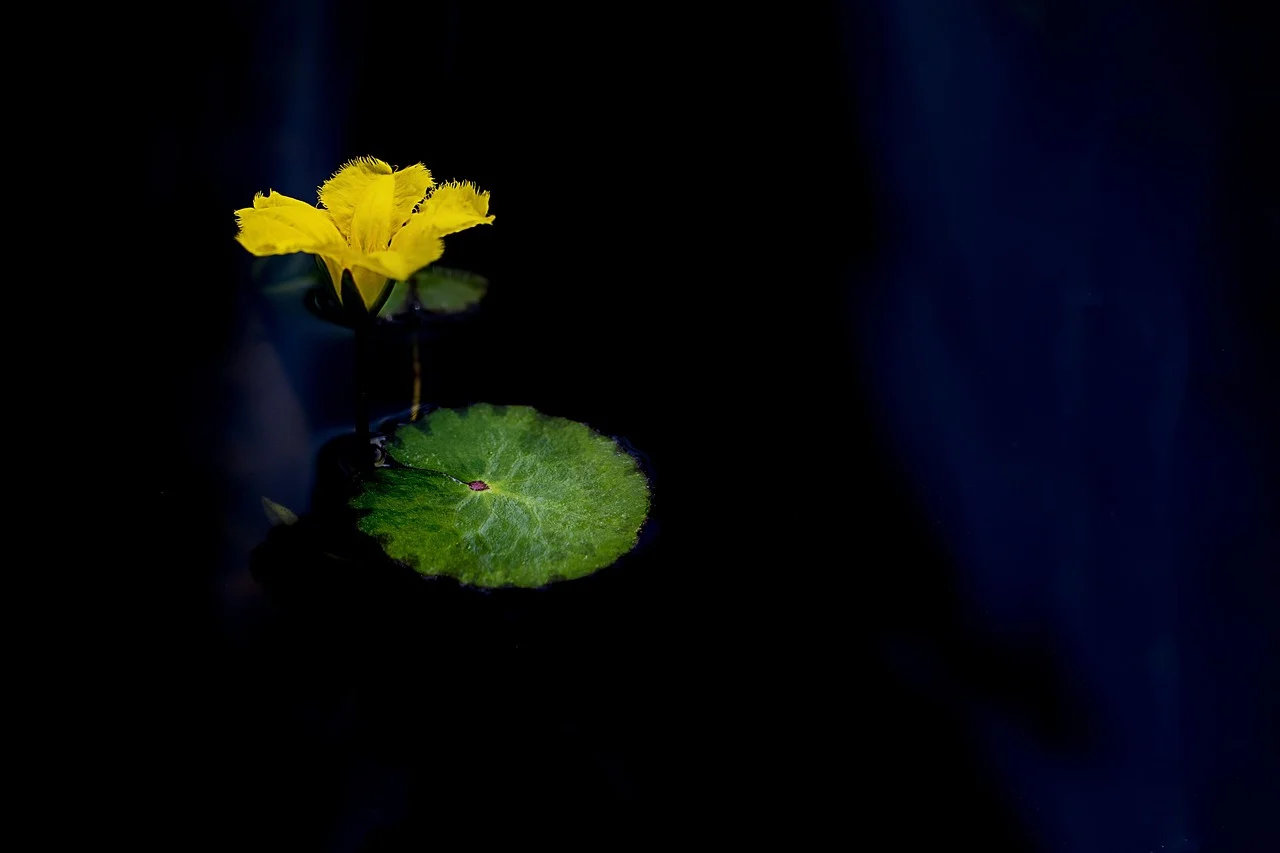
Many people see a lotus in a pond and wonder about its deeper significance beyond just beauty. Understanding what does a lotus flower mean can change how you view personal growth. This plant has been revered for thousands of years because of its unique ability to grow through mud. While often admired for aesthetics, its roots dig deep into soil considered filthy by some standards. Yet it emerges clean and untouched. This contrast drives the core question everyone asks when they encounter this water lily species in art or meditation practices. It serves as a powerful reminder that difficult conditions do not prevent success.
The Core Question: What Does a Lotus Flower Mean
Cultures around the world interpret symbols differently based on their history and geography. In India, the lotus is sacred and linked to deities like Lakshmi and Vishnu. It appears frequently in temple architecture and religious paintings. Western interpretations often focus more on the biological aspect or general beauty. However, the underlying message of overcoming obstacles remains consistent globally. Whether in a temple or a garden, the flower commands respect.
Historians note that ancient manuscripts describe the lotus as a bridge between the physical and spiritual worlds. This connection explains why so many civilizations adopted it as a primary symbol. The visual appeal is undeniable, but the philosophical depth ensures its longevity. You will find references in texts ranging from Egyptian papyri to Chinese poetry. Each region adds nuance while keeping the central theme of purity intact.
Spiritual Roots in Buddhism and Hinduism
Religious texts describe the lotus path as a journey toward liberation. Buddhists believe the flower represents the stages of enlightenment. The bud represents the beginning, the open flower represents realization, and the seed pod represents the future potential. In Hinduism, it symbolizes divine beauty, spirituality, fertility, and prosperity. The goddess Saraswati holds a lotus to signify knowledge and purity of mind. These connections are not merely decorative but central to worship.
In yoga practice, specific postures are named after the flower to encourage stability. Practitioners sit in positions that mimic the lotus shape to ground energy. This physical act reinforces the mental discipline required for spiritual work. Teachers emphasize that the body must be flexible yet strong, much like the stem. Such metaphors help students connect movement with inner peace effectively.
Color Meanings Explained for Different Intentions
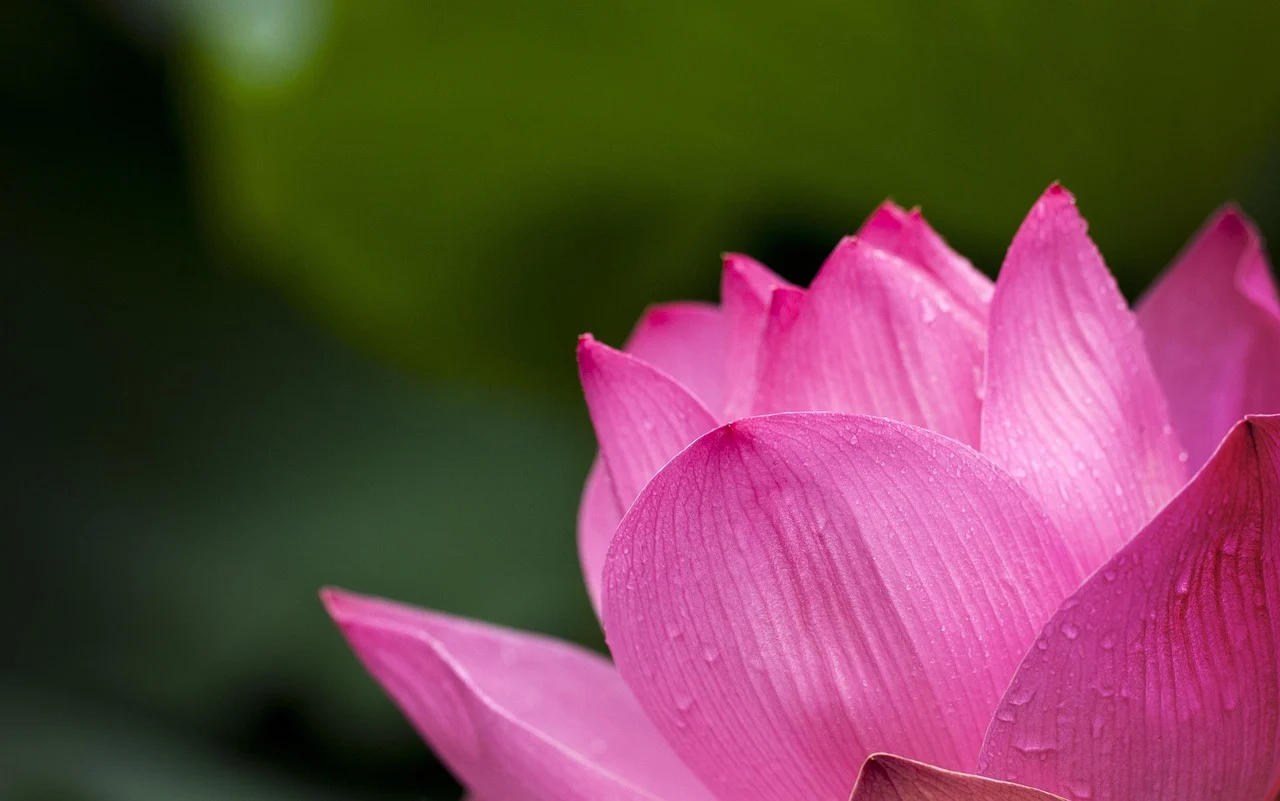
Colors add specific layers of meaning to the base symbol. White lotuses represent mental purity and spiritual perfection. They are often used to cleanse negative energy in rituals. Pink lotuses are associated with the supreme Buddha himself. Blue lotuses symbolize wisdom, knowledge, and the victory of the spirit over the senses. Red lotuses stand for the heart, love, compassion, and passion. Choosing the right color aligns the intention with the outcome.
Gardeners often select varieties based on these symbolic associations rather than just color preference. Some healers recommend white petals for calming anxiety before sleep. Others suggest red blossoms for energetic activities or creative endeavors. The choice reflects a personal alignment with specific emotional states. This customization makes the flower a versatile tool for self-care routines.
Ancient Egyptian Connections to the Sun God
Ancient Egyptians viewed the lotus as a solar symbol. They believed it opened every morning with the sun and closed at night. This cycle represented creation and rebirth constantly renewing itself. Hieroglyphs show the flower alongside gods who controlled the sun. It was also a symbol of Lower Egypt specifically. Archaeologists find lotus motifs on sarcophagi and jewelry from this era. This historical depth adds weight to modern interpretations of the plant.
Botanists confirm that the flower follows the light closely during its blooming phase. This natural behavior likely inspired the mythological stories of the time. People would witness the bloom at dawn and associate it with Ra. Burial chambers often featured lotus designs to guide the soul through the afterlife. These artifacts provide concrete evidence of the flower’s importance in daily life.
Modern Symbolism for Personal Resilience
Today, people adopt these symbols for self-improvement and therapy. The flower teaches us to embrace our struggles as part of growth. It reminds us that we can flourish even in toxic environments. Many mindfulness apps use lotus imagery to encourage calm breathing. It acts as a visual anchor for stability during chaos. This practical application keeps the ancient meaning alive in contemporary life.
Tattoo artists frequently choose lotus designs to mark significant life transitions. Clients often want to represent a past hardship that they have overcome. The ink serves as a permanent reminder of their strength and recovery. Designers vary the style from traditional blackwork to colorful watercolor effects. Regardless of the aesthetic, the core message of resilience remains unchanged.
FAQ
What does the white lotus flower specifically signify?
The white lotus flower specifically signifies mental purity and spiritual perfection. It is commonly used in rituals to cleanse negative energy and promote clarity. Practitioners believe it helps clear the mind of distractions and impurities.
How does the blue lotus differ from other colors?
The blue lotus differs by symbolizing wisdom, knowledge, and the victory of the spirit over the senses. Unlike pink or red varieties, it is often associated with intellectual growth and achieving enlightenment through discipline.
Is the red lotus associated with love?
Yes, the red lotus is strongly associated with the heart, love, compassion, and passion. It represents the emotions and feelings that drive human connection. Many use it to cultivate kindness and empathy within themselves.
Why is the lotus important in yoga?
The lotus is important in yoga because specific postures are named after the flower to encourage stability. Practitioners sit in positions that mimic the lotus shape to ground energy. This physical act reinforces the mental discipline required for spiritual work.
What does the pink lotus represent in Buddhism?
In buddhism, the pink lotus represents the supreme Buddha himself. It is the most sacred flower used in Buddhist iconography. It signifies the original state of purity and the path to liberation.
