
Selecting the perfect gift often feels overwhelming when emotions run high. Many people struggle when they search for what flower represents love because there are so many options available today. Understanding floral symbolism helps prevent misunderstandings and ensures your message arrives clearly without confusion.
Flowers have communicated human feelings for centuries across various civilizations. They serve as a silent language that conveys deep sentiments without uttering a single word. This tradition remains incredibly popular even in the modern digital age where communication happens instantly online.
When you choose correctly, the recipient understands exactly how you feel about them immediately. Wrong choices can sometimes lead to awkward situations or unintended messages being sent to the wrong person. Taking time to research is always worth the effort invested in preparation.
The Historical Roots of Floral Symbolism
The concept of assigning meanings to plants dates back to ancient Greece and Rome. Victorians later formalized this practice into a complex social etiquette system known as floriography. During that era, sending a bouquet was a common way to express forbidden feelings safely.
Historical records indicate that specific colors carried distinct emotional weight during the Victorian period. Red meant passion while white signified purity in almost every cultural context of the time. These historical associations still influence our modern perceptions of certain blossoms today.
Knowing this history provides valuable context for why we associate specific blooms with romance now. It transforms a simple gesture into a meaningful act rooted in centuries of tradition and culture. Your understanding grows deeper when you appreciate the background behind the beauty.
Why You Should Know What Flower Represents Love
Confusion arises frequently when buyers pick items based solely on visual appeal rather than meaning. A beautiful arrangement might unintentionally signal friendship instead of romantic commitment if the species is wrong. Awareness prevents these costly mistakes from happening during important relationship milestones.
Different cultures interpret the same bloom in completely different ways depending on local traditions. For example, chrysanthemums mean death in parts of Europe but longevity in Asia. Global awareness ensures your gift is appropriate regardless of where the recipient lives.
Understanding Color Nuances
Color plays a massive role in defining the intensity of the emotion being shared. Deep red roses scream passion while pale pink varieties suggest gentleness and appreciation. Mixing shades creates a gradient of feeling that adds complexity to the presentation.
White flowers generally represent innocence but can also imply mourning in some specific contexts. Yellow blooms traditionally symbolize joy and friendship rather than deep romantic attachment between partners. Always check the specific palette intended for the occasion before purchasing.
Top Varieties for Different Emotions
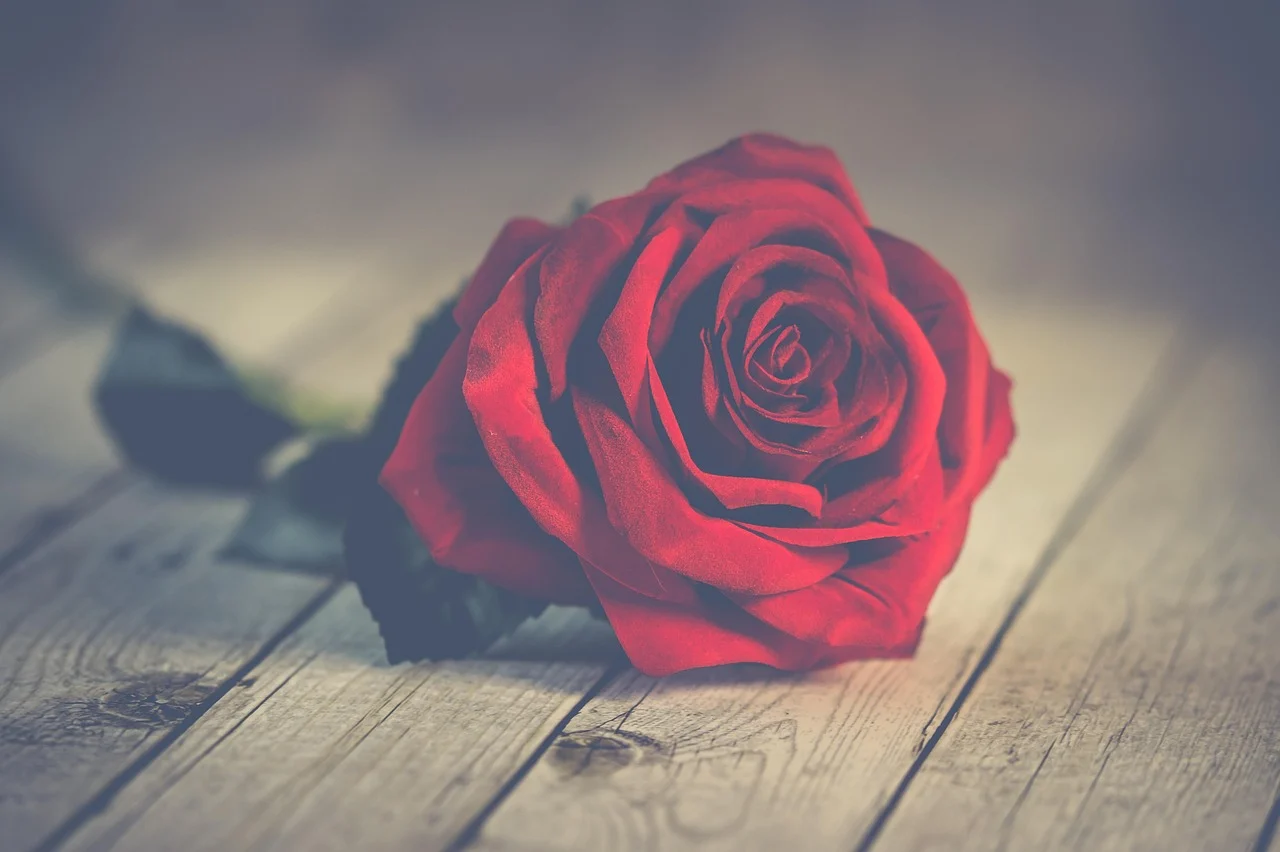
Roses remain the most ubiquitous choice for expressing strong romantic attraction globally. Their thorns protect the petals which metaphorically suggests that love requires protection and care. Gardeners breed thousands of variations to cater to every shade of feeling imaginable.
Tulips offer a more subtle approach to declaring affection through their elegant shape. Each petal folds perfectly to create a cup-like structure that holds water well indoors. They are often associated with perfect love and a lasting bond between two people.
Lilies bring a sense of majesty and renewal to any space they occupy. Stargazer lilies specifically denote ambition and confidence which pairs well with professional achievements too. Their strong fragrance fills a room making the presence of the giver unforgettable.
Carnations provide a budget-friendly option that still carries significant sentimental weight. Pink carnations are the standard choice for motherly love while red ones indicate admiration. They last much longer than roses once cut making them practical for daily display.
Cultural Differences in Floral Meaning
Japanese culture views white flowers as symbols of funerals and loss primarily. Conversely, red paper cranes represent healing and longevity in traditional Eastern medicine practices. Travelers must adjust their selections based on the destination of the gift delivery.
Western nations tend to favor bright colors for celebrations and dark hues for somber events. Understanding these regional preferences avoids accidental offense during international exchanges or diplomatic gifts. Local florists can guide you toward safe choices within their specific region.
South American traditions often incorporate sunflowers to celebrate warmth and happiness openly. African customs may prioritize indigenous plants that hold spiritual significance to the community elders. Respecting these nuances demonstrates a level of care beyond the monetary value of the item.
Common Mistakes When Giving Flowers
People often forget to consider allergies before selecting a highly fragrant bouquet for delivery. Pollen can cause severe reactions in sensitive individuals leading to health issues instead of joy. Checking with the recipient beforehand is a simple step that shows genuine consideration.
Another frequent error involves ignoring the lifespan of the plant once it arrives home. Some varieties wilt within days while others last for weeks under proper care conditions. Setting expectations helps the receiver manage the situation without disappointment over fading beauty.
Ignoring the seasonality of the bloom often results in higher prices and lower quality stock. Out-of-season flowers require more energy to grow and transport which reduces their freshness upon arrival. Buying in season ensures better value and sustainability for both buyer and seller alike.
Choosing the right blossom comes down to understanding the specific sentiment you wish to share. The red rose leads the pack but numerous alternatives exist for nuanced expressions of care. Take a moment to reflect on the unique nature of your connection before buying.
Do you have a favorite flower that holds special memories for you personally? Sharing this thought might inspire others to explore the hidden meanings behind their own bouquets. Your choice today could become a cherished memory for years to come.
FAQ
Which flower is the universal symbol of true romantic love?
The red rose is widely considered the most universal symbol of romantic love across the globe. Its deep red color signifies passion and desire, making it a safe choice for Valentine’s Day or anniversaries. While other flowers carry meanings, the red rose remains the gold standard for expressing intense affection.
Are there alternative flowers besides roses for showing affection?
Yes, several alternatives work well depending on the depth of your feelings and the recipient’s taste. Pink tulips represent caring and affection without the intensity of red roses, while lilies symbolize devotion and purity. Carnations offer a durable option that communicates admiration effectively for less expensive occasions.
Does the color of the flower change its meaning significantly?
Absolutely, color dictates the specific nuance of the message you intend to send to the receiver. White often means pure intentions or new beginnings, whereas yellow typically indicates friendship rather than romance. Always verify the color code before arranging a bouquet to avoid sending mixed signals.
How do cultural differences impact flower selection for gifts?
Cultural backgrounds heavily influence how specific blooms are interpreted regarding grief or celebration in different regions. In some Asian countries, white flowers are reserved for funerals, making them inappropriate for happy events. Researching local customs ensures your gift is received with joy rather than confusion or offense.
