
Starting over can feel overwhelming when you lack the right symbolism to anchor your hope. Many people search for specific signs to validate their journey through change. Understanding what flower represents new beginnings helps clarify intentions during these pivotal moments. Nature offers clear indicators that align with human cycles of growth. These natural symbols provide a sense of continuity even when life feels disrupted.
Understanding the Symbolism Behind Renewal Flowers
Floral symbolism has evolved across centuries to communicate complex emotions without words. Different cultures assign specific meanings to plant life based on seasonal cycles. Recognizing these patterns allows you to select a gift that carries true weight. It transforms a simple bouquet into a meaningful statement of support. This depth adds layers of meaning to every interaction involving plants.
Historical traditions often link springtime blooms to rebirth and resurrection themes. Ancient civilizations observed how vegetation returned after dormant winter periods. They associated this biological resilience with spiritual renewal and personal transformation. Modern interpretations retain these core concepts while adapting to contemporary contexts. You can use this knowledge to honor significant milestones in your life.
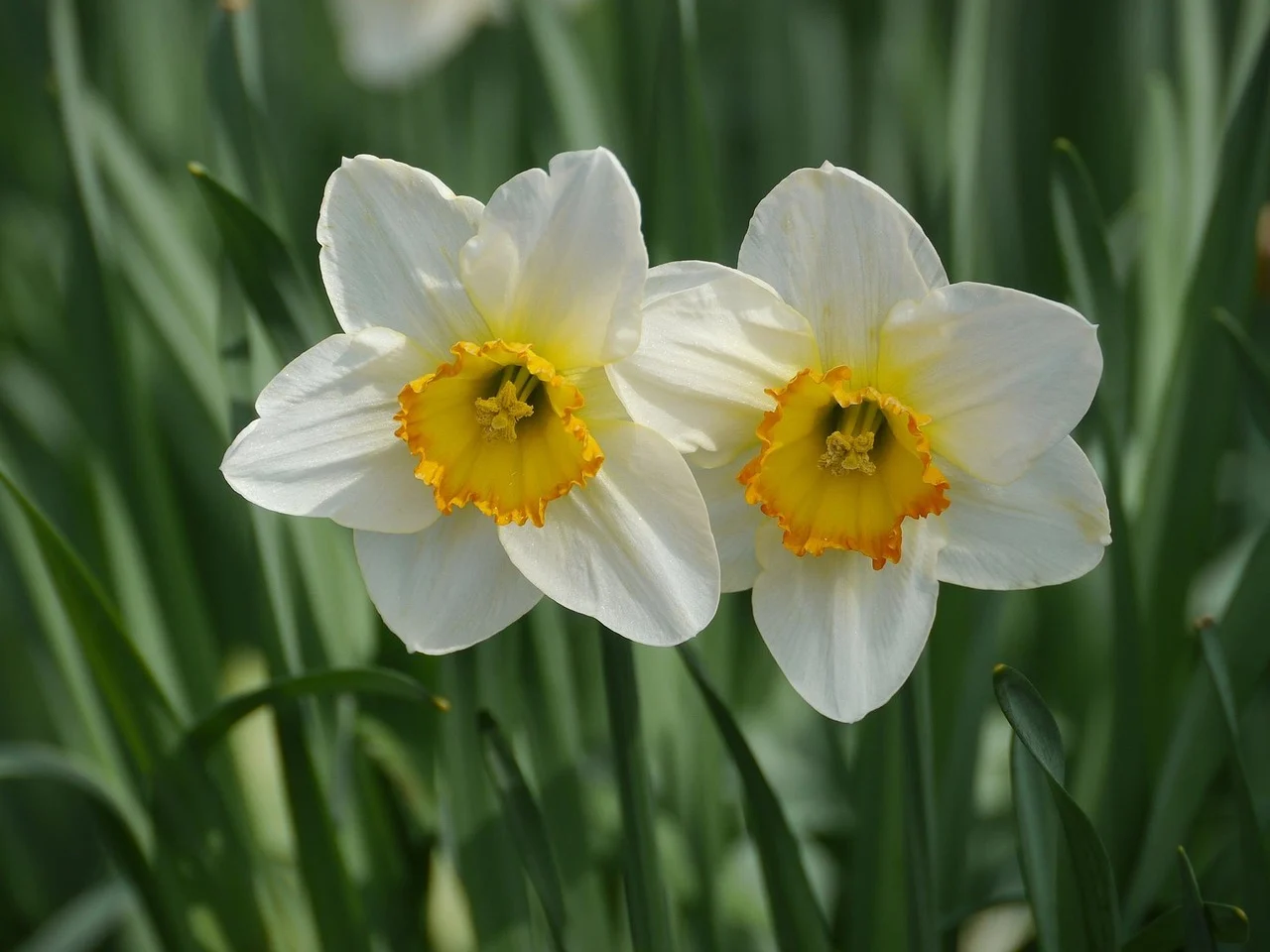
The daffodil is frequently cited as the primary example of this concept. Its early appearance signals that life persists despite harsh weather conditions. Gardeners often plant them specifically to mark the end of difficult seasons. This timing creates a powerful association with hope and future prospects. People give them to friends who are starting fresh chapters.
Lotus Flowers carry similar weight but originate from different environmental contexts. They grow in muddy water yet emerge pristine and untouched by the muck. This unique lifecycle makes them a potent symbol of overcoming adversity. Many religious texts reference this quality to describe enlightenment and purity. Choosing a lotus indicates respect for someone navigating challenging obstacles.
Top Blooms That Represent Fresh Starts
Selecting the right bloom requires consideration of both color and species characteristics. Yellow tones generally suggest optimism and energy which suits new ventures well. White shades often convey purity and clean slates for those moving away from past mistakes. Pink options can represent gentle recovery and self-compassion during healing processes. Combining these hues can create a balanced message of encouragement.
Daffodils and Tulips for Early Spring Changes
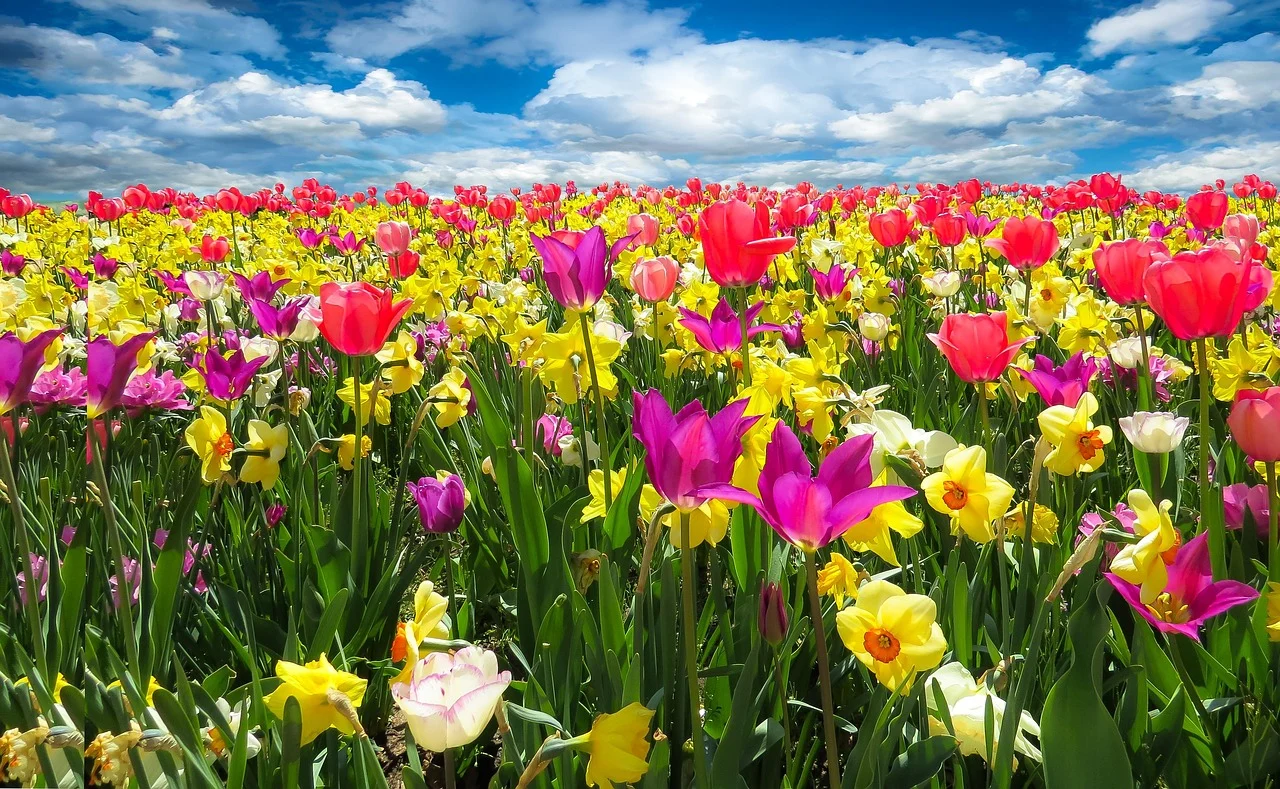
These bulbs break through frozen soil to announce the arrival of warmer days. Their sturdy stems demonstrate resilience against the elements before blooming fully. Families often plant them together to create a landscape of renewal. Seeing them return year after year reinforces the idea of permanence. They serve as living reminders that cycles eventually shift toward light.
Tulips offer a wider variety of colors to match specific emotional needs. Red varieties might signal passion for a new career or relationship. Purple shades suggest wisdom gained from previous experiences guiding future decisions. The structure of the cup shape holds potential like a vessel waiting to be filled. Planting them signifies an investment in future possibilities rather than current states.
Peonies and Cherry Blossoms for Long-term Growth
Peonies represent prosperity and happiness in many Asian cultural traditions. Their large, full blooms require patience to develop but reward observers with abundance. Giving peonies implies a wish for sustained success over many years. They are suitable for graduations or business openings where longevity matters. The scent also adds a sensory layer to the symbolic gesture.
Cherry blossoms capture the fleeting nature of beauty and the importance of the present moment. They fall quickly after reaching peak bloom reminding us to cherish the now. This transience encourages people to embrace new opportunities without fear of loss. Japanese culture uses hanami festivals to celebrate this brief period of renewal. Western audiences often view them as symbols of spring awakening.
How to Choose the Right Flower for Your Situation
Context determines which botanical choice resonates most effectively with the recipient. Consider the specific nature of the transition they are experiencing right now. A divorce might call for white lilies representing purity and new innocence. Starting a business could benefit from green foliage suggesting growth and stability. Matching the plant to the event prevents misinterpretation of your intent.
Personal preferences play a major role in how the message lands. Some individuals dislike strong scents which can overwhelm sensitive noses during stress. Others prefer hardy plants that survive neglect better than delicate varieties. Asking about allergies or favorite colors ensures the gift remains practical. Thoughtfulness extends beyond the initial selection to long-term care requirements.
Seasonality affects availability and cost significantly throughout the calendar year. Buying out-of-season flowers often requires imports that reduce freshness upon arrival. Local growers may have specific varieties that better represent regional definitions of spring. Supporting local agriculture also adds an ethical dimension to your choice. This approach ensures the flowers remain vibrant for longer durations.
Cultural Variations in Floral Meaning
Western interpretations often focus on individual achievement and personal milestones. Eastern traditions frequently emphasize community harmony and collective prosperity instead. In China, the peach blossom signifies romance and marital happiness specifically. In India, marigolds are used in rituals celebrating birth and death equally. Understanding these distinctions avoids accidental offense when sending gifts internationally.
Religious affiliations also influence which plants are considered appropriate for celebrations. Christians sometimes associate white roses with purity and divine intervention. Buddhists prioritize the lotus above all other flora due to its spiritual significance. Indigenous groups may use sage or tobacco more than ornamental garden varieties. Respecting these boundaries shows deep appreciation for the recipient’s background.
Language barriers can complicate the interpretation of floral arrangements further. The number of stems in a bouquet might hold numerical significance in some regions. Sending twelve roses means something different than sending thirteen in various cultures. Verifying the numeric value ensures the message remains positive regardless of translation. Consulting a florist familiar with cross-cultural norms prevents awkward misunderstandings.
Using Flowers for Personal Growth Rituals
Beyond giving gifts, arranging blooms can help organize your own thoughts. Creating a dedicated space for a vase encourages daily reflection on goals. Watching the flowers open provides a visual timeline of progress over time. This practice anchors abstract ambitions into tangible physical changes you can observe. It turns passive wishing into active participation in your own development.
Journaling alongside a floral display enhances the clarity of your intentions. Write down one thing you want to leave behind under the petals. Then write one goal you intend to cultivate in the coming months. This ritual combines the symbolism of the plant with written commitment. It creates a memory that links the object to your internal state.
Donating flowers after an event extends the cycle of generosity further. Hospices and hospitals often welcome donations of cut flowers to brighten rooms. Knowing your purchase supports others amplifies the feeling of contribution. This action shifts the focus from receiving to giving back to society. It completes the loop of renewal by spreading positivity outward.
FAQ
Which flower is best for celebrating a new baby?
White lilies and peonies are excellent choices for welcoming a newborn because they symbolize purity and prosperity. Parents appreciate soft colors that do not distract from the infant. Avoid strong fragrances that might irritate sensitive newborn noses during the first weeks at home.
Can I send flowers to someone recovering from illness?
Yes, but you must verify if the hospital allows cut flowers inside patient rooms. Chrysanthemums are generally safe and represent sympathy without being too heavy. Ensure the arrangement does not trigger allergies that could hinder their recovery process significantly.
What does the peony signify in terms of relationships?
Peonies traditionally represent a happy marriage and prosperous love life in many cultures. They are popular wedding gifts because they suggest a union built on mutual respect. The lush appearance indicates that the relationship will flourish with care and attention over time.
Are there specific flowers for retirement celebrations?
Sunflowers work well for retirement as they symbolize adoration and loyalty after years of service. Their bright yellow color evokes warmth and happiness for the next phase of life. Selecting a perennial variety also suggests that the retiree will continue growing in their hobbies.
