
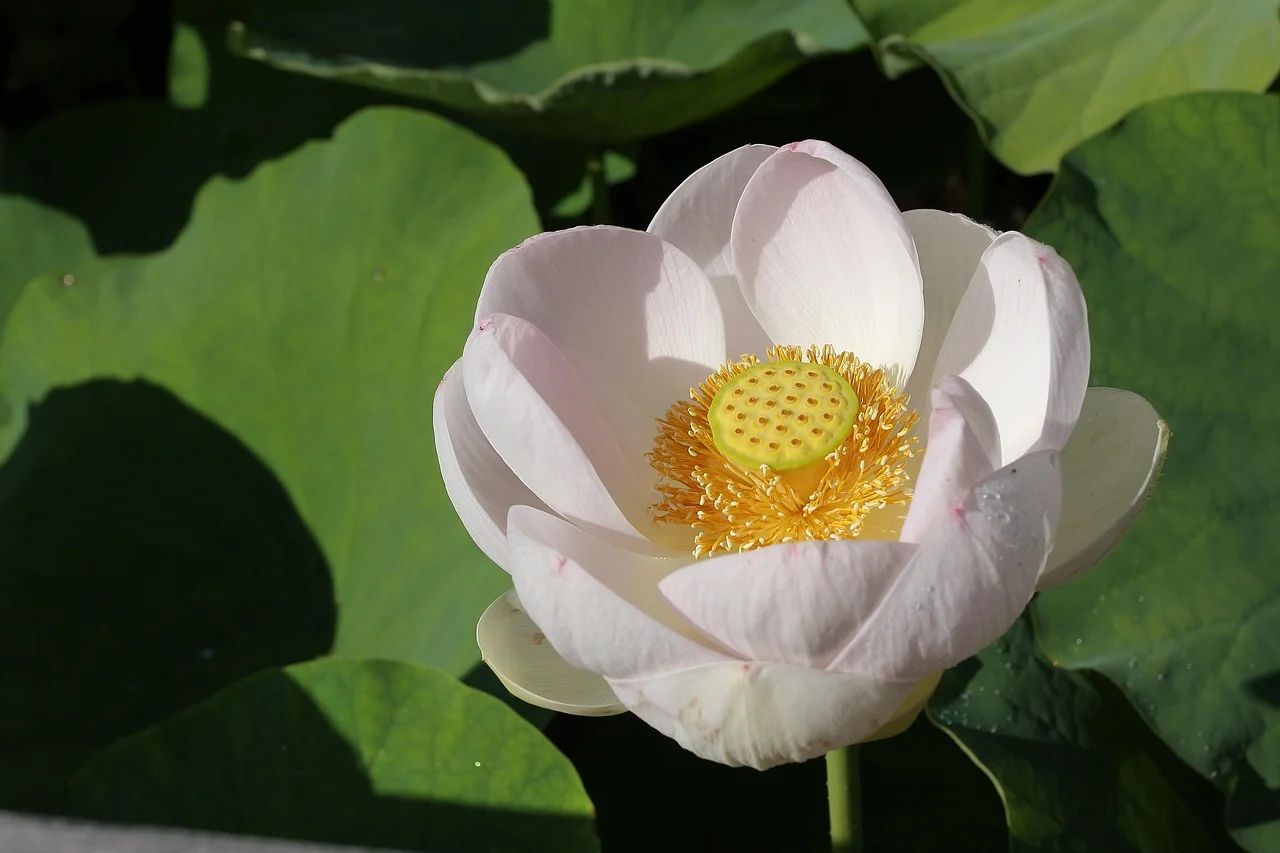
Many people ask what is a lotus flower when they see it rising from muddy water, yet few understand its biology. Understanding the true nature of this plant helps gardeners provide the right conditions for growth and preservation. This distinction matters whether you are cultivating them in a pond or studying their historical symbolism.
What is a lotus flower biologically?
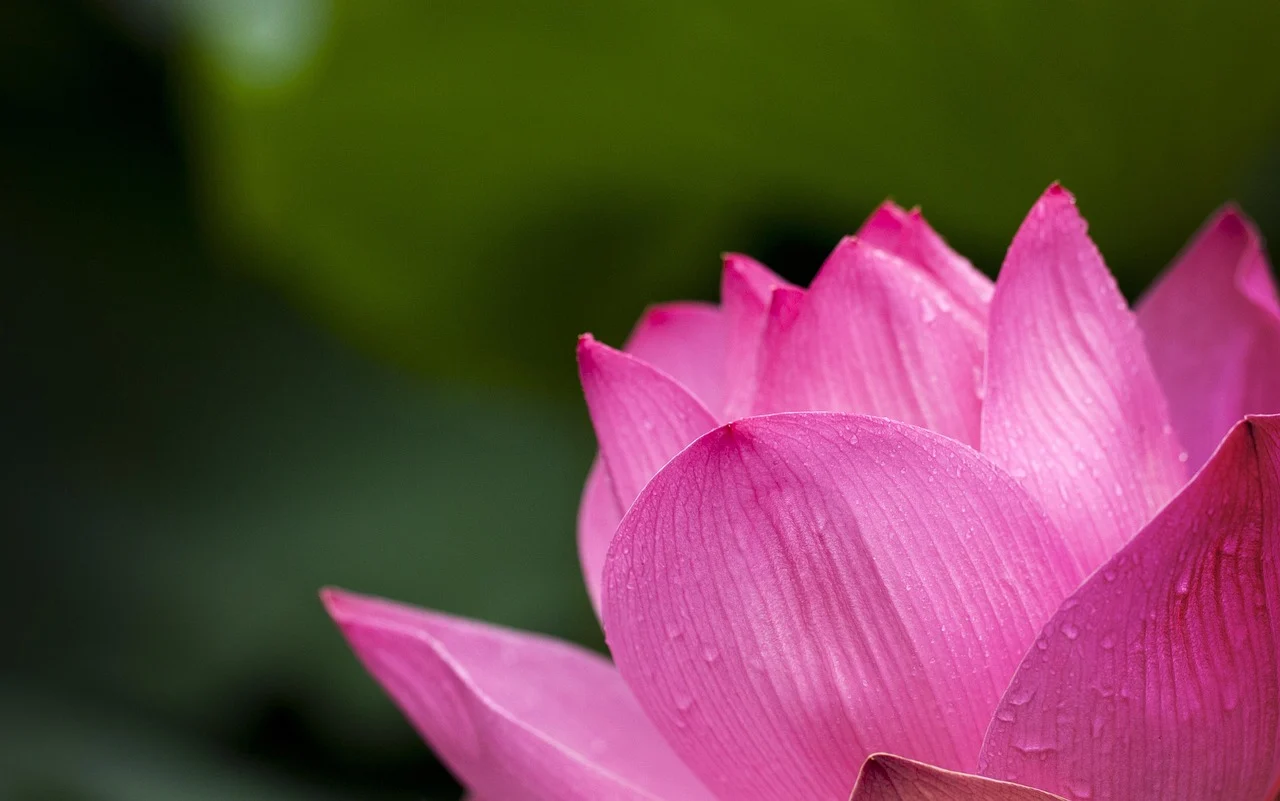
The lotus belongs to the family Nelumbonaceae, which distinguishes it from true water lilies in the Nymphaeaceae family. Its roots anchor into the soil beneath the water, sending up sturdy stalks that support the leaf and flower above the surface. This unique growth habit allows the plant to access nutrients from the mud while still receiving direct sunlight for photosynthesis. Researchers note that the lotus has survived millions of years, making it one of the oldest flowering plants on Earth.
Beyond taxonomy, the leaves exhibit a remarkable hydrophobic structure that repels water effectively. Each leaf acts like a shield, preventing moisture from soaking into the tissue during heavy rains. This adaptation ensures the stomata remain functional for gas exchange even in wet environments. Consequently, the plant maintains healthy respiration rates throughout the humid growing season.
The stem itself contains specialized air channels that transport oxygen down to the submerged root system. These internal tubes allow the rhizome to breathe without being drowned by the surrounding liquid. Such biological engineering makes the lotus uniquely suited for shallow freshwater ecosystems worldwide. No other common garden plant possesses such efficient underwater ventilation systems.
Why does the lotus stay clean during growth?
You may have heard the phrase the lotus rises from the mud, but few know why the leaves remain spotless. The microscopic structure of the leaf surface creates a hydrophobic effect that repels water and dirt particles instantly. When water droplets roll off the surface, they pick up any dust or grime that landed there previously. This self-cleaning mechanism is often studied by scientists who wish to mimic the technology for industrial applications.
Consequently, the Flowers emerge pristine even when growing in heavily polluted water sources. Gardeners often observe that the petals retain their vibrant color longer than other species due to this protection. It prevents fungal infections that typically plague similar aquatic flora in stagnant water bodies. Maintaining this cleanliness requires no human intervention once the plant is established properly.
The waxy coating on the leaves also reflects ultraviolet light, reducing heat absorption significantly. This thermal regulation helps prevent overheating during the peak hours of intense summer sun exposure. Without this natural sunscreen, delicate cellular structures might suffer damage from excessive radiation levels. Nature has equipped the plant with multiple layers of defense against environmental stressors.
Observations show that rainwater naturally washes away debris faster than wind could ever achieve alone. The combination of texture and chemistry creates a surface that dirt cannot adhere to permanently. This phenomenon is scientifically known as the lotus effect and inspires modern material science research today.
What is a lotus flower symbolize in culture?
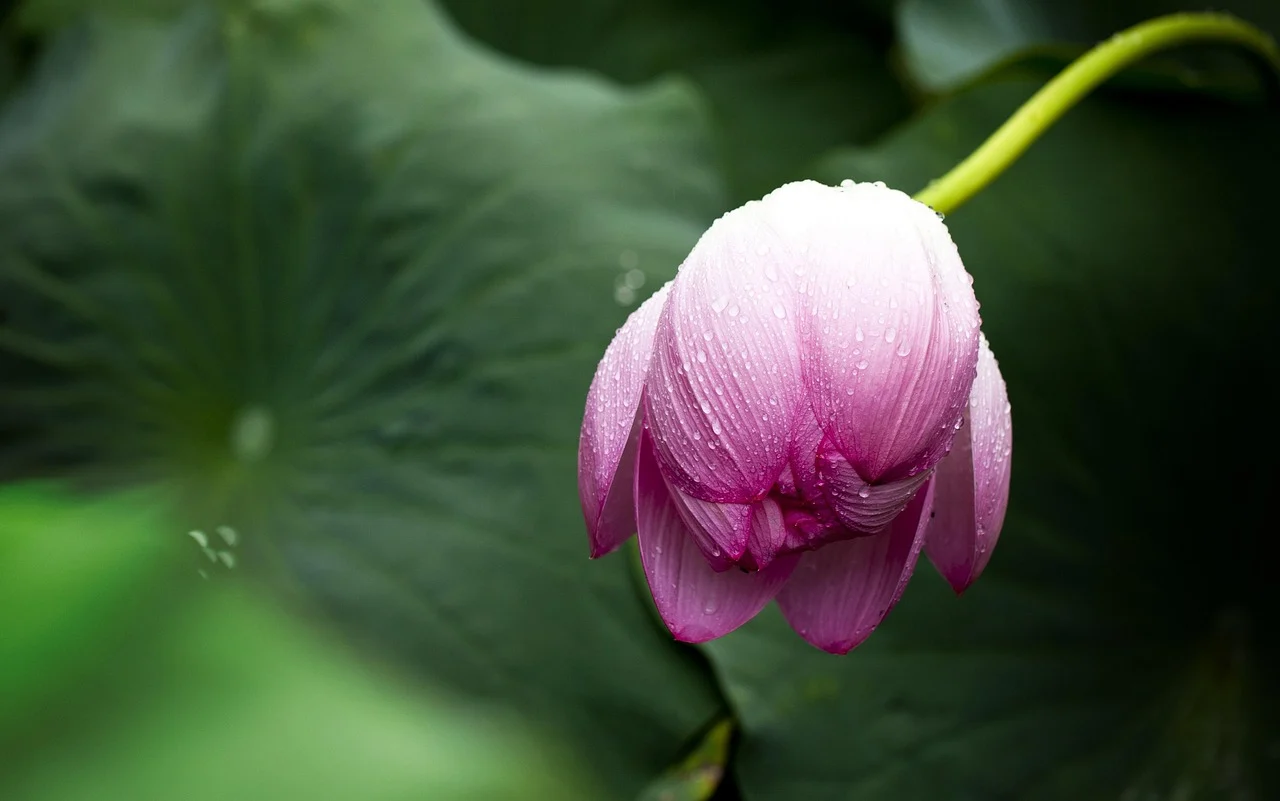
In many Eastern traditions, this plant represents purity, enlightenment, and rebirth due to its daily cycle of closing and reopening. Buddhist texts frequently depict deities sitting on lotus thrones to signify spiritual awakening above worldly suffering. Hindu mythology also associates the deity Lakshmi with the flower to denote wealth and beauty arising from chaos. Historical evidence suggests these symbols were established thousands of years ago in ancient Egypt as well.
Therefore, the imagery transcends geography and remains relevant in modern art and meditation practices today. Monks often use the flower as a metaphor for the soul emerging from the mire of ignorance. Visitors to temples frequently leave offerings of lotus blossoms to honor sacred figures within the faith. This tradition continues unbroken across centuries despite changes in political regimes and social structures.
The color variations also hold specific meanings within different regional interpretations of the iconography. White lotuses represent mental purity and spiritual perfection in most schools of thought. Pink variants are specifically associated with the historical Buddha and his journey toward liberation. Red hues symbolize the heart and compassion rather than intellectual understanding.
Artists capture these nuances through intricate carvings and paintings found in museums globally. Scholars analyze these depictions to understand the philosophical shifts of ancient civilizations over time. The enduring presence of the symbol indicates its fundamental resonance with human spiritual aspirations. It serves as a universal language for concepts that words sometimes fail to convey accurately.
How to grow lotus in your own pond
Cultivating lotus requires patience and specific environmental conditions to ensure successful germination and blooming. You must place the tubers in heavy clay soil rather than standard potting mix to prevent them from floating away. The container should be submerged so that the water level covers the soil by at least ten inches. Sunlight exposure is critical, so choose a location that receives full sun throughout the day.
Temperature also plays a role, as the plant thrives best in warm weather during the summer months. Water depth should not exceed two feet initially until the stems establish strong vertical growth patterns. If the water becomes too deep, the energy required to reach the surface may exhaust the tuber prematurely. Regular monitoring ensures the plant does not struggle to find adequate light sources.
Fertilization is necessary but must be applied carefully to avoid burning the developing roots. Specialized aquatic fertilizer tablets are designed to dissolve slowly and release nutrients gradually over time. Overfeeding can lead to algae blooms that cloud the water and block essential sunlight penetration. Balance is key to maintaining both plant health and water clarity simultaneously.
Dormancy occurs naturally in colder climates where the tubers retreat into the soil under ice cover. Gardeners in temperate zones need to ensure the water does not freeze solid enough to crush the rhizomes. Some species are hardy enough to withstand winter conditions without extra protection measures. Others require indoor storage to survive freezing temperatures safely before spring returns.
Different varieties available for home gardens
While the blue lotus is famous in ancient lore, the pink variety is most common in modern landscaping. Some species are cold-hardy and can survive freezing winters in certain climates without special protection. Others require indoor storage during colder seasons to keep the tuber alive until spring arrives. Selecting the right type depends largely on your local climate zone and the size of your water feature.
Consulting a local nursery ensures you get a specimen adapted to your regional weather patterns. Hybrid varieties have been developed to offer larger blooms and extended flowering periods compared to wild types. These improvements make them more attractive for ornamental purposes in residential settings. They maintain the resilience of their ancestors while offering enhanced visual appeal.
Seed pods produced after flowering contain edible seeds that are harvested for culinary use in Asian cuisines. The young leaves are also consumed as vegetables in some cultures for their nutritional value. Growing these varieties provides a dual purpose of aesthetic enjoyment and food production potential. Home gardeners appreciate this versatility when planning their seasonal crop rotations.
Size variation exists among species ranging from miniature forms suitable for pots to massive ones requiring large ponds. Choose dimensions based on the space you have available to accommodate the mature spread of foliage. Crowding can inhibit growth and reduce the number of flowers produced per season. Planning ahead prevents overcrowding issues later in the establishment phase.
FAQ
What is a lotus flower called scientifically?
The scientific name for the most common lotus is nelumbo nucifera, which belongs to the family Nelumbonaceae. This classification separates it from water lilies, which belong to the Nymphaeaceae family despite their similar appearance. Understanding this botanical distinction helps researchers identify the correct species for cultivation projects.
What is a lotus flower used for historically?
Historically, various parts of the plant were used for food, medicine, and religious rituals across Asia and Africa. Ancient Egyptians consumed the seeds and petals, while Buddhist monks utilized the flowers for ceremonial offerings. Modern usage includes extracts in skincare products due to the antioxidant properties found in the seeds.
What is a lotus flower symbolize in buddhism?
In Buddhism, the lotus symbolizes purity and enlightenment because it rises unstained from muddy waters to bloom beautifully. Different colors represent different aspects of the path, such as wisdom or compassion depending on the shade. Meditators visualize the flower to cultivate a mind that remains clear amidst life’s difficulties.
What is a lotus flower habitat preference?
Lotus plants prefer shallow, calm freshwater environments with plenty of direct sunlight and nutrient-rich mud. They thrive in tropical and temperate regions where water temperatures remain consistently warm during the growing season. Stagnant water is ideal because strong currents can damage the delicate stems and displace the tubers from the soil.
