
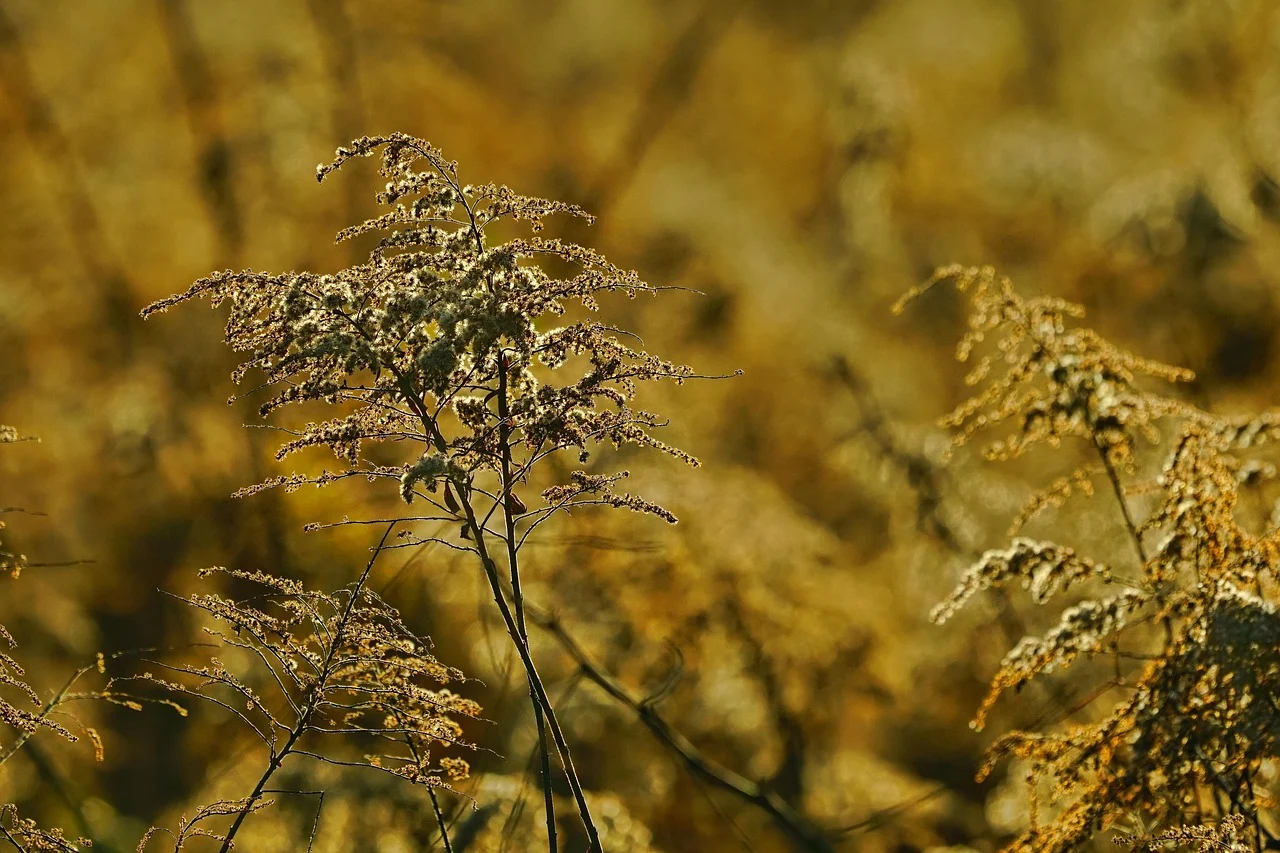
People often confuse state symbols when planning travel or school projects. You might expect roses due to popularity elsewhere, but the reality differs significantly here. Understanding the true symbol helps appreciate local botanical heritage better than guessing.
Why the Goldenrod Was Chosen Over Other Blooms
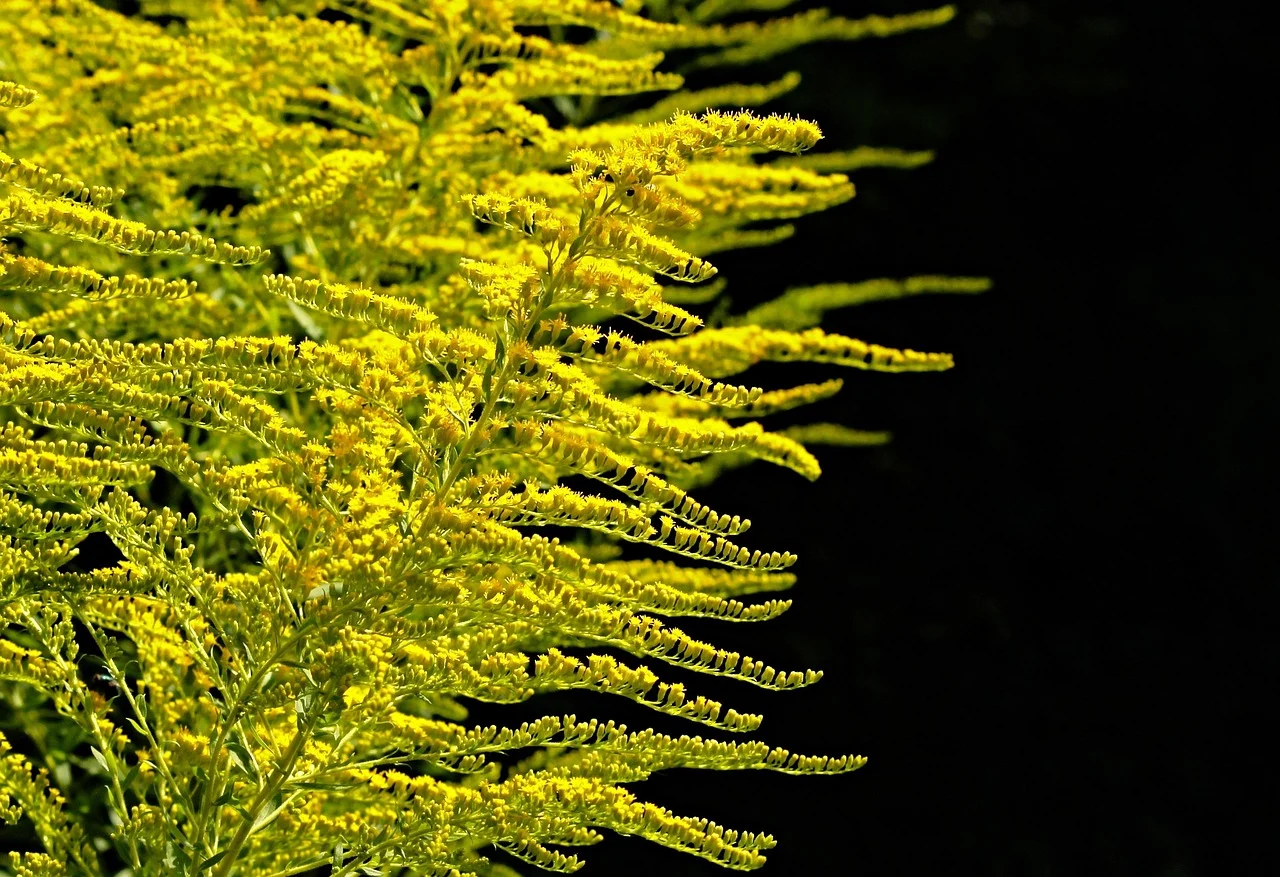
The decision to select goldenrod was driven by its prevalence across the region. Unlike cultivated garden Flowers, this plant grows freely in fields and roadsides. Legislators wanted a symbol that represented the rugged natural beauty of the landscape itself.
It blooms abundantly from August through October without requiring special care. This accessibility made it a unifying choice for citizens regardless of their location within the state boundaries.
Native populations have relied on this plant for medicinal purposes historically. Its deep roots stabilize soil against erosion during heavy rains common to the area.
Botanical Characteristics That Defined Selection
The vibrant yellow clusters stand out against green foliage effectively. Flowers grow in dense plumes that reach heights between one and three feet.
Leaves are toothed and alternate along the stem structure naturally. The sturdy stems allow them to withstand strong winds often found in open plains.
Gardeners recognize it as a valuable nectar source for pollinators visiting nearby crops. Bees and butterflies rely heavily on these resources during fall migration periods.
History Behind the 1926 Legislative Decision
The official adoption occurred through House Bill 395 passed in 1926. Before this date, no single floral emblem existed to represent the entire Commonwealth officially.
Women’s organizations campaigned vigorously for recognition of local flora during the early twentieth century. They argued that imported flowers did not reflect the true character of the region.
The vote was unanimous among representatives who understood the agricultural importance of the crop. They saw the plant as a testament to the hardiness required to farm the land successfully.
Since then, schools have incorporated the flower into curriculum materials regularly. Students learn about conservation efforts aimed at protecting native habitats from urban development.
Identifying Characteristics of Solidago Gigantea
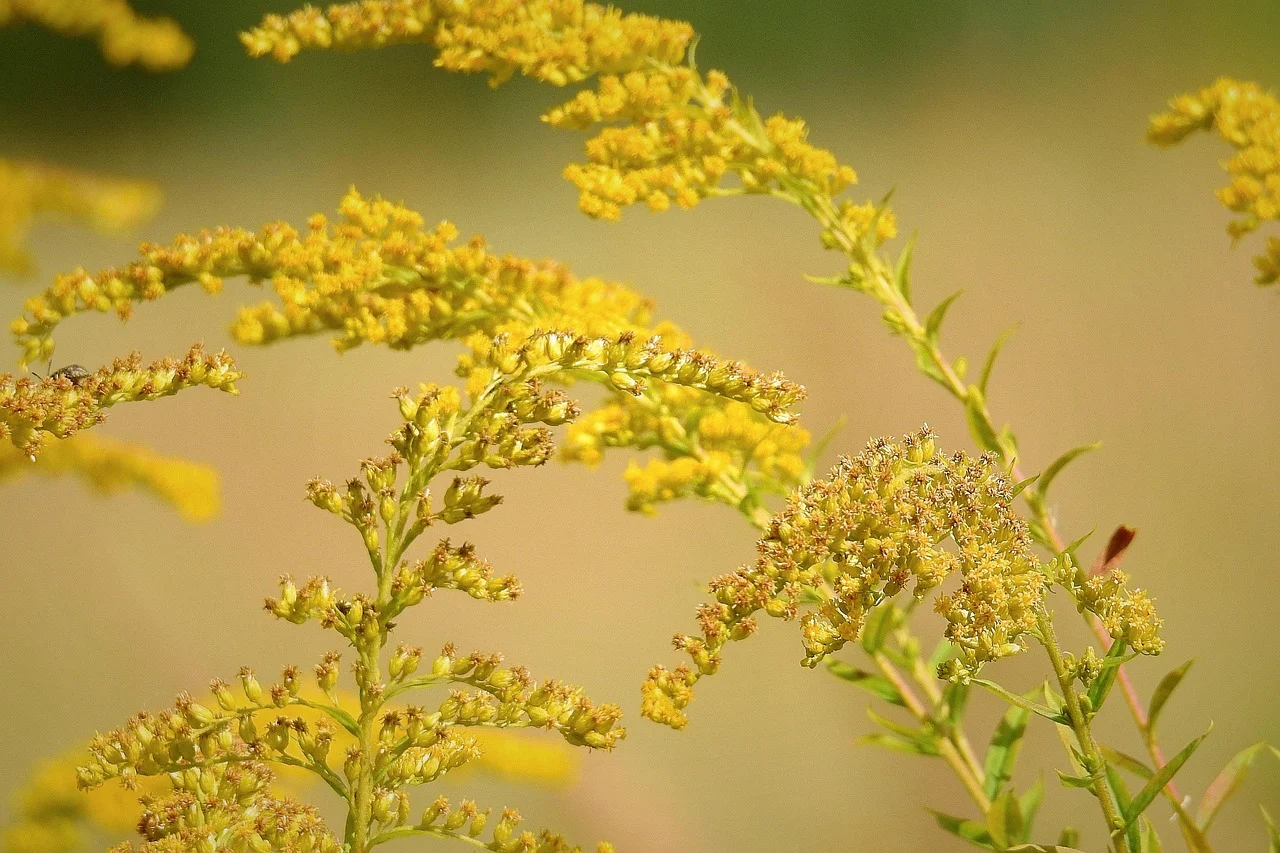
To confirm you are looking at the correct species, observe the color patterns closely. True goldenrod displays bright yellow heads rather than white or blue variants.
Look for the distinct hairy texture found on the lower stems of mature plants. These hairs help trap moisture and protect against insect damage during dry spells.
Seeds develop in small capsules at the tip of each branching stalk. Wind dispersal ensures the seeds travel far from the parent plant annually.
Distinguishing it from ragweed is crucial since both look similar initially. Ragweed has smoother leaves and produces allergenic pollen unlike the non-allergenic goldenrod.
Common Misconceptions About Kentucky Floral Symbols
Many visitors assume the rose holds this title due to national popularity trends. While roses are grown commercially, they lack the historical designation held by the native species.
Some people believe the tulip tree serves as the primary floral representative instead. However, that designation belongs strictly to trees rather than flowering plants specifically.
Confusion often arises because other states adopted different flowers in later years. kentucky maintained its original choice while neighbors shifted their legislative preferences over time.
Understanding these distinctions prevents embarrassment during academic presentations or trivia competitions. Accuracy matters when discussing state pride and identity with residents locally.
How the Flower Appears in Local Culture
Festivals celebrating agriculture often feature goldenrod prominently in decorations and signage. Local artisans create jewelry using dried flowers harvested sustainably from private lands.
Schools display wreaths made from fresh cuttings during autumn homecoming events every year. Teachers explain the symbolism of endurance to young students during assembly programs.
State parks maintain specific trails where these blooms thrive in large quantities naturally. Signage guides hikers to safe viewing areas away from protected nesting grounds.
Photographers frequently capture images of meadows filled with gold during peak season. These visuals appear in tourism brochures promoting rural destinations across the south.
FAQ
What does the goldenrod look like in Kentucky?
The goldenrod appears as tall stalks topped with bright yellow flower clusters. Leaves are green and slightly rough to the touch along the main stem. It typically reaches heights of two to four feet depending on soil quality.
Is the rose the state flower of Kentucky?
No, the rose is not the official state flower despite common assumptions. The goldenrod holds this distinction since 1926 according to state records. Residents prioritize native species over imported varieties for official emblems.
When was the state flower officially adopted?
Legislators officially adopted the goldenrod in 1926 through formal legislation. This act established it as the sole floral representative for all public institutions. No changes have been made to this status in subsequent decades.
Are there other floral symbols in the state?
While the goldenrod is the primary flower, other plants hold specific honors. The dogwood represents the state shrub alongside the prominent goldenrod designation. These symbols work together to showcase diverse regional vegetation types.
Where can you see wild goldenrod growing naturally?
You can find them blooming freely along highways and in open pastures statewide. Specific Nature reserves near Lexington and Louisville offer guided tours during autumn months. Visiting these locations provides the best opportunity to observe them up close.
