
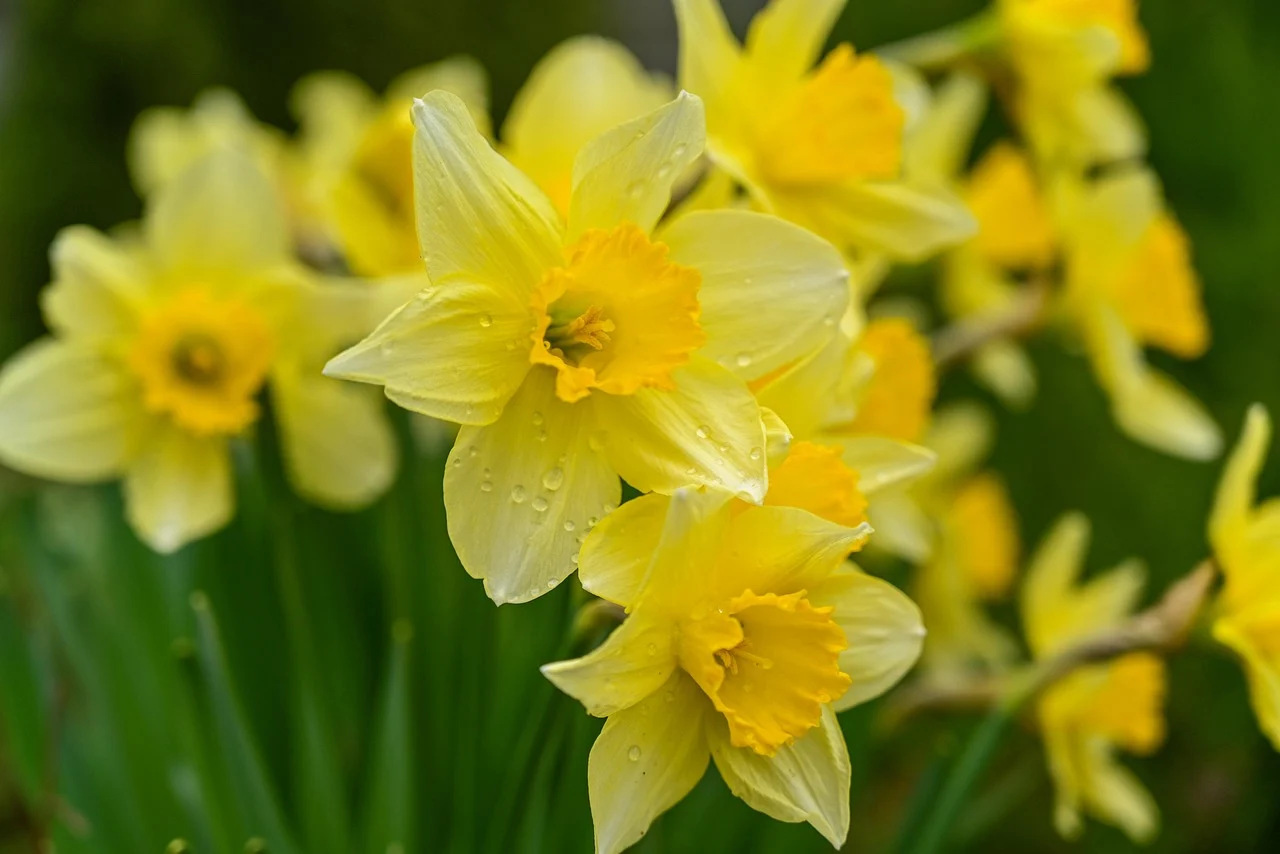
Many people choose gifts or plan events based on birth months without knowing the floral traditions behind them. If you want to know what is March birth flower, exploring these details helps you select meaningful bouquets. This knowledge allows you to celebrate personal milestones with Flowers that align with seasonal themes.
Why Does Knowing What Is March Birth Flower Matter?
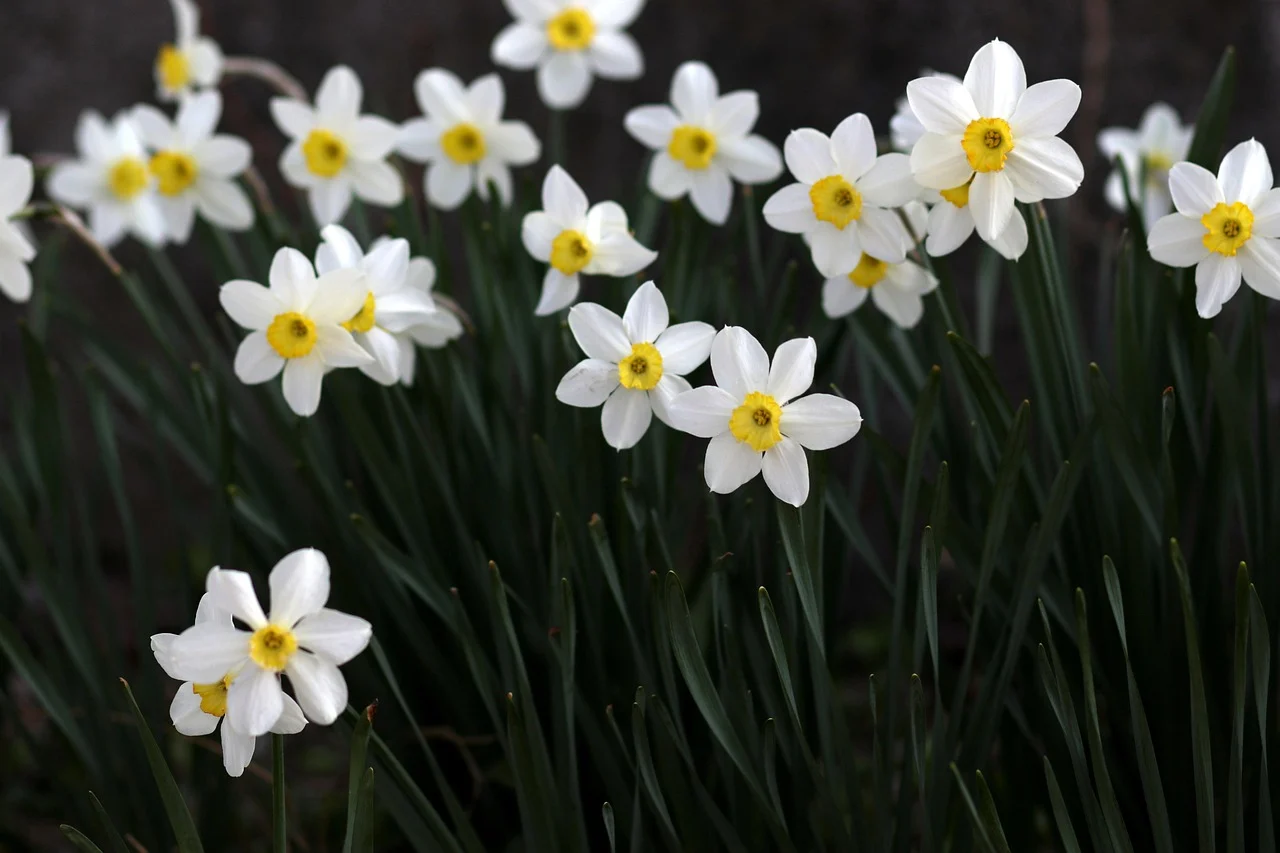
Understanding specific symbols attached to your birth month provides a deeper connection to nature. People often seek personalized gifts that reflect identity rather than generic items found in stores. When you research what is march birth flower, you gain insight into historical customs that honor individual growth.
These traditions date back centuries when communities relied heavily on natural cycles for celebration. Knowing the origins of these blooms connects modern individuals to ancestral practices they might otherwise overlook. It transforms a simple plant purchase into a statement of heritage and appreciation.
March birthdays often coincide with the vernal equinox, marking equal day and night lengths worldwide. Celebrating with these flowers acknowledges the balance between light and darkness in nature. It is a way to participate in the universal rhythm of renewal.
Modern etiquette suggests matching the recipient’s preference with the symbolic meaning of the bloom. Giving a daffodil to someone seeking motivation aligns with its message of encouragement. Conversely, violets suit individuals who value privacy and genuine connections over public recognition.
Understanding the Two Main Blooms for March
The Bright Significance of Daffodils
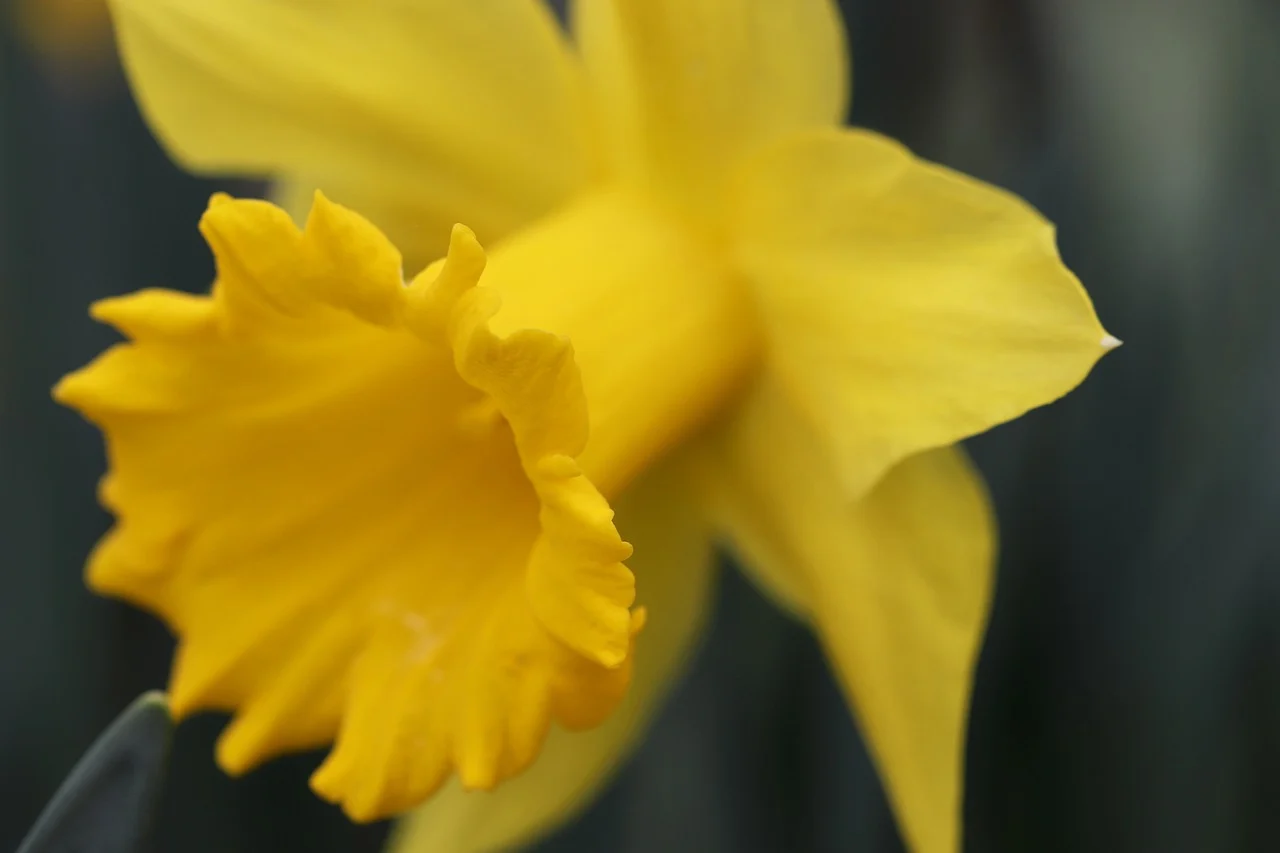
Daffodils are widely recognized as the most prominent flower for this time of year due to their vibrant yellow color. They bloom early in the season, often pushing through remaining snow to signal the end of winter. Their association with resurrection and new life makes them a popular choice for Easter celebrations as well.
Planting these bulbs ensures a reliable display of color when the weather remains unpredictable. Gardeners appreciate their hardiness and ability to return year after year without much intervention. They serve as a beacon of optimism during a transitional period in the calendar.
Historical texts from ancient Rome describe how daffodils were used in funeral rites to honor departed loved ones. This duality of meaning adds complexity to their presence in modern arrangements. They can convey both sympathy and joy depending on the context of the event.
Napoleon Bonaparte was known to favor violets, which added a layer of political significance to their popularity. Today, they remain a favorite for those who prefer subtle elegance over loud displays. Their presence in gardens indicates a well-maintained space that respects native species.
The Modest Charm of Violets
Violets offer a softer alternative to the bold daffodil with their delicate purple petals. Historically, these small flowers represented humility and modesty in Victorian language of flowers. They are often hidden beneath leaves until discovered, mirroring the idea of quiet strength.
Napoleon Bonaparte was known to favor violets, which added a layer of political significance to their popularity. Today, they remain a favorite for those who prefer subtle elegance over loud displays. Their presence in gardens indicates a well-maintained space that respects native species.
Other Secondary Options Like Jonquils
Jonquils are sometimes confused with daffodils but possess distinct characteristics worth noting for collectors. They typically have smaller flowers with fragrant centers that attract pollinators more effectively. Selecting them adds variety to a bouquet intended for someone born in late March.
While less common than standard varieties, they hold a unique place in botanical taxonomy. Including them shows a level of detail that goes beyond standard gift expectations. It demonstrates thoughtfulness in the selection process for special occasions.
How to Care for Your March Birth Flowers
Caring for cut flowers extends their lifespan significantly when handled with proper attention and care. Trim the stems at a 45-degree angle to improve water absorption immediately upon arrival. Remove any foliage that sits below the water line to prevent bacterial growth.
Changing the water every two days keeps the arrangement fresh for a week or more. Add floral preservatives if available to provide necessary nutrients for the cut ends. Keeping them away from direct sunlight prevents premature wilting and heat damage.
Garden plants require specific soil conditions to thrive throughout the growing season. Daffodils prefer well-draining soil and full sun exposure for optimal bulb development. Violets need shade and consistent moisture without becoming waterlogged or stagnant.
Watering schedules should be adjusted based on local rainfall patterns and temperature fluctuations. Overwatering is a common mistake that leads to root rot and fungal diseases. Proper drainage holes in pots ensure excess liquid escapes quickly.
Cultural Traditions Surrounding Spring Blooms
Different cultures interpret the arrival of spring flowers through various lenses of tradition and belief. In some regions, wearing violets on St. Patrick’s Day is considered good luck for the coming year. This practice links the flora directly to religious and cultural holidays observed globally.
March birthdays often coincide with the vernal equinox, marking equal day and night lengths worldwide. Celebrating with these flowers acknowledges the balance between light and darkness in nature. It is a way to participate in the universal rhythm of renewal.
Floral festivals in countries like Japan celebrate cherry blossoms alongside other spring arrivals. While different species are highlighted, the underlying theme of rebirth remains consistent across borders. Understanding these global perspectives enriches the meaning of giving local blooms.
Ultimately, choosing a flower rooted in history adds a layer of intention to your gift-giving. Have you ever received a bouquet tied to your specific birth month?
FAQ
Which flower represents the month of March best?
The daffodil is generally considered the primary representative for March, though the violet is also officially recognized. Both flowers capture the essence of the season through their distinct colors and symbolic meanings. You may find variations depending on the specific country or cultural tradition being referenced.
What does it mean if my birthday is in March regarding flowers?
Being born in March connects you with themes of rebirth and new beginnings through these specific blooms. It suggests a personality that values resilience and modesty similar to the plants themselves. Many people use these flowers to mark personal anniversaries or significant life changes.
Are there different meanings for yellow versus purple March flowers?
Yes, yellow daffodils typically symbolize joy and energy, while purple violets represent modesty and faithfulness. The color choice alters the message conveyed by the gift significantly. Selecting the right hue ensures the sentiment matches the recipient’s character perfectly.
Can I grow March birth flowers indoors easily?
Growing daffodils indoors requires chilling the bulbs before planting to simulate winter conditions. Violets need bright indirect light and careful watering to avoid leaf rot. With the right setup, both types can flourish inside your home environment successfully.
