Many people ask what is new mexico’s state flower when planning a trip to the southwest. Understanding local flora helps travelers appreciate the unique ecosystem found across the region. The answer lies in a hardy plant that survives extreme heat and drought without much water. This botanical emblem represents resilience and adaptability within the harsh environment.
The History Behind the Selection
Legislators chose this specific plant during a time when state symbols were being standardized across the nation. They wanted something native that could withstand the dry climate typical of the area. The decision was formalized in 1927 through official legislative action. It remains a point of pride for residents who recognize its toughness.
Why Not Another Flower?
Other blooms might look more colorful or delicate than the yucca. However, those varieties often require significantly more water to survive. Officials prioritized a species that reflected the true character of the land. This choice ensures the symbol remains relevant to the local environment.
Growth Conditions and Habitat
You will find these plants growing wild across various parts of the state. They prefer sandy soil and full exposure to direct sunlight. Roots dig deep into the ground to access moisture far below the surface. Gardeners often struggle to replicate these specific conditions in other regions.
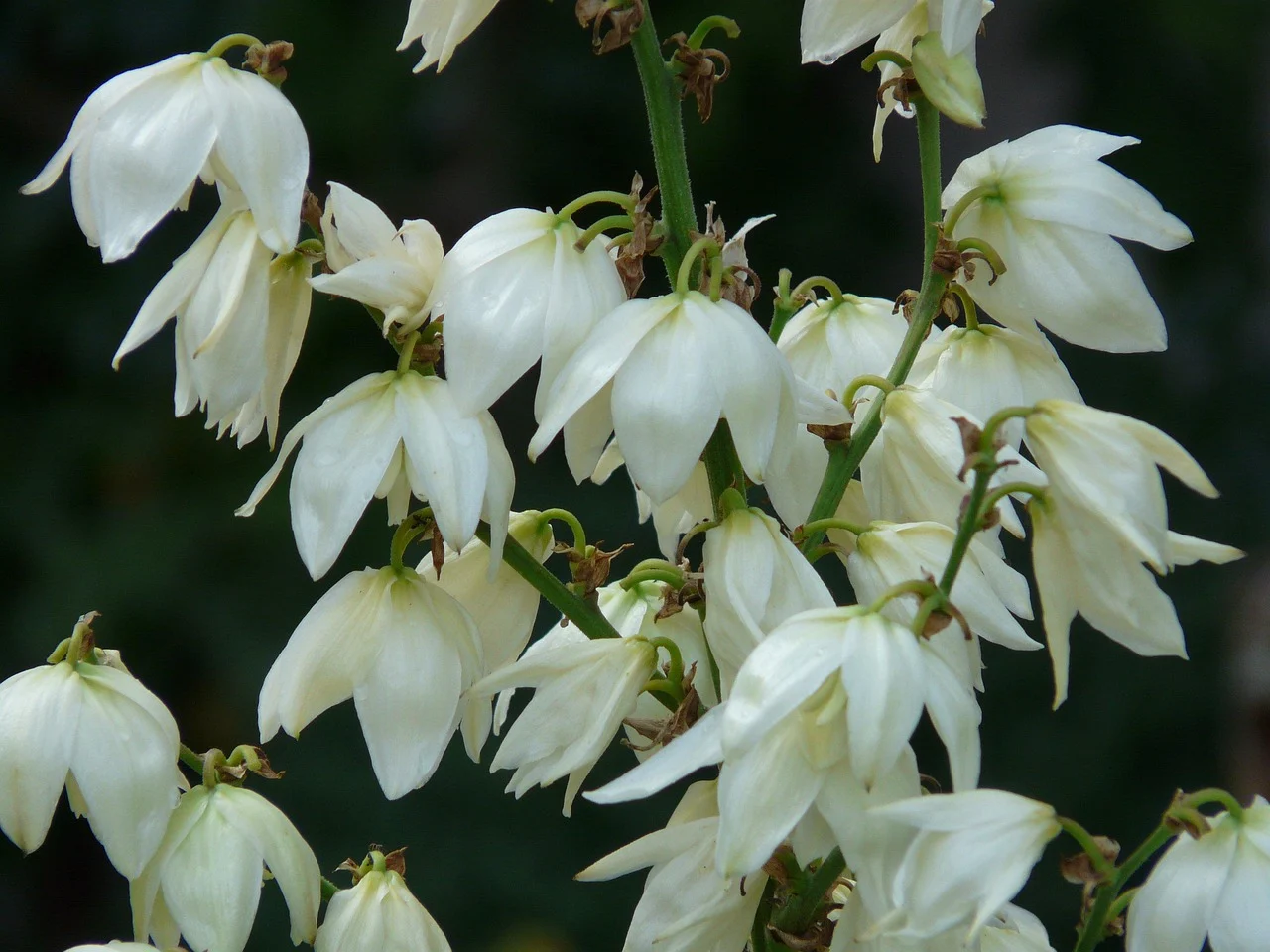
The flowering season typically occurs between June and August. During this time, large clusters of bell-shaped blossoms appear on tall stalks. These structures can reach heights of over three feet above the ground level. Birds and insects visit frequently to pollinate the developing seeds.
Cultural Significance to Native Communities
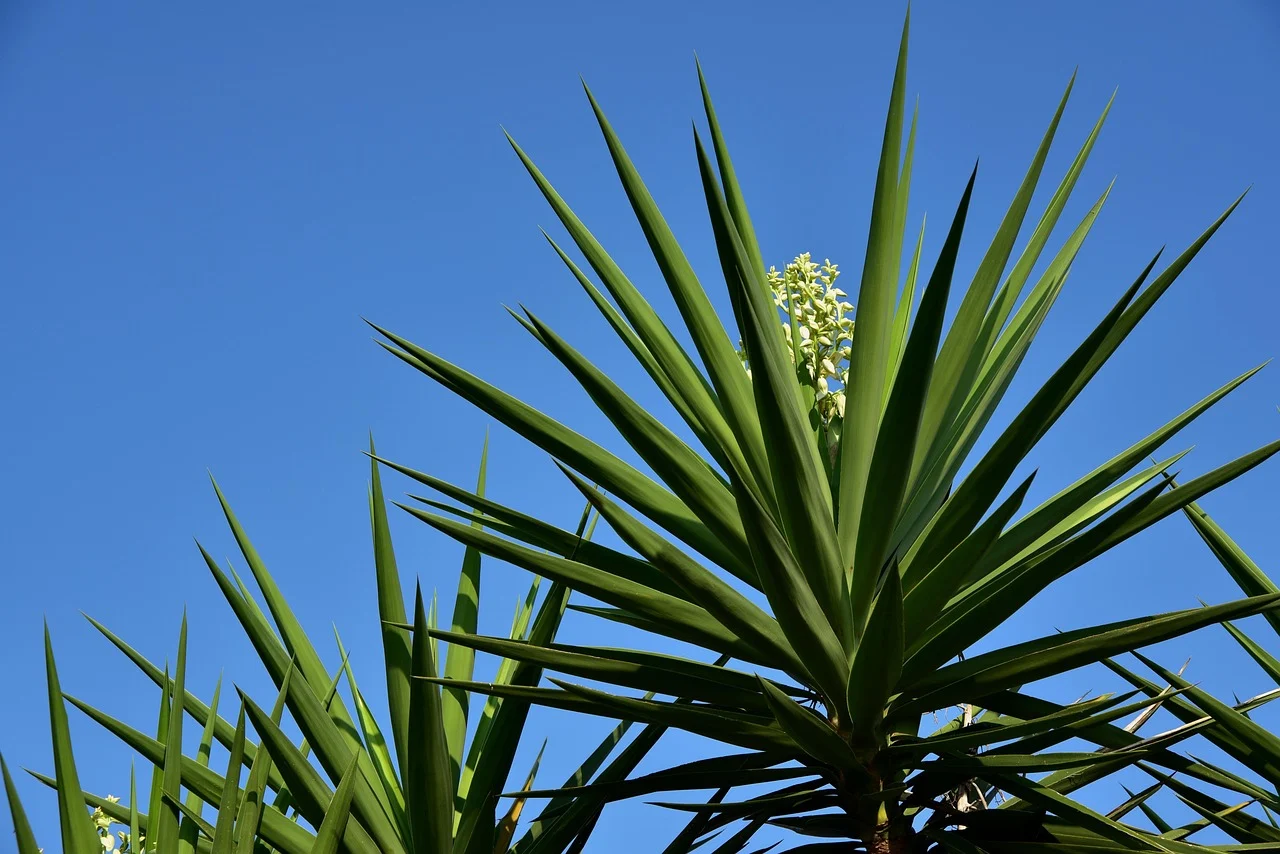
Indigenous groups have utilized parts of this plant for centuries before modern designation. Fibers from the leaves are strong enough to make ropes and baskets. Medicinal properties were also recognized by healers in ancient traditions. This connection adds a layer of historical depth to the botanical identity.
Modern conservationists work to protect wild populations from habitat loss. Urban expansion sometimes threatens the natural ranges where these plants thrive. Maintaining their presence supports biodiversity and preserves ecological balance. Visitors should avoid picking them while traveling through open landscapes.
Cultivating the State Bloom at Home
If you live in a similar climate zone, you might attempt to grow this specimen. It requires minimal maintenance once established in the ground. Watering should be infrequent to mimic natural rainfall patterns. Overwatering can actually lead to root rot and plant death.
Potting mixes need excellent drainage capabilities to prevent water accumulation. Containers should be placed in areas receiving maximum afternoon sun. Pruning is rarely necessary unless dead stems become unsightly. Patience is required as growth rates can vary by season.
Conservation Status and Protection
Currently, the population does not face immediate threats of extinction. However, local variations exist depending on regional protection laws. Some states restrict removing native specimens from public lands entirely. Respecting these rules helps ensure future generations can observe them.
Environmental organizations monitor health trends across different counties annually. Drought cycles occasionally reduce bloom counts significantly in certain years. Climate change poses long-term risks to stable distribution patterns. Monitoring programs help track changes in abundance over time.
Frequently Asked Questions
When was the yucca designated as the state flower?
The yucca was officially designated as the state flower in 1927 by the New Mexico Legislature. This selection process aimed to honor a plant that perfectly represented the arid landscape. It has remained the symbol since that initial adoption without any changes.
What kind of soil does the New Mexico state flower prefer?
This plant thrives best in well-drained sandy or rocky soils common to desert regions. It cannot tolerate heavy clay that retains too much moisture around the roots. Proper drainage is essential for healthy development and successful flowering cycles.
Can you grow the state flower outside of New Mexico?
Yes, you can cultivate it in USDA hardiness zones nine through eleven. Other southwestern states like Arizona or Texas offer suitable climates for growth. Indoor cultivation requires mimicking hot, dry conditions with plenty of light exposure.
How tall does the New Mexico state flower grow?
The flower stalks typically rise between two to five feet in height. The leaves themselves form a basal rosette near the ground level. Mature plants develop thick trunks that support the weight of the blooms.
Are there other plants considered similar to the state flower?
Several yucca species look very similar but belong to different subgroups scientifically. Soapweed is the most distinct variety found throughout the state officially. Other types like Spanish Bayonet differ slightly in leaf shape and texture.
FAQ
When was the yucca designated as the state flower?
The yucca was officially designated as the state flower in 1927 by the New Mexico Legislature. This selection process aimed to honor a plant that perfectly represented the arid landscape. It has remained the symbol since that initial adoption without any changes.
What kind of soil does the New Mexico state flower prefer?
This plant thrives best in well-drained sandy or rocky soils common to desert regions. It cannot tolerate heavy clay that retains too much moisture around the roots. Proper drainage is essential for healthy development and successful flowering cycles.
Can you grow the state flower outside of New Mexico?
Yes, you can cultivate it in USDA hardiness zones nine through eleven. Other southwestern states like Arizona or Texas offer suitable climates for growth. Indoor cultivation requires mimicking hot, dry conditions with plenty of light exposure.
How tall does the New Mexico state flower grow?
The flower stalks typically rise between two to five feet in height. The leaves themselves form a basal rosette near the ground level. Mature plants develop thick trunks that support the weight of the blooms.
Are there other plants considered similar to the state flower?
Several yucca species look very similar but belong to different subgroups scientifically. Soapweed is the most distinct variety found throughout the state officially. Other types like Spanish Bayonet differ slightly in leaf shape and texture.
