
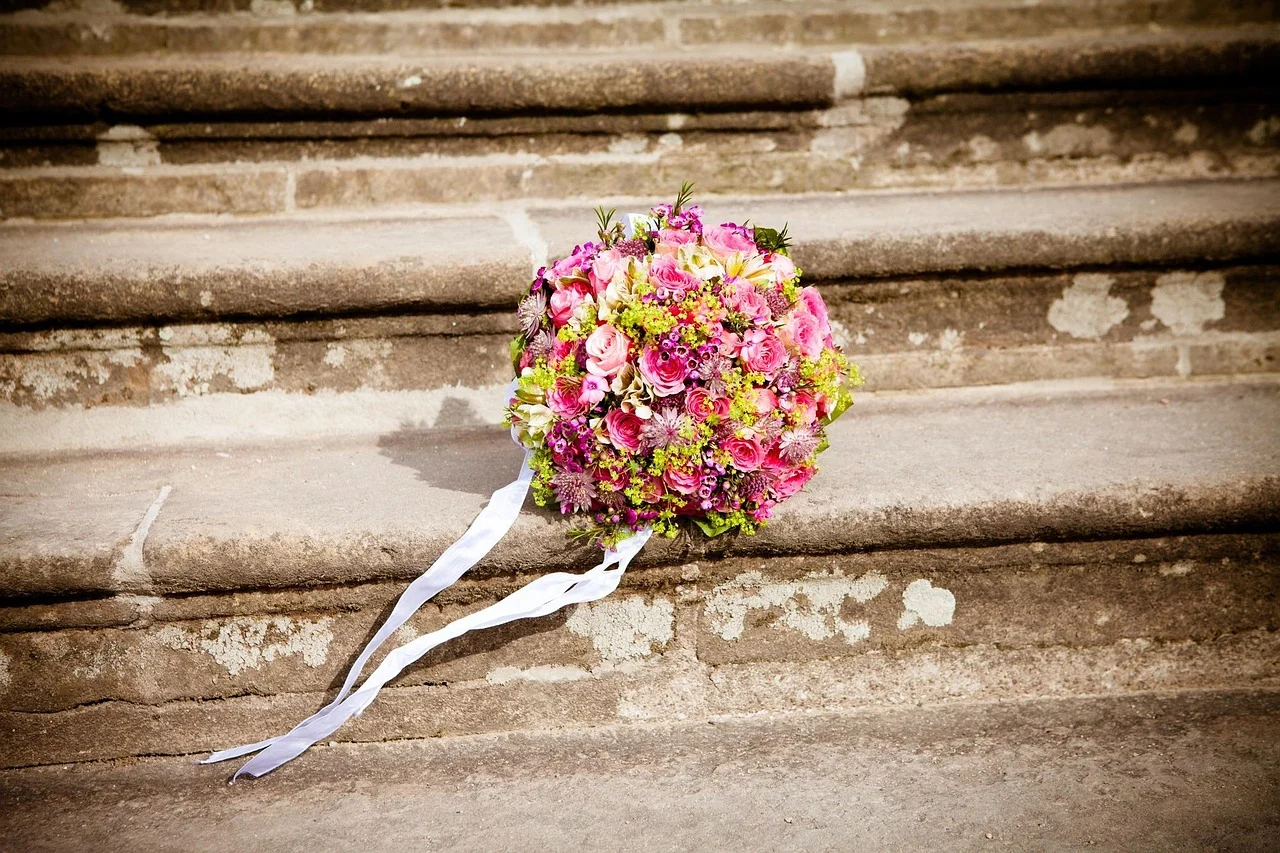
Receiving a handmade arrangement often feels more personal than buying pre-packaged gifts from a store. You might wonder how to make a flower bouquet without professional training or expensive equipment available nearby. Fortunately, creating a beautiful display relies on basic tools and a little bit of patience during the process. With the right approach, anyone can craft something that lasts for several days of enjoyment.
Many people feel intimidated by the complexity of floral design because they assume specialized knowledge is required. However, understanding the flow of stems and leaves makes the entire process much simpler than expected initially. You simply need to focus on balance and stability rather than intricate artistic theories. This confidence allows you to experiment freely with different textures and colors in your home garden.
Understanding the Basics of Floral Arrangement
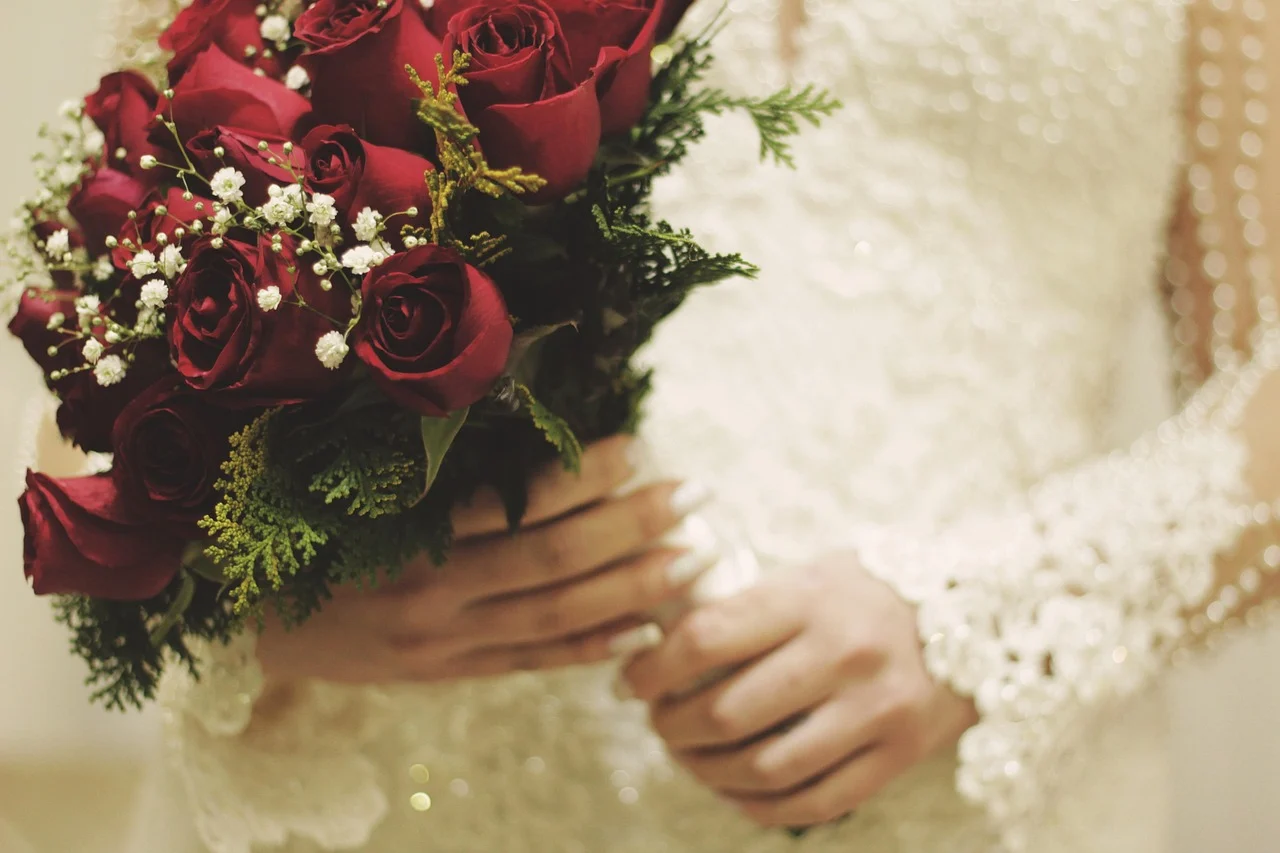
The foundation of any successful presentation lies in selecting high-quality materials from a local source. Freshness determines how long your creation will remain vibrant and appealing to the eyes of viewers. Choose blooms that are fully opened but not yet dropping petals onto the surrounding surface area. This step ensures that the recipient receives a product that looks its absolute best upon arrival.
Water quality plays a significant role in maintaining the structural integrity of each stem over time. Using clean water prevents bacteria growth which can cause premature wilting and unpleasant odors. Change the water daily if you plan to keep the arrangement for more than a few days. These small habits contribute significantly to the overall longevity of your hard work.
Essential Supplies You Need Before Starting
Gathering the right tools before beginning saves time and reduces frustration during the assembly phase. You will need sharp scissors or pruning shears to cut through woody stems cleanly without crushing them. A pair of wire cutters becomes essential when working with thicker branches or heavy foliage types.
Floral tape is necessary to bind the stems together securely at the base of the bundle. Do not use regular duct tape as it leaves sticky residue that is difficult to remove later. Clear floral tape blends in naturally and provides enough friction to hold the arrangement tight. Having these items ready creates a smooth workflow from start to finish.
Some decorators prefer using floral wire for additional support on heavier Flowers like roses or lilies. This extra reinforcement prevents the stems from bending under their own weight while standing upright. It also helps maintain the intended shape of the bouquet throughout the transport process. Investing in these supplies pays off when the final result looks professional and polished.
How to Make a Flower Bouquet Step by Step
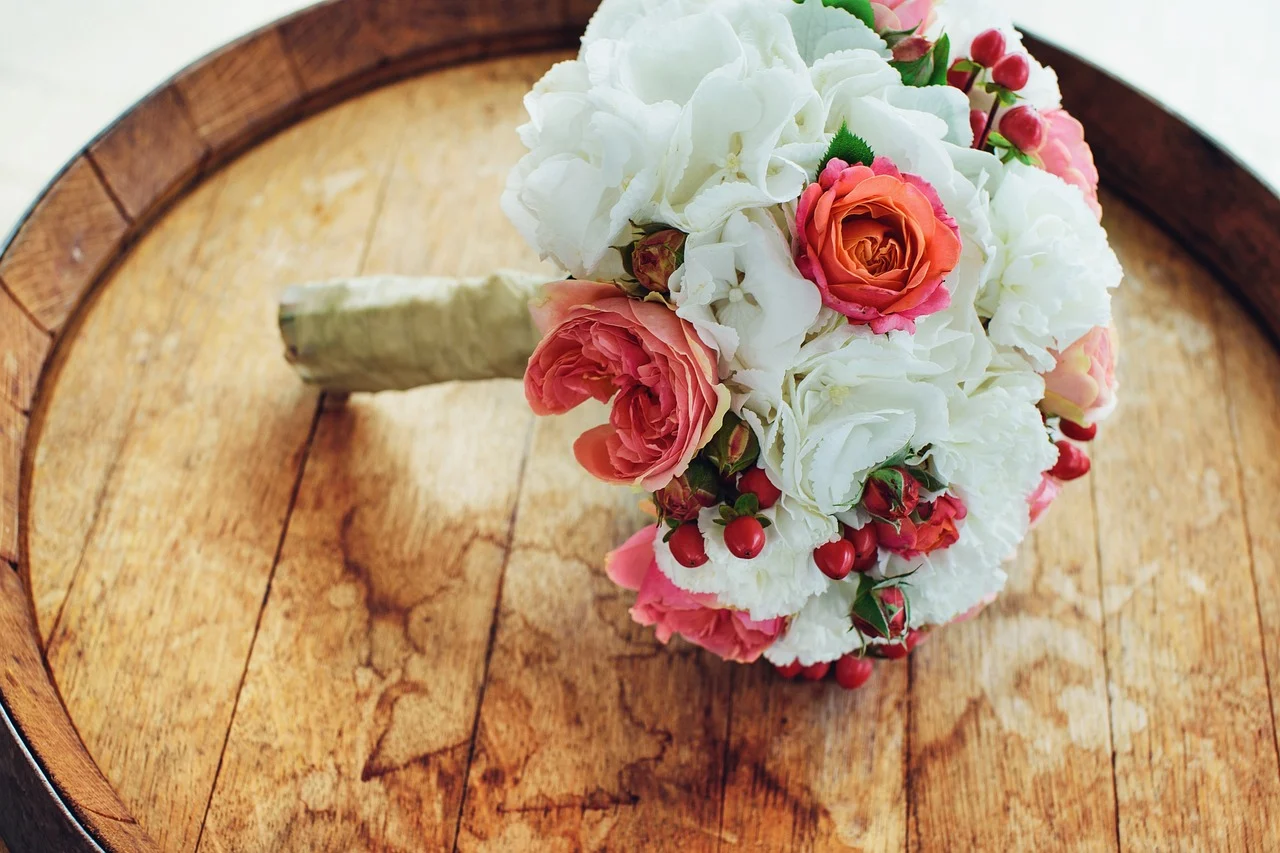
This section details the core actions required to assemble your first professional-looking arrangement from scratch. Following a systematic method ensures consistency and helps you achieve a symmetrical shape quickly.
Selecting the Right Stems
Start by sorting your flowers into three categories based on their visual weight and height potential. Place the largest blooms in the center to act as the focal point for the entire design. Surround these main flowers with medium-sized varieties to create depth and interest around the edges.
Fill in any remaining gaps with greenery or filler flowers that add texture without overwhelming the main subjects. This layering technique mimics natural growth patterns found in meadows and wild gardens alike. It creates a sense of movement and organic flow that static arrangements often lack completely.
Securing the Handle Properly
Hold all the selected stems together firmly in one hand at the desired angle for handling. Twist the bundle slightly clockwise while wrapping the floral tape down the length of the stems. Keep tension consistent to ensure the flowers do not shift position once the tape is removed.
Cover the taped section with a decorative ribbon to hide the mechanics and provide a soft grip. This finishing touch makes the bouquet look complete and ready for gifting immediately. Secure the end of the ribbon with a small dot of glue or another wrap of tape.
According to florists, trimming stems at a 45-degree angle increases water absorption by up to twenty percent. This specific cutting technique allows the plant to drink more efficiently after being placed in water. Always perform this action just before the final assembly to maximize freshness levels. Small adjustments like this make a noticeable difference in the health of the flowers.
Maintaining Longevity After Arranging
Once the construction is finished, proper care instructions determine whether the gift remains fresh for a week or only a day. Place the arrangement in a cool location away from direct sunlight and heating vents. High temperatures accelerate the aging process and cause petals to drop prematurely onto the table surface.
Change the water every two days to prevent bacterial buildup inside the vase or container. Add a teaspoon of sugar or floral preservative to feed the stems and keep them nourished. Avoid placing the bouquet near fruit bowls as ethylene gas accelerates ripening and decay rapidly.
These maintenance steps extend the life of your creation significantly beyond what most people expect initially. Taking care of the arrangement shows thoughtfulness and effort even after the initial presentation is complete. The recipient will appreciate the longevity of the blooms as a lasting memory of your gesture.
Mastering this skill turns simple garden finds into thoughtful presents for friends and family members. Have you tried arranging flowers for a special occasion yet?
FAQ
What is the best way to keep a homemade bouquet fresh?
Keep the bouquet in cool water and change it every other day to prevent bacteria growth. Trim the stems at an angle before placing them in fresh water to improve absorption rates. Avoid placing the arrangement near direct sunlight or heat sources which speed up wilting.
Can I mix dried and fresh flowers in one bouquet?
Yes, mixing dried and fresh flowers creates a unique texture contrast that looks visually interesting. Ensure the fresh flowers are hydrated separately until you are ready to bind them together permanently. Use floral glue to secure dried elements so they do not fall out during handling.
How long does a hand-tied bouquet typically last?
A properly maintained hand-tied bouquet usually lasts between five to seven days depending on the flower type. Roses tend to last longer than tulips which have shorter vase lives generally speaking. Regular water changes help extend the freshness for a few extra days beyond the average timeframe.
