
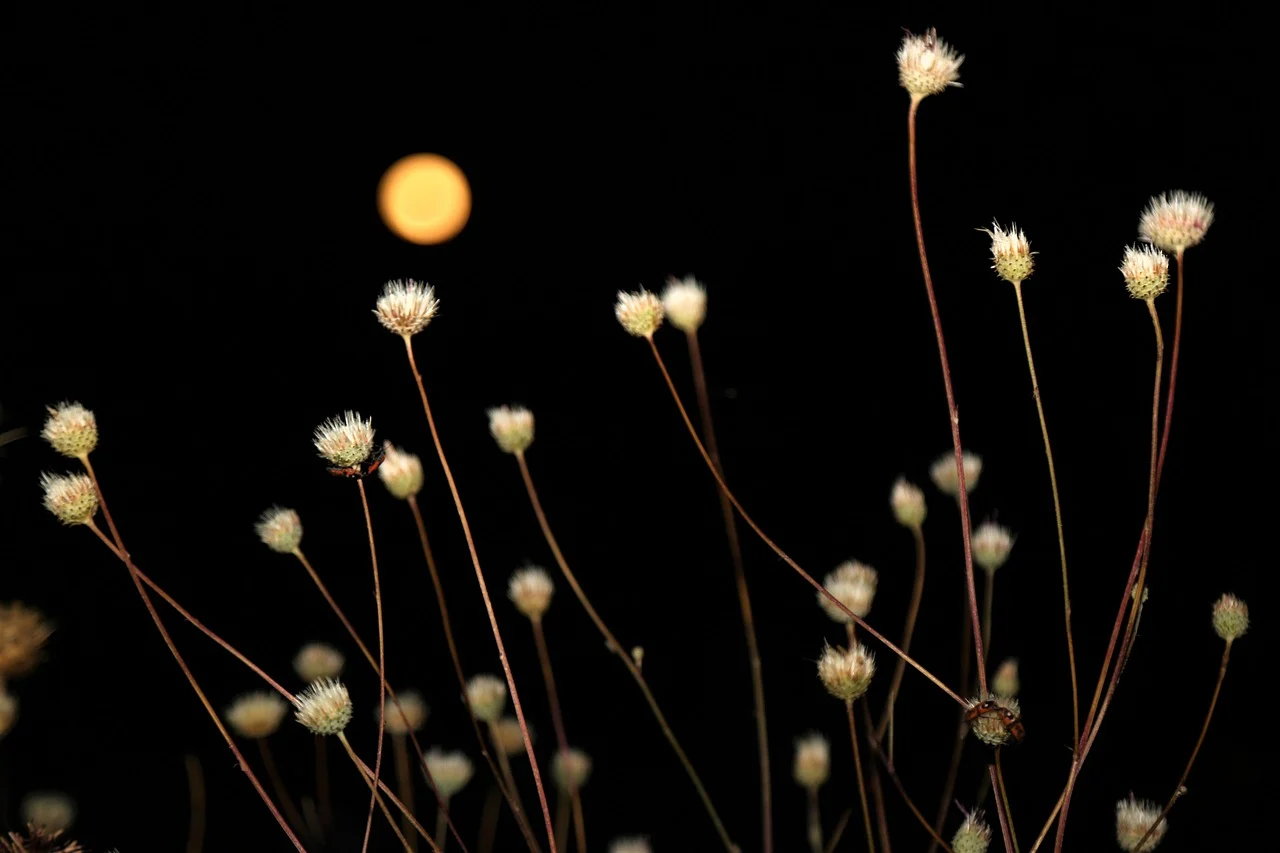
Look up at the night sky tonight and you might see something special. Many people ask what is a flower moon without knowing the answer. Understanding the background helps us appreciate nature better than just staring blankly.
This phenomenon happens annually around late spring. Seasonal changes dictate how we label the phases of our satellite. The moon serves as a constant guide for humanity throughout history.
People often wonder why nature receives such poetic labels for astronomical events. These names connect modern observers to ancient survival techniques used by ancestors.
Recognizing the pattern allows us to feel grounded in our environment today.
What Is A Flower Moon Exactly?
This term refers to the full moon occurring in May each year. Native American tribes traditionally named celestial events after seasonal activities happening nearby. During late spring, plants begin their rapid growth cycle across the continent.
The name reflects how farmers tracked time through biological indicators rather than calendars. Observing the moon helped communities predict weather patterns for upcoming harvests. This connection between earth and sky remains relevant today.
Astronomers categorize these lunar cycles based on orbital mechanics and gravitational pulls. However, cultural significance often outweighs scientific precision in naming conventions. The Flower Moon persists despite modern technological advancements in space tracking.
It signifies a time of renewal and active growth in the natural world. Gardeners prepare beds for vegetables while wildflowers cover the forest floor. This visual shift makes this lunar event easy to identify locally.
Understanding this definition clarifies confusion regarding other monthly lunar titles. Each month carries its own story rooted in regional environmental conditions.
Why Is This Month Named After Flowers?
May brings warm temperatures and consistent rainfall in many regions. These conditions trigger wildflowers to bloom in abundance across North America. Early settlers adopted these indigenous names to mark the changing seasons.
It signifies the end of harsh winter conditions completely. Gardens become vibrant while crops start taking root firmly in soil. The visual shift makes this lunar event easy to identify locally.
Historical records show that Algonquin tribes were among the first to use this terminology. They observed the landscape closely to ensure food security for winter months. Their wisdom informs how we describe the sky now.
Springtime rain supports the germination process for annual plant species. This creates a carpet of color visible from the ground below. The moon rises above this colorful backdrop every single night.
Modern city dwellers may miss this display due to light pollution. Yet the timing remains accurate regardless of where you live geographically.
Regional Variations Exist
Different cultures had unique interpretations of the same sky. Some groups called it the Milk Moon due to cattle calving. Others focused on egg-laying animals preparing for summer nesting.
These variations show how diverse human observation was historically. Yet the Flower Moon name stuck best in popular culture. Modern astronomy still recognizes the traditional designation officially.
Cultural exchange spread these names across borders over centuries. Travelers brought stories back to their homelands during exploration periods. Language evolved but core meanings remained consistent.
Environmental shifts can alter when specific blooms occur naturally. Climate change affects the exact timing of peak flowering seasons globally. The name adapts slowly to reflect these new realities.
Other Names For May’s Full Moon
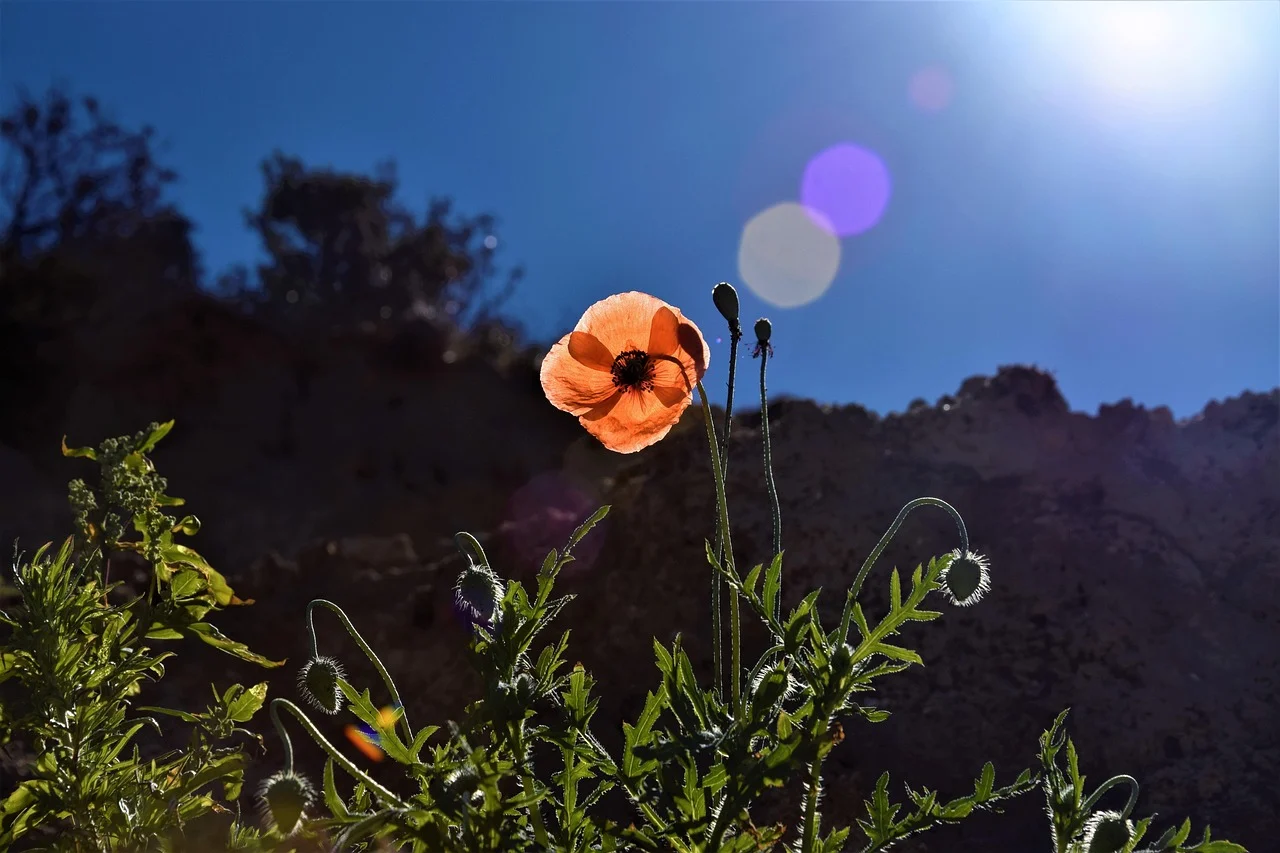
While Flower Moon is common, other titles exist for the same phase. Farmers Almanac lists several alternatives used by various ethnic groups. These names provide insight into local agricultural practices and needs.
The French settlers referred to it as the Rose Moon sometimes. This aligns with the popularity of roses blooming in gardens during this period. Both names celebrate the beauty of spring flora effectively.
Some traditions prioritize animal behavior over plant life for naming purposes. Hatching birds and newborn livestock became central themes for early observers. Animals signaled readiness for warmer weather ahead.
Tracking these moons helped organize labor schedules for farming families. Planting times depended heavily on the visibility of the full moon. Light levels influenced work hours before electric lighting existed.
Today we enjoy the flexibility to choose which name resonates most. Personal preference often dictates usage in casual conversation among friends.
When To View The Flower Moon In 2024
The next occurrence falls on May 23rd this year according to current data. Visibility depends heavily on your local horizon and cloud cover. Clear skies offer the best chance for unobstructed viewing.
You do not need expensive telescopes to enjoy this spectacle. Naked eye observation works perfectly well for most locations. Check local weather forecasts before heading outdoors.
Peak brightness occurs near midnight depending on your time zone. Plan your outing slightly earlier to find a comfortable spot. Bring a chair or blanket for extended comfort during the wait.
Town lights might obscure fainter stars but not the bright moon itself. Finding a park away from street lamps improves contrast significantly. Dark adaptation takes about twenty minutes for your eyes to adjust.
Photographers should bring tripods for steady shots of the lunar surface. Long exposure settings capture details hidden by direct sunlight reflection.
How To Observe Without Special Equipment
Find a dark location away from city lights for optimal contrast. Let your eyes adjust to the darkness for about twenty minutes. Hold your phone camera steady if capturing digital images.
Avoid looking directly into the sun even though it is night. Focus on the lunar surface features visible through binoculars. Share your photos with friends to compare quality.
Nature apps can help identify constellations near the moon path. These tools add educational value to your evening stargazing routine. Learning star names enhances the overall experience significantly.
Bring a friend or family member to share the moment together. Social connection amplifies the joy of watching natural phenomena unfold. Conversations flow easily when observing quiet landscapes at night.
Respect wildlife by keeping noise levels low during your session. Animals are active during twilight hours and react to disturbances. Quiet observation ensures everyone enjoys the peaceful atmosphere fully.
FAQ
Is the Flower Moon visible everywhere in the world?
You can see this moon from anywhere on Earth where it is nighttime. However, weather conditions like heavy clouds or fog may block the view temporarily. Urban areas with high light pollution make the moon appear dimmer than in rural locations.
Does the Flower Moon look different than other full moons?
Physically it appears identical to any other full moon in the sky. The difference lies only in the cultural meaning assigned to that specific month. Your eyes perceive the same round shape regardless of the calendar date.
Why do different cultures have different names for full moons?
Names were created based on local seasonal activities and environmental cues available to each group. Indigenous tribes in North America focused on plants while others watched animals. Global migration spread some names while others remained strictly regional.
