
Many artists feel stuck when trying to capture nature on paper. They often think they need expensive tools or years of training to start. However, the process is actually quite logical once you break it down into geometric forms. You can create something beautiful with just a simple graphite pencil and some patience.
Basic Shapes for Beginners
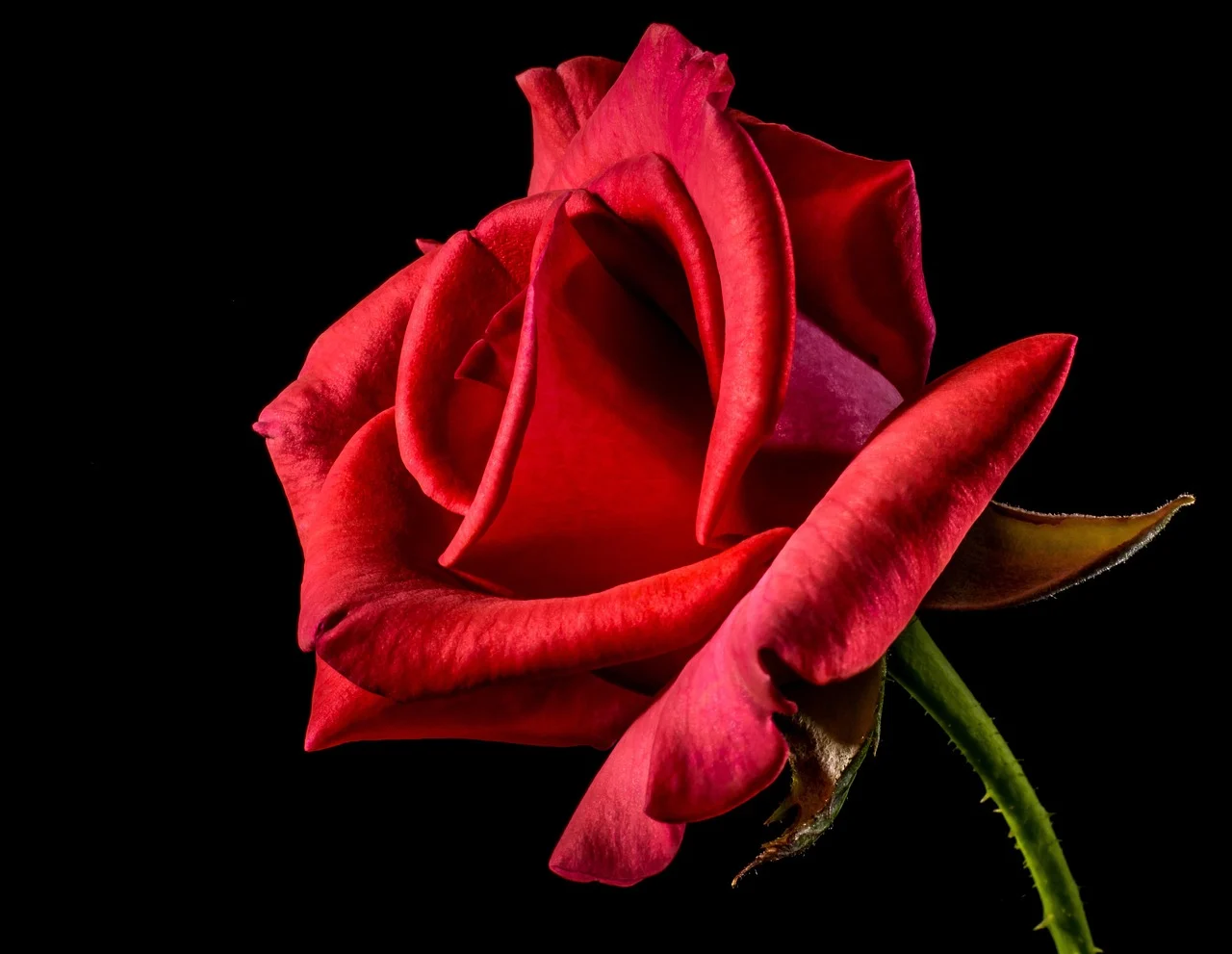
Start with circles and ovals to establish the structure of your subject. These simple forms act as the skeleton for your entire composition. Avoid worrying about perfect symmetry at this early stage.
Once the framework is set, you can connect the shapes smoothly. This method prevents awkward angles from ruining the flow of the design. It builds confidence quickly because the result looks intentional.
How to Draw a Flower Petals Step by Step
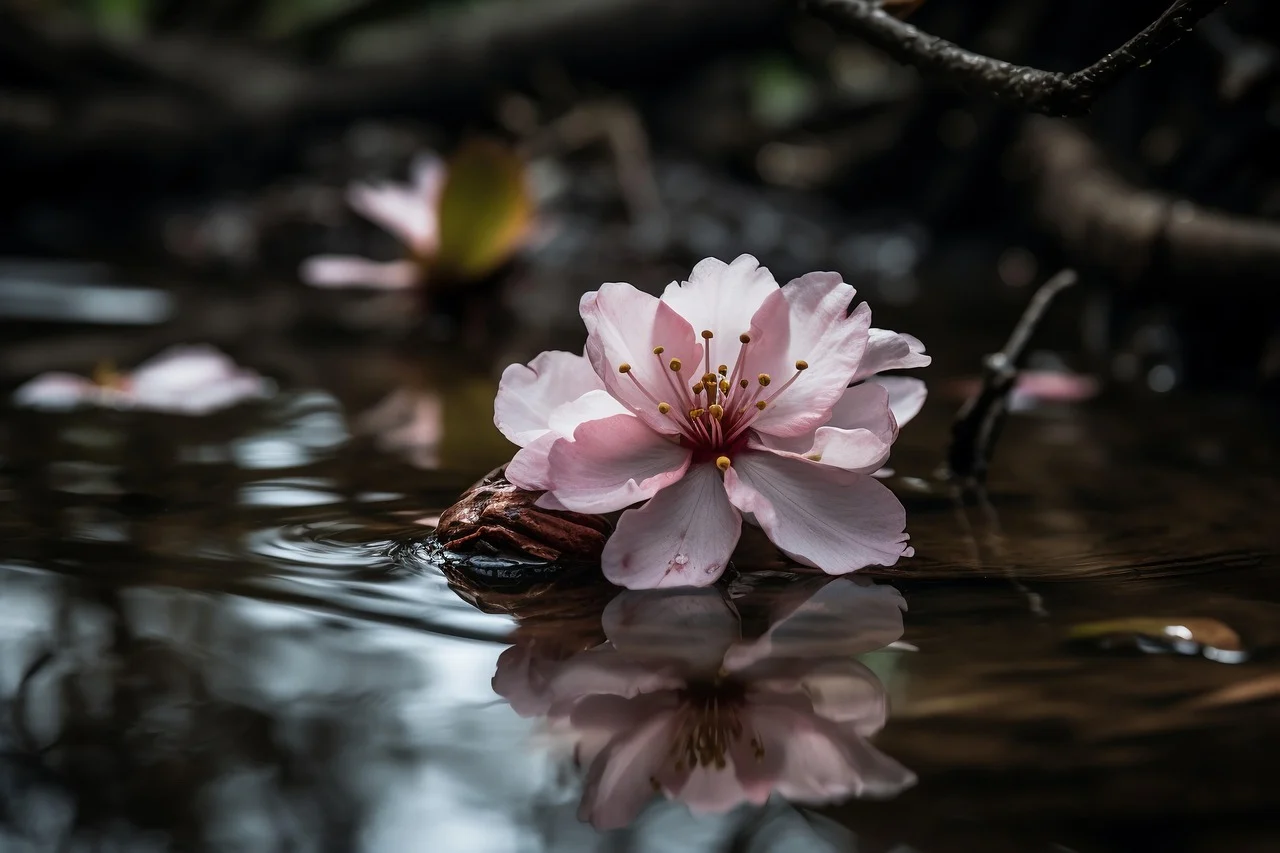
Understanding how to draw a flower petals requires observing their natural curve. Look at real blooms to see how they overlap and bend outward. Replicate this organic movement rather than forcing straight lines.
Draw the outer contour first, then fill in the details later. Use light pressure so you can adjust mistakes easily. Darken the lines only when you are satisfied with the shape.
Common Mistakes When Learning Art
Beginners frequently press too hard with their pencils during the initial phase. This creates deep grooves that cannot be erased cleanly later on. Light strokes allow for flexibility during the sketching process.
Another error involves ignoring the negative space around the main subject. Pay attention to the gaps between leaves and stems as well. These areas define the boundaries of your drawing effectively.
Choosing the Right Tools for Sketching
You do not need professional-grade materials to achieve good results. A standard HB pencil works well for outlining and shading lightly. Heavy erasers can damage delicate paper surfaces if used aggressively.
Pick up textured paper to give your image more character and grip. Smooth surfaces sometimes cause graphite to slide instead of stick. Test different supplies before committing to a final piece.
Practice Exercises for Improvement
Dedicate ten minutes daily to sketching random objects found in your home. Consistency matters more than duration when building muscle memory. Track your progress over several weeks to notice subtle changes.
I have seen students improve significantly by focusing on one technique at a time. Isolate the petal shapes before attempting a full bouquet arrangement. This approach reduces overwhelm and keeps motivation high.
Mastering this skill takes time and consistent effort from your side. Focus on enjoying the process rather than chasing perfection immediately. Try sketching a daisy tomorrow and share your results.
FAQ
What is the easiest flower to draw for a total beginner who wants quick success?
A daisy is generally considered the simplest option because it features symmetrical round petals radiating from a center. You only need to draw a small circle surrounded by several equal ovals to complete the bloom. This basic structure allows you to focus on proportion without dealing with complex leaf arrangements.
How do you make flowers look realistic instead of cartoonish in your sketches?
Realism comes from careful observation of light sources and shadow placement on individual petals. Vary your line weight by using darker tones where petals overlap or curve away from the light. Adding texture through stippling or cross-hatching also helps mimic the organic surface of plant life effectively.
Can beginners learn to draw flowers without taking formal classes or courses?
Yes, self-teaching works well if you dedicate regular time to practicing fundamental shapes daily. Online tutorials provide visual examples that help you understand perspective and layering better than text descriptions alone. Patience and repetition are far more important than expensive instruction books for developing this specific artistic skill.
What pencils should I use for flower drawing to get the best tonal range?
An HB pencil is ideal for initial outlines because it offers moderate hardness without digging into the paper. Switch to a 2B or 4B lead when adding shadows to create contrast and depth within the petals. Using a mechanical pencil ensures consistent line width throughout your detailed work session.
How many layers of shading are needed to create a three-dimensional effect?
Usually, two to three distinct layers of graphite application are sufficient for most botanical illustrations. Start with a very light base coat before gradually darkening the recessed areas near the stem connection. Stop applying pressure once the desired saturation is reached to avoid damaging the paper fibers underneath.
