
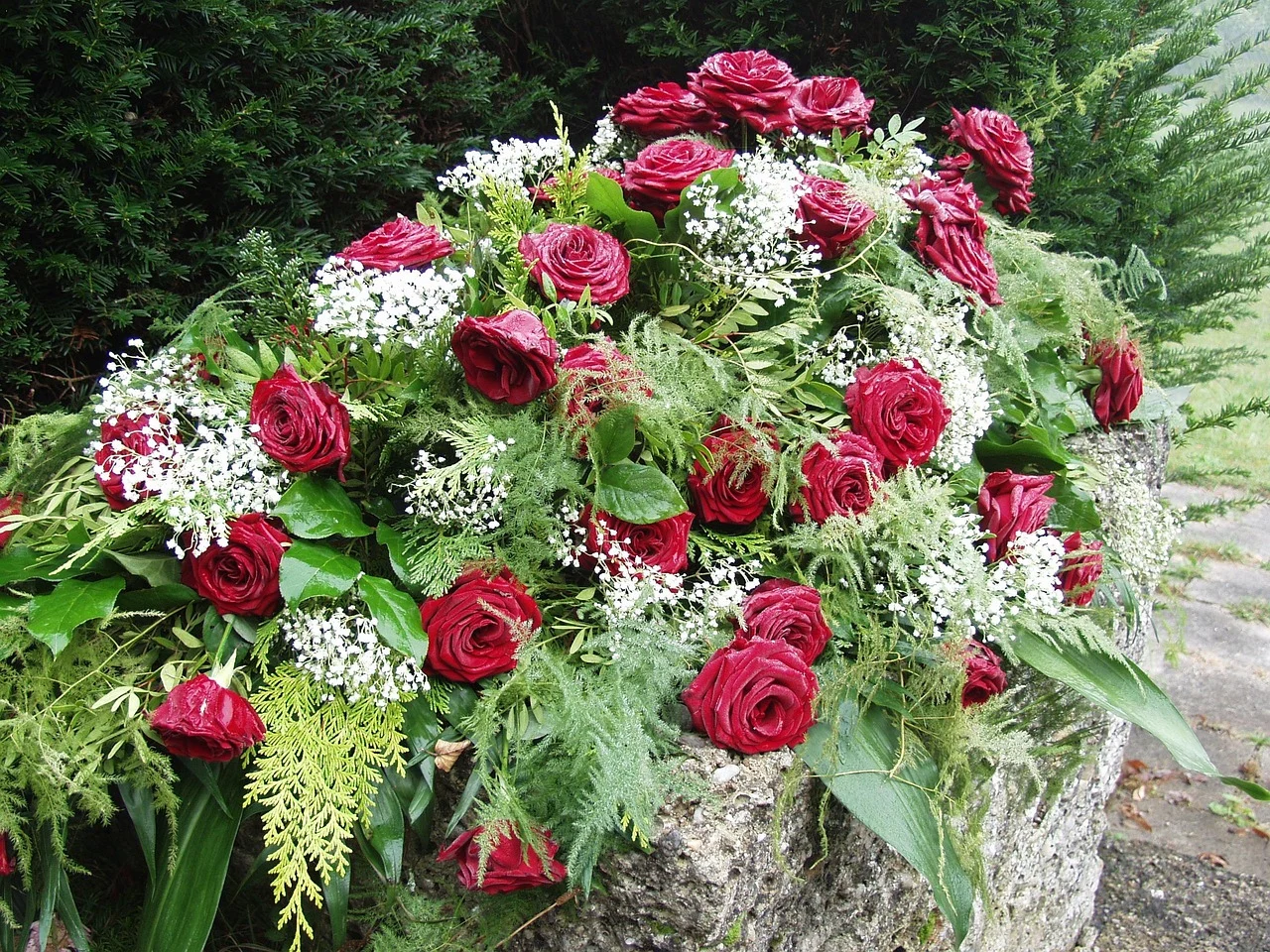
Choosing Flowers for a memorial service can feel overwhelming when you want to honor someone appropriately. Many people search for what flower represents death because they need guidance on appropriate symbolism during difficult times. Understanding these meanings helps ensure your tribute aligns with cultural expectations and expresses genuine respect for the deceased.
Understanding Common Flowers That Represent Loss
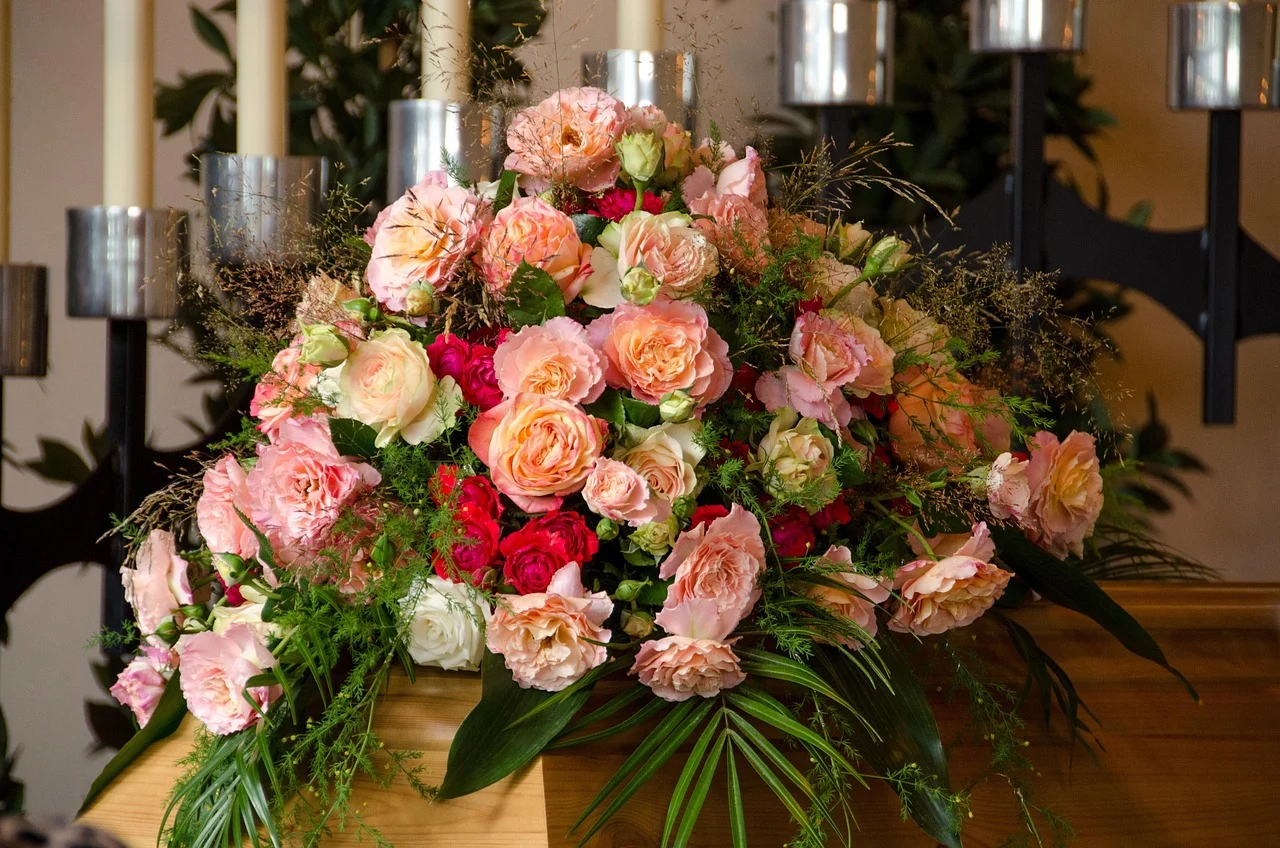
The white chrysanthemum stands out as the primary bloom associated with grief in many Western countries. It is often placed on graves or arranged in bouquets to signify truth and loyalty in memory. This flower conveys a sense of peaceful rest for those who have passed away.
White lilies serve a similar purpose by emphasizing the restored innocence of the soul after life ends. Their strong fragrance adds a layer of sensory comfort to somber spaces filled with grieving relatives. People appreciate how these petals soften the harsh atmosphere of a funeral home setting.
Red carnations are sometimes chosen to show deep affection and admiration for the departed individual. They provide a warm contrast to the usual pale tones found in traditional funeral decor. This choice suggests that the bond between the living and the dead remains unbroken by time.
Gardeners often recommend using fresh stems whenever possible to maintain the dignity of the arrangement. Dried flowers might dry out further during transport and lose their visual impact quickly. Freshness signals care and effort from the sender to the grieving family members.
Some families prefer artificial blooms because they last much longer than fresh cut stems. These permanent displays serve as lasting reminders that do not require constant replacement or water. They function effectively as keepsakes stored in homes after the formal ceremony concludes.
What Flower Represents Death in Different Cultures
Cultural background heavily influences which plants are considered acceptable for mourning rituals globally. In Asia, specific colors like purple or yellow might be preferred over stark white options. You must research local customs before selecting a gift for an international friend.
Chinese traditions favor white and yellow chrysanthemums as symbols of lamentation and sorrow. Conversely, bright colors are generally avoided as they celebrate life rather than mark its end. Misunderstanding these nuances can lead to accidental offense during sensitive conversations.
Mexican culture embraces vibrant marigolds during Day of the Dead celebrations to welcome spirits back. These orange blooms help guide ancestors through the darkness toward the light of reunion. This perspective treats death as a natural cycle rather than a tragic finality.
Japanese funeral services utilize white chrysanthemums extensively due to their association with purity. The strict etiquette surrounding floral offerings ensures that no disrespect is shown to the spirit realm. Following these guidelines demonstrates high regard for the family’s heritage and beliefs.
The Significance of Color in Funeral Flowers

White is universally recognized as the color of peace and spiritual cleansing. It strips away distractions so focus remains solely on the memories shared. This neutrality allows mourners to project their own feelings onto the arrangement.
Pink shades often communicate grace and elegance instead of heavy sorrow. They suggest that the person lived a gentle life worthy of soft remembrance. This option works well for children or young adults whose lives were cut short.
Purple hues denote dignity and respect for the achievements made during a lifetime. Deep violets are suitable for older individuals who commanded authority in their communities. This color choice elevates the status of the departed in the eyes of attendees.
Black roses are rare but carry a powerful message of farewell and goodbye. They represent the end of a chapter and the beginning of eternal silence. Only use them when you know the family appreciates such bold symbolism.
Choosing Appropriate Blooms for Memorials
Consider the personality of the deceased when deciding on the final selection of stems. Did they prefer wildflowers or structured roses for their personal gardens? Matching their taste creates a personalized tribute that feels authentic and sincere.
Budget constraints should not prevent you from sending a meaningful gesture of support. Smaller sprays can look just as dignified as large centerpieces if arranged correctly. Quality of care matters more than the sheer volume of petals displayed publicly.
Consult with a professional florist who understands seasonal availability and delivery logistics. They can advise on which varieties stay fresh longest in refrigerated vans. Expertise ensures your message arrives intact regardless of travel distance involved.
Historical Origins of Mourning Botany
Victorian era codes dictated exactly which plant meant which emotional state during social interactions. Sending a specific bouquet could convey complex messages without speaking a single word aloud. This history still impacts modern etiquette regarding sympathy gifts today.
Ancient civilizations buried warriors with weapons but women with ornate jewelry and flowers. Plants were believed to protect the soul during its journey to the afterlife. Archaeological finds confirm that botanical offerings date back thousands of years ago.
Romans used laurel wreaths to honor heroes while others wore cypress branches for mourning. These materials represented victory over mortality even as humans acknowledged their inevitable fate. The symbolism evolved into the softer floral arrangements seen in contemporary cemeteries.
Caring for Sympathy Arrangements
Proper maintenance extends the lifespan of your tribute significantly beyond the initial ceremony day. Change the water daily and trim the stems at a sharp angle immediately. This routine keeps the flowers looking vibrant for several more days.
Avoid placing bouquets near direct sunlight or heating vents that accelerate wilting processes. Cool environments help preserve cellular structure within the delicate petals naturally. Consistent attention prevents premature drooping that might upset grieving relatives unnecessarily.
If you receive a gift you cannot display, donate it to a hospital or nursing home. Local charities often welcome fresh blooms to brighten rooms for patients recovering from illness. Sharing the beauty honors the donor by spreading kindness to others.
Understanding floral symbolism empowers you to choose the right tribute for any occasion. Your thoughtful selection speaks volumes when words fail during moments of profound grief.
FAQ
Do red roses represent death?
Red roses typically symbolize love and romance rather than death. While some cultures accept them for anniversaries of passing, white or yellow varieties are generally safer choices for expressing sympathy. Using red roses might unintentionally send mixed signals regarding the nature of your relationship with the deceased or their family members.
Can yellow flowers be used for funerals?
Yellow flowers are traditionally linked to friendship and joy in many regions. However, they are widely accepted in Asian funerals where they represent life and longevity. Always verify specific cultural norms before choosing bright yellow blooms for a western-style memorial service to avoid unintended confusion.
Is there a specific flower for suicide bereavement?
There is no single universal bloom designated specifically for suicide loss situations. Blue forget-me-nots are often chosen to encourage remembering the person fondly despite the tragedy. Support groups may suggest calming greens and whites to promote healing and acceptance among survivors.
What does a black rose symbolize in mourning?
Black roses are rare but carry a powerful message of farewell and goodbye. They represent the end of a chapter and the beginning of eternal silence. Only use them when you know the family appreciates such bold symbolism and understands the weight of dark aesthetics.
